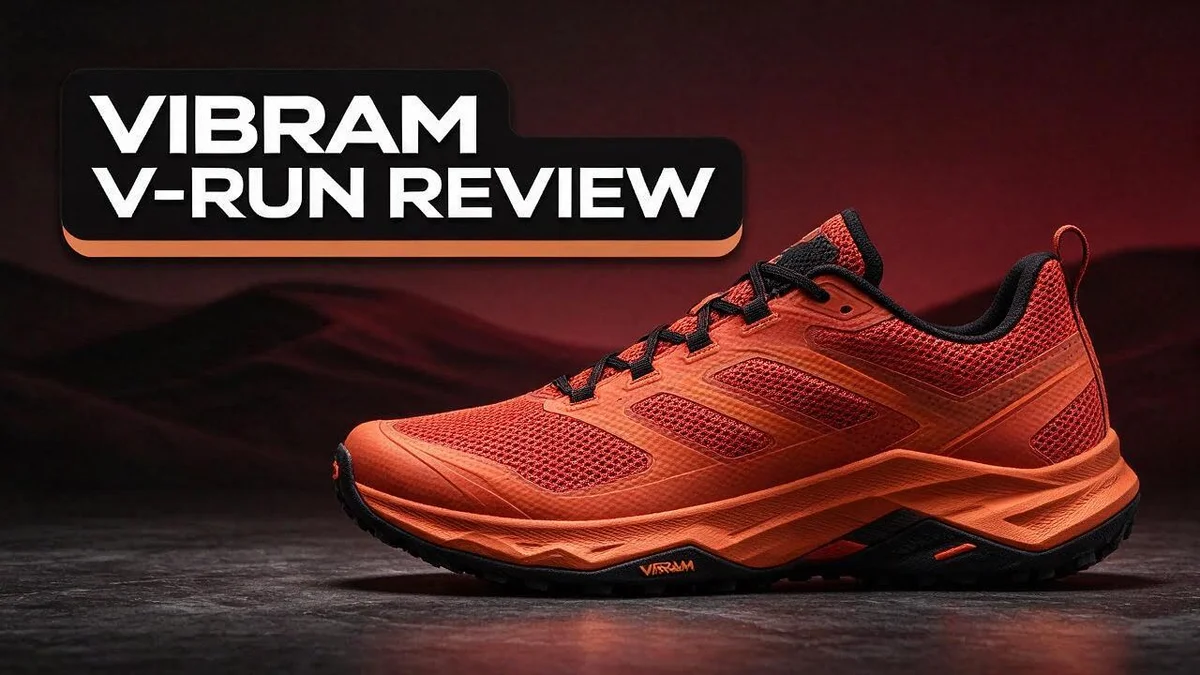
Vibram V-Run Review 2026: Is It Worth Buying?
Are you looking for a running shoe that feels almost like nothing on your feet? The Vibram V-Run could be the answer.
Many runners consider it the most popular FiveFingers model. Vibram says its stretchable upper feels just like skin, and the shoe is built to be featherweight.
A review from RUN FOREFOOT in November 2023 supports some of that buzz. The reviewer praised the strong barefoot feel, comfort that lasts, and durability that surprised them for a barefoot style shoe.
Keep in mind that most of these praises come from Vibram’s own promotional post and one review. Independent testing is still limited, so take the claims with a grain of salt.
In this guide, we break down what the V-Run offers, who it suits, and whether it deserves a spot in your running rotation.
In a Nutshell
- A stretchy upper: The upper fabric stretches with your foot, so the shoe moves with you through every stride and every turn.
- A featherweight build: Very little material sits on your feet, which helps your stride feel light and easy on both short and long runs.
- A true barefoot feel: You sense the ground under each step, so this shoe suits runners who want close contact with the road or trail.
- Comfort that lasts: Reviewers note that the shoe stays comfortable through extended runs, not just the first few minutes of wear.
- Durability you may not expect: For a minimalist design, it holds up better than many people assume, so it can handle regular training.
- Your fit matters most: Because the upper stretches, take time to find the right size and test the feel before committing to a long run.
Keep these points in mind as you decide. Overall, the V-Run offers a light and close feel for runners who enjoy minimal footwear. Try it yourself before you decide.
Upper Fabric and Materials
No products found.
The upper is where the shoe meets your foot. It shapes how the shoe feels from the very first step.
The research does not list the exact fabric blend. We cannot name every material with full certainty. Vibram describes the upper as feeling just like skin, but that claim comes from the brand’s own promotional post.
Still, the idea is clear. A thin, flexible layer lets your foot bend and move freely.
Fit matters more than most shoppers expect. A stretchy fabric can feel loose if your foot is narrow.
Try the shoe on later in the day. Your feet swell a little over time, so this gives a more accurate fit.
Check the toe area next. Each toe pocket should sit snugly without pinching. Your toes need room to spread.


Last update on 2026-04-11 / Affiliate links / Images from Amazon Product Advertising API Some of the links on this website are affiliate links, which means that at no additional cost to you, I earn a commission if you click through and make a purchase. I only recommend products and services that I believe will add value to my readers. Thank you for your support!
Look at the heel and midfoot too. The fabric should hold your foot gently. It should not slide when you walk or jog.
Wear the shoe indoors for a few minutes. Walk, rise onto your toes, and bend your forefoot. Notice any rubbing spots.
Socks change the fit. Some runners wear thin toe socks, while others go barefoot. Test both ways before you decide.
Small details tell you a lot about comfort. Seams, stitching, and the inner lining can cause hot spots. Run your fingers along the inside before you buy.
Final check: does it feel right? If the upper feels smooth and secure, it likely suits your running style.


Last update on 2026-04-11 / Affiliate links / Images from Amazon Product Advertising API Some of the links on this website are affiliate links, which means that at no additional cost to you, I earn a commission if you click through and make a purchase. I only recommend products and services that I believe will add value to my readers. Thank you for your support!
Consider where you run most often. Smooth roads place different demands on the upper than rough trails do. Notice how the fabric handles both surfaces.
Keep the Vibram claims in perspective. Use your own trial run as the final judge. Your feet know best.
Barefoot Feel and Ground Feedback
Ground feedback is one of the first things runners notice in the Vibram V-Run. Every step tells your foot what the surface feels like. You may sense small stones, grass, or wet pavement right away.
This feedback can change how you run. Many runners find they pay closer attention to their form. Your feet begin to work with the ground instead of against it.
Some runners enjoy this sharp connection. Others may find it too intense on long, rough routes. Your comfort with close contact matters most.
Think about where you run most often. Paved paths, trails, and tracks all send different signals. A shoe that feels great on a smooth track may feel busy on rocky trails.
The research does not test the V-Run on gravel, mud, or hills. That gap matters for trail runners. Try a short run on your usual surface before committing to longer distances.
Sensation also tells you when something feels wrong. Sharp pain or a bruised feeling is a clear signal to stop. Let your feet guide your next steps, and build up slowly.
Your calves and ankles may feel the change first. Give them time to adapt before you add mileage. This slow approach helps you enjoy the ground feel without strain.
Think of the shoe as a tool for learning. Many runners use it for shorter sessions first. They build strength in small muscles that stabilize each step.
Short sessions give your body time to adjust. Pay attention to how your feet feel afterward. A little soreness is normal, but sharp discomfort is not.
Surface changes can also test your balance. Quick turns on wet leaves or loose dirt ask more from your feet. Slow down when conditions shift.
Finally, enjoy the simple pleasure of feeling the road. Many runners enjoy that feeling on every route. Your own experience will tell you the most.
Weight and Ride Comfort
Weight is often the first thing runners notice. Vibram calls the V-Run featherweight. That label comes from the brand’s own promotional post, so treat it as a claim, not a measured fact.
Lighter shoes often feel easier on tired legs. Some runners also report a quicker step rate in light shoes. The research does not list an exact weight, so you need to check that yourself.
Ride comfort depends on more than weight alone. The way a shoe handles each step changes how your run feels. A light shoe with a firm feel may suit runners who want a direct connection to the road.
Some runners want more padding on hard pavement. Others enjoy a quick, responsive ride. Think about which style matches your usual run.
Try a simple home test first. Hold the shoe in your hand and compare it with your current pair. Then walk around the house for five minutes. Notice whether your feet feel light or weighed down.
If you own a kitchen scale, weigh both pairs. Write down the numbers so you can compare them later. This small step gives you facts instead of guesses.
Think about your running goals too. A lightweight shoe can feel fun during speed work or short easy runs. Longer training days may call for a different feel, depending on your body and the surface you choose.
Ride comfort also changes with pace. Faster efforts often feel more natural in a light shoe. Slower miles may feel better with extra cushioning for some runners, so pay attention to how your legs respond.
Keep the source in mind. Most of the praise for weight and ride comes from Vibram and one reviewer. Independent testing would give a clearer picture. Until then, your own short test runs matter most.
Top 3 Alternatives
Looking for a different minimalist shoe? These three options give you a similar feel. Each one suits a different kind of runner.
Altra Torin

- Go Further: Our original Altra EGO foam is designed to provide added energy return and a responsive...
- To The MAX: Our Altra EGO MAX midsole foam gives you all the light and luxurious performance with a...
- Get Comfortable: Signature Altra Balanced Cushioning and FootShape toe boxes allow your toes to...
Last update on 2026-10-28 / Affiliate links / Images from Amazon Product Advertising API Some of the links on this website are affiliate links, which means that at no additional cost to you, I earn a commission if you click through and make a purchase. I only recommend products and services that I believe will add value to my readers. Thank you for your support!
The Altra Torin offers a wide toe box. Your toes can spread out with every step. It also uses a zero drop design, so your heel and forefoot sit level. This shoe works well for runners who want some cushion without losing a natural stride.
Best for: road runners who want extra padding.
Merrell Vapor Glove

- 100% recycled breathable mesh upper
- 100% recycled breathable mesh lining
- Merrell Barefoot 2 construction is designed to keep the foot in a natural position
Last update on 2026-10-28 / Affiliate links / Images from Amazon Product Advertising API Some of the links on this website are affiliate links, which means that at no additional cost to you, I earn a commission if you click through and make a purchase. I only recommend products and services that I believe will add value to my readers. Thank you for your support!
The Merrell Vapor Glove feels very close to bare feet. It has a thin sole and a snug, flexible fit. Many runners enjoy its light weight on fast days. Its low cushion asks your feet and calves to work harder, so build up your mileage slowly.
Best for: runners who want a close to the ground feel.
Xero Shoes HFS
No products found.
The Xero Shoes HFS keeps things simple. It has a thin, flexible sole and a roomy front. The upper feels soft and breathable. Many people use it for daily walks, gym sessions, and easy runs.
Best for: casual users who want an everyday minimalist shoe.
Pick the shoe that fits your foot shape and training goals. Try each pair on if you can. Your comfort matters most.
Fit and Sizing
Getting the right size starts with your own feet. Measure both feet, because one foot is often slightly longer. Always use the larger foot as your guide.
Stand on a sheet of paper and trace your foot. Mark the longest toe and the widest part. Keep this outline nearby when you compare sizes.
Your current running shoe gives you a useful starting point. Compare its length with your tracing. Then decide whether you want the same fit or a little more room.
Remember that the V-Run is a barefoot-style shoe. Shoes like this do not hide a poor fit. Your foot sits close to the ground, so a loose shoe can shift and cause friction.
Check the return policy before you order. Find out how many days you have to test the shoe outdoors. Many runners need several trial walks before they feel sure.
After your first short run, look closely at your skin. Redness or rubbing means something needs adjusting. Note exactly where it happens, so you can judge the next pair more easily.
Think about your foot shape, too. Some people have a wide forefoot and a narrow heel. Others have high arches or flat feet. The research does not explain how the V-Run suits each shape, so test it yourself.
Keep your expectations realistic. A good fit feels comfortable, not perfect, during the first few minutes. Your feet need time to adapt to a new feel underneath them.
Take notes after each session. Write down how the shoe felt on walks, short runs, and longer outings. Patterns in your notes will show you whether the fit truly works for you.
Durability and Wear
Durability matters for every runner. A shoe that wears out fast forces you to replace it sooner than planned. The research offers one useful clue here.
The RUN FOREFOOT review from November 2023 called the durability surprising for a barefoot style shoe. That reviewer expected less from a thin design. Still, one review cannot show how the shoe holds up over hundreds of miles.
Check the sole first. Look at the forefoot and the outer edge every few weeks. Note any smooth patches or thin spots.
Strong feel can fade as the sole wears down. If the ground suddenly feels different on your usual route, the sole may be changing.
Look at the upper too. The upper uses stretchable fabric. Check the seams and the toe area for small tears or loose threads.
Stretch fabric can sag over time. Press the sides gently and see if they bounce back.
Track your miles. Keep a simple log with the date and distance for each run. Many runners replace shoes based on a rough mileage number. A log gives you a clearer picture than guessing.
Rotating two pairs can help. Each shoe gets time to dry out between runs. Moisture can break down materials faster, so air out wet shoes after each session.
Storage matters too. Keep the shoes away from direct heat, such as a hot car. Heat can soften glue and weaken the upper.
Remember the source. Vibram promotes its own shoe, and the durability praise comes from a single review. Treat these claims as a starting point, not a promise.
Your own wear checks will tell you the real story over time.
Pros and Cons
Pros
- Vibram says the V-Run is the most popular FiveFingers model among runners.
- The stretchable upper feels like skin, according to Vibram.
- A RUN FOREFOOT review from November 2023 found a strong barefoot feel.
- The same review says the comfort lasts through the run.
- The featherweight build keeps the shoe light on your feet.
Cons
- The research does not list specs like drop or cushioning.
- No head to head comparison with rival models is available.
- The research shows no independent testing of the shoe.
- The research lists no cons, so weigh the praise with care.
Who Should Buy It
Who will love the Vibram V-Run? Runners who enjoy feeling the ground up close often find this shoe a natural fit. If you like a light, direct connection with the path, this model suits you well.
Think about your running goals first. Short daily runs, quick park loops, and easy weekend jogs suit this shoe best. Long, high mileage training blocks ask more from your body, so plan those carefully.
Experienced runners who already train in minimal footwear may adjust quickly. Beginners can also try it, but they should start slowly. Let your legs and feet adapt over several weeks instead of jumping straight into long distances.
Runners with strong feet and calves tend to adapt faster. Their muscles already handle the extra work that a thin sole asks for. Those who feel weak in the lower legs should build strength first with simple calf raises.
Your running surface matters too. Smooth roads, tracks, and trail paths suit a light shoe well. Rough terrain with sharp rocks or wet roots asks for more protection, so choose another pair for those routes.
Some runners should pause before buying. People with recent foot or ankle injuries should talk with a doctor or physical therapist first. A quick check with a professional can save months of frustration.
Gym lovers who mix running with lifting or cross training may also like this shoe. Its light build makes quick changes of direction feel easy. Many people who enjoy sprints, agility drills, or bodyweight workouts find that the shoe keeps up with them.
Keep your goals clear before you commit. A clear goal helps you judge whether the shoe delivers what you want.
Finally, think about how you like to shop. Some buyers prefer to try shoes in a store. Others feel fine ordering online. Choose the option that gives you the most confidence in your decision.
Final Verdict
The Vibram V-Run earns a cautious thumbs up. It offers a strong barefoot feel, and early praise points to comfort and durability. Still, most of that proof comes from the maker and a single review.
Think of this verdict as a starting point. Your own runs will write the final story. A shoe that feels great on day one still needs a close look after many miles.
Try the fit before you run. Stand in the shoes for several minutes. Walk up and down the stairs. Notice any rubbing at the toes or heel. Your feet should feel free, not squeezed.
Start slowly. Use the shoes for short runs first. Build up distance over several weeks. This gives your feet, calves, and tendons time to adapt. Rushing is one of the most common mistakes new minimal shoe runners make.
Ask yourself a simple question. Do you enjoy feeling the ground under your feet? If the answer is yes, the V-Run may suit your style. If you prefer thick cushioning, a different option may serve you better.
Read more reviews before you commit. Look for independent testers who run longer distances. Compare notes on sizing and sole wear. A wider mix of voices gives a clearer picture than one review alone.
Check the return policy. Good return rules let you test the shoe with less risk. Wear the shoes indoors first. Then take a short walk outside. Keep the tags and box until you feel sure.
In short, the V-Run suits curious runners who want a light, close to the ground feel. Go in with clear goals, honest expectations, and a plan to track your wear. Then decide with confidence.
Frequently Asked Questions
Can beginners wear the V-Run?
Beginners can try it, but they need patience. Minimal shoes ask your feet and calves to work harder. Build up slowly over several weeks.
Should I wear socks with these shoes?
Many runners wear thin toe socks, while others go sockless. Pick a sock that fits the toe pockets without bunching. Check how your feet feel after each run.
What should I expect in the first few weeks?
Your calves may feel tired or sore at first. This is normal when your feet adapt. Rest a day between runs, and stop if you feel sharp pain.
Can I wear the V-Run for walking or errands?
Yes, many people wear minimal shoes for daily walks. The light build helps on long days on your feet. Make sure the fit stays snug without pinching.
How do I care for them after a run?
Rinse off dirt and mud after each session. Let them air dry away from direct heat. Check the care label before you put them in a washing machine.

Mia Smith is the founder of Shoe Storyteller, a blog that celebrates the art and stories behind shoes. With a passion for fashion and a flair for storytelling, Mia brings a unique perspective to the world of footwear.