Asics Novablast 3 Vs Novablast 4: Which One Should You Choose?
You're in the market for a new pair of running shoes, and Asics' Novablast series has caught your eye. But which one is right for you – the Novablast 3 or the Novablast 4? Both models promise a comfortable ride, but they differ in key ways. The Novablast 3 is known for its soft midsole and substantial mesh, making it a great choice for paved roads. The Novablast 4, on the other hand, boasts advanced cushioning technology and a lighter, more breathable upper. So, what's your priority? Do you crave comfort or speed? The answer will lead you to the perfect shoe – but first, let's break down the details.
Key Takeaways
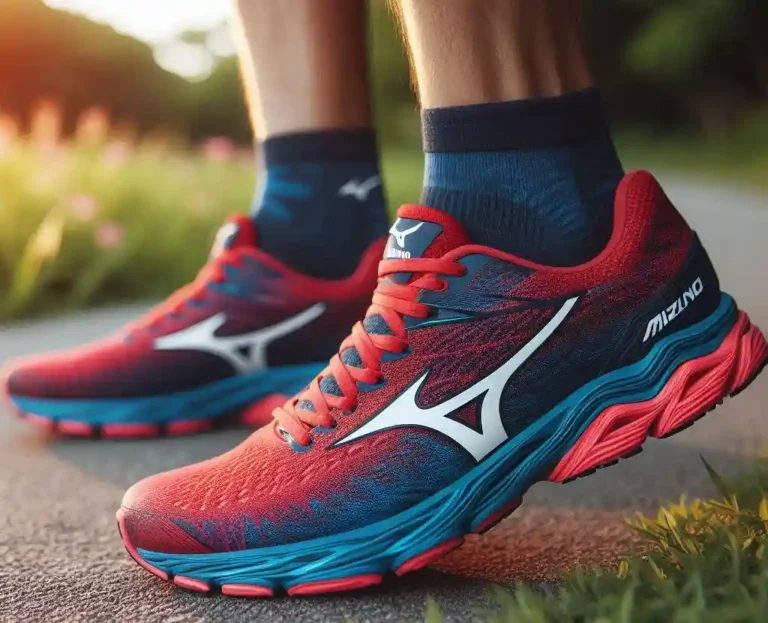
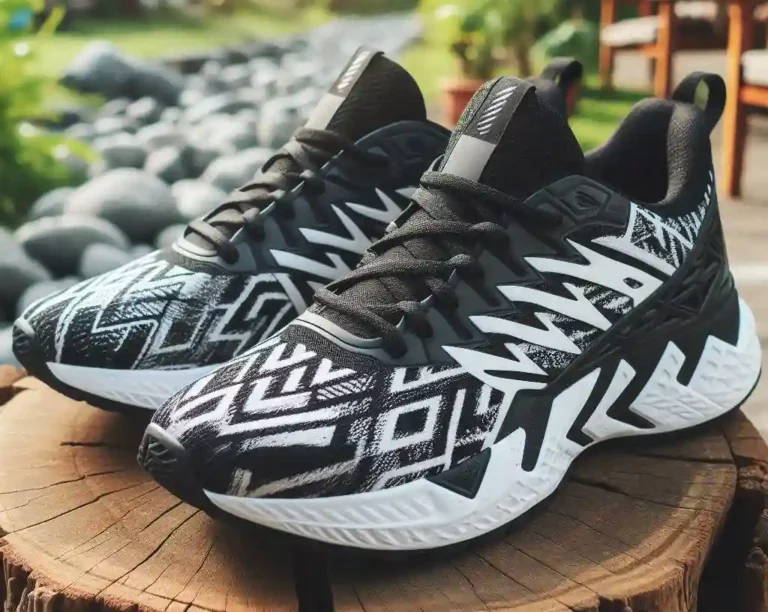
- Novablast 3 features a more subdued color palette, while Novablast 4 boasts bolder, brighter colors, including electric blue and neon green.
- Novablast 3 has a denser mesh for a more secure fit, whereas Novablast 4's lighter mesh prioritizes freedom of movement and breathability.
- Novablast 4's FF BLAST PLUS cushioning unit provides enhanced compression and rebound, making it ideal for a more dynamic feel underfoot.
- The Novablast 3 is slightly heavier and more suitable for responsive training, while the Novablast 4 is lighter and ideal for lightweight racing.
Design and Aesthetic Differences
When comparing the Asics Novablast 3 and Novablast 4, you'll notice distinct design and aesthetic differences, starting with the upper material.
The Novablast 3 features a more subdued color palette with darker tones, while the Novablast 4 boasts bolder, brighter colors.
You'll find more vibrant options in the Novablast 4, such as electric blue and neon green, which can add to its visual appeal.
In contrast, the Novablast 3's more muted tones may appeal to those who prefer a more understated look.
The Novablast 4's color options are more extensive, offering a wider range of choices to suit individual tastes.
Upper Material and Construction
The Novablast 3 and Novablast 4 differ substantially in their upper material and construction, with the former featuring a more substantial and denser mesh compared to the latter's lighter, more breathable one.
The Novablast 3's denser mesh provides a more secure fit, but it may feel slightly more constricting.
On the other hand, the Novablast 4's soft mesh and strategically placed ventilation zones offer excellent airflow and a more liberating feel.
If you prioritize freedom of movement and breathability, the Novablast 4 might be the better choice.
However, if you prefer a more snug and secure fit, the Novablast 3's upper material and construction might be more appealing to you.
Midsole and Cushioning Systems
The Novablast 3 and Novablast 4 employ distinct midsole and cushioning systems, with the former featuring a FF BLAST cushioning unit that provides a more substantial and responsive ride, while the latter incorporates a FF BLAST PLUS unit that offers enhanced compression and rebound.
You'll notice a difference in the cushioning technology, as the FF BLAST PLUS in the Novablast 4 provides a more dynamic feel underfoot.


Last update on 2026-04-11 / Affiliate links / Images from Amazon Product Advertising API Some of the links on this website are affiliate links, which means that at no additional cost to you, I earn a commission if you click through and make a purchase. I only recommend products and services that I believe will add value to my readers. Thank you for your support!
The midsole design of the Novablast 4 is also more nuanced, with a greater emphasis on flexibility and adaptability.
This results in a more comfortable and efficient stride, allowing you to move freely and naturally.
Ultimately, the choice between these two shoes will depend on your personal preferences and running style, so it's crucial to weigh your options and test them out before making a decision.
Outsole Durability and Traction
Your footstrike ignites a battle between grip and ground, and the outsole durability and traction of the Novablast 3 and Novablast 4 are designed to give you the upper hand.
When you hit the pavement, you need a shoe that can handle the impact and keep you moving forward. Both models feature a durable outsole that's built to last, with unique wear patterns that adapt to your running style.


Last update on 2026-04-11 / Affiliate links / Images from Amazon Product Advertising API Some of the links on this website are affiliate links, which means that at no additional cost to you, I earn a commission if you click through and make a purchase. I only recommend products and services that I believe will add value to my readers. Thank you for your support!
The Novablast 3 has a more aggressive tread pattern, providing better grip on wet and slippery surfaces.
The Novablast 4 features a more subtle tread, ideal for dry and smooth roads.
Both shoes exhibit excellent surface adaptability, adjusting to changing terrain with ease.
The Novablast 4's outsole is slightly more flexible, allowing for a more natural stride.
Weight and Responsiveness Compared
Stepping into either the Novablast 3 or Novablast 4, you're met with a distinct weight and responsiveness profile that can substantially impact your running experience.
The Novablast 3 is slightly heavier, weighing in at 8.8 oz for men and 7.4 oz for women, making it more suitable for responsive training.
In contrast, the Novablast 4 is markedly lighter, with a weight of 7.9 oz for men and 6.9 oz for women, making it ideal for lightweight racing.
The Novablast 4's reduced weight is due to its revised midsole and outsole design, which also contributes to its improved responsiveness.
If you prioritize speed and agility, the Novablast 4 might be the better choice.
However, if you prefer a more substantial, responsive ride for training, the Novablast 3 could be the way to go.
Heel-To-Toe Offset and Drop
You'll find a notable difference in heel-to-toe offset and drop between the Novablast 3 and Novablast 4, with the latter featuring a more aggressive 5mm drop compared to the former's 8mm drop.
This significant reduction in drop will appeal to runners who prefer a more natural stride, allowing for a smoother shift from heel striking to midfoot or forefoot striking.
When it comes to offset preferences, consider the following factors:
- A lower heel-to-toe offset, like the Novablast 4, encourages a more midfoot or forefoot strike, which can help reduce the risk of heel striking-related injuries.
- A higher heel-to-toe offset, like the Novablast 3, may be more suitable for runners who naturally heel strike or need more support.
- The Novablast 4's lower drop may also promote a more efficient running form and improve your overall running experience.
Support and Stability Features
Both the Novablast 3 and Novablast 4 incorporate a range of support and stability features, although the latter's more minimalist design allows for a greater emphasis on runner-initiated stability.
You'll find medial posting in both shoes, which provides additional support for your foot during pronation. The Novablast 3 has a more substantial medial post, offering a higher level of support for runners who need it.
In contrast, the Novablast 4's medial posting is more subtle, allowing for a more natural stride. Lateral support is also present in both shoes, helping to prevent excessive foot rotation.
Forefoot and Toe Box Fit
As you slip your foot into the Novablast 3 and 4, the forefoot and toe box fit becomes a key aspect to ponder, particularly in relation to the support and stability features discussed earlier.
You'll notice that both shoes provide a comfortable fit, but with some differences.
The Novablast 3 has a slightly more snug forefoot, which can be beneficial for runners who need a bit more support.
The Novablast 4, on the other hand, offers a bit more toe room, allowing for a more natural toe spread.
Both shoes have a decent amount of forefoot flexibility, but the Novablast 4 takes the lead in this department.
Breathability and Ventilation Systems
The Novablast 3 and 4 incorporate distinct breathability and ventilation systems, which substantially impact the overall in-shoe environment during high-intensity runs.
You'll notice that the Novablast 3 features a more open Air mesh upper, allowing for greater airflow and moisture evaporation. This design choice enables a cooler, drier foot during long runs.
In contrast, the Novablast 4 employs strategically placed Ventilation channels to direct airflow and promote a more efficient exchange of heat and moisture. While both systems aim to keep your feet fresh, the Novablast 4's approach might be more effective in hot and humid conditions.
When choosing between the two, consider your typical running environment and the level of breathability you need.
Running Style and Preferences
You'll want to weigh your running style and personal preferences when deciding between the Novablast 3 and 4, as these factors can profoundly impact your overall running experience.
Consider the following aspects of your running style:
Stride length: If you have a longer stride, you may prefer the Novablast 4's more substantial heel-to-toe offset, which provides a smoother ride.
Foot pronation: If you're a heavy overpronator or supinator, the Novablast 3's more supportive upper may be a better fit.
Cushioning preferences: Do you prefer a softer, more cushioned ride or a more responsive feel?
Running terrain: Will you be running on trails, roads, or tracks?
Price Point and Value Analysis
Your budget plays a crucial role in determining which shoe is the better value for your money, with the Novablast 3 and 4 priced competitively but differently.
You'll want to ponder the cost-effectiveness of each shoe, weighing the benefits against the price tag.
The Novablast 3 is generally priced lower, making it a more affordable option for those on a tighter budget.
However, the Novablast 4's advanced features and upgraded materials may justify the slightly higher cost for some runners.
When making your decision, think about your budget deliberations and what you're willing to spend for the features that matter most to you.
Real-World Performance Comparison
Now that budget considerations are out of the way, it's time to lace up and hit the pavement, comparing how the Novablast 3 and 4 perform in real-world running scenarios.
You'll likely find that both shoes excel on city routes, providing a smooth ride and responsive cushioning. However, when you take them on trail excursions, the Novablast 4's improved traction and more substantial toe spring give it an edge.
The Novablast 3's softer midsole provides a more comfortable ride on paved roads, but may lack stability on uneven trails.
The Novablast 4's more substantial heel-to-toe offset helps with uphill climbs and downhill descents.
The Novablast 3's breathable upper is ideal for warm weather runs, while the Novablast 4's more substantial upper provides added support.
The Novablast 4's updated rocker design promotes a more natural stride and toe-off.
Some key differences to ponder:
Frequently Asked Questions
Can I Wear Novablast 3/4 for Casual Walking or Daily Activities?
You can definitely wear the Novablast 3 or 4 for casual walking or daily activities, as they provide daily comfort and are suitable for leisure wear, allowing you to move freely and comfortably in your daily pursuits.
Are Novablast 3/4 Suitable for Runners With Flat Feet or Overpronation?
You'll want supportive arches and customized insoles if you're a runner with flat feet or overpronation. Novablast 3 and 4 offer moderate support, but consider additional orthotics or stability shoes for ultimate comfort and injury prevention.
Do Novablast 3/4 Have Reflective Materials for Low-Light Running?
You'll appreciate the reflective accents on both Novablast 3 and 4, enhancing nighttime visibility for low-light running. These subtle yet effective details provide an added layer of safety, giving you the freedom to run whenever you want.
Can I Machine Wash or Dry the Novablast 3/4 Shoes?
When you need to clean your shoes, avoid machine washing or drying, as it can compromise fabric durability. Instead, master shoe cleaning hacks like gentle hand washing and air drying to keep your kicks fresh and free.
Are Novablast 3/4 Available in Wide or Narrow Sizes?
You'll find Novablast 3/4 shoes cater to diverse fit preferences, offering standard, wide, and narrow sizing options to guarantee a comfortable, liberated stride, allowing you to move freely and focus on your performance.
Conclusion
You've weighed the pros and cons of the Asics Novablast 3 and 4.
Now, it's time to decide.
If you prioritize a softer, more comfortable ride on paved roads, the Novablast 3 might be the better choice.
However, if you prefer a more dynamic feel and efficient stride with advanced cushioning, the Novablast 4 is the way to go.
Ultimately, consider your running needs, budget, and personal preferences to make an informed decision that suits you best.

Mia Smith is the founder of Shoe Storyteller, a blog that celebrates the art and stories behind shoes. With a passion for fashion and a flair for storytelling, Mia brings a unique perspective to the world of footwear.