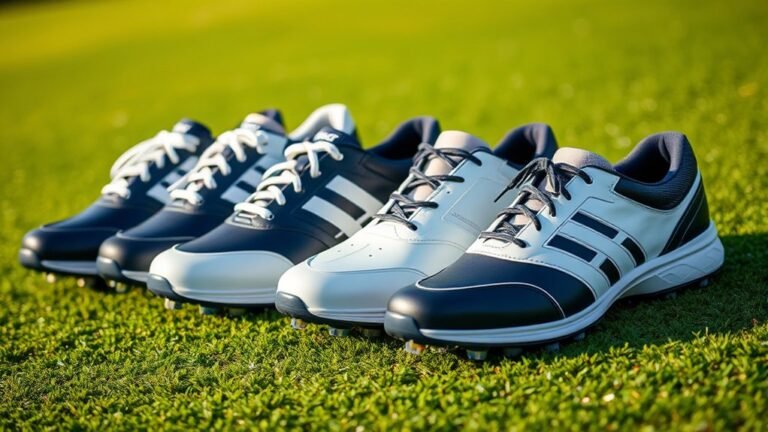
1 Best Brooks Running Shoes for 2026
You’re looking for the best Brooks running shoe for 2026, and the Adrenaline GTS 23 is your winner! It delivers that perfect balance of stability and plush softness right from your first step. The GuideRails system corrects overpronation without feeling stiff, and the DNA Loft v3 cushioning makes every landing feel less harsh. It’s designed for daily training, cradles your feet, and keeps runs incredibly comfortable. Stick around to discover exactly how its features match your unique stride!
Brooks Men’s Adrenaline Gts 23 Sneaker

- THIS MEN’S SHOE IS FOR: The Adrenaline GTS 23 is for runners who need support and want a smooth...
- GUIDERAILS HOLISTIC SUPPORT SYSTEM: Our unique technology aligns your body in its natural motion...
- SOFT, LIGHTWEIGHT CUSHIONING: New midsole features soft and lighter weight DNA LOFT v2 cushioning.
Last update on 2026-06-07 / Affiliate links / Images from Amazon Product Advertising API Some of the links on this website are affiliate links, which means that at no additional cost to you, I earn a commission if you click through and make a purchase. I only recommend products and services that I believe will add value to my readers. Thank you for your support!
Brooks Men’s Adrenaline Gts 23 Sneaker
This shoe provides support and softness. It is the smoothest, most forgiving ride yet. The shoe cradles your feet and keeps stability. Runs feel more comfortable. Landings are less harsh. Soles are not stiff. It gives a relaxing feel from mile one. This shoe offers a good balance.
Best For: Runners who want a stable shoe with plush softness for daily training.
Pros:
- Provides stability without stiffness.
- Offers a softer and smoother ride than older Adrenaline models.
- Feels comfortable from the first step.
Cons:
- Feels too structured for minimalist or neutral runners.
- Plush cushioning is less responsive for fast runs.
- Design looks similar to older versions.
Factors to Consider When Choosing Brooks Best Running Shoes
You’ll find your perfect Brooks match by focusing on five key factors. Your foot strike alignment dictates the shoe’s guidance level, while your cushioning preference—from plush to responsive—personalizes every stride. Don’t overlook arch support type, heel drop height, and terrain compatibility, as these details transform a good run into your best run!
Foot Strike Alignment
Your foot strike controls how shock moves through your body. Get this alignment right to avoid injury. Your foot strike is heel, midfoot, or forefoot. Each type controls impact.
Brooks designs shoes for your natural pattern. The shoes work without you noticing. A neutral strike needs little motion control. Overpronation or supination needs more support.
Check your old shoe soles. Heavy wear on the outside heel means you strike with your heel. Shift to a midfoot strike. This can reduce peak impact forces by 50 percent. That changes your run.
Brooks’ GuideRails correct excessive rolling. They feel gentle, not stiff. DNA Loft v3 cushion adapts to your angle. It softens your landing zones. You will feel powerful, not punished.
Get the alignment right. Every mile becomes smoother. You stop fighting your shoes. They work with you.


Last update on 2026-04-11 / Affiliate links / Images from Amazon Product Advertising API Some of the links on this website are affiliate links, which means that at no additional cost to you, I earn a commission if you click through and make a purchase. I only recommend products and services that I believe will add value to my readers. Thank you for your support!
Cushioning Level Preference
Cushioning level preference is the key to your perfect run. Brooks offers cushioning from minimal 4mm stacks for a raw ground feel to over 30mm of plush foam. Runners under 130 pounds will enjoy soft, forgiving foam that feels like running on clouds. Runners over 180 pounds need firmer cushioning. Firmer foam prevents bottoming out and keeps you stable and powerful.
Check the durometer. Softer foams (40-50 Asker C) absorb impact. Firmer options (60-70) provide snappy responsiveness. Forefoot strikers prefer a balanced 55-60 durometer midsole. This durometer manages shock absorption and toe-off energy. Brooks uses continuous or segmented cushioning. This design transforms your stride from landing to push-off. The difference is a game-changer for your run.
Arch Support Type
Arch support type matters for running. Your arch—low, neutral, or high—changes how your foot hits the ground. The right support prevents problems.
About 20–30% of runners have flat arches. This often causes overpronation. The foot rolls inward too much. Brooks stability shoes fix this. They have medial posts. These posts control motion. You save energy.
About 10–15% of runners have high arches. This causes underpronation. Stress lands on the foot’s outer edge. Brooks shoes with plush cushioning help. They absorb impact. Your feet feel relief.


Last update on 2026-04-11 / Affiliate links / Images from Amazon Product Advertising API Some of the links on this website are affiliate links, which means that at no additional cost to you, I earn a commission if you click through and make a purchase. I only recommend products and services that I believe will add value to my readers. Thank you for your support!
Not sure about your arch? Do the wet footprint test at home. Get your foot wet. Step on a flat surface. A full print means low arch. A missing middle means high arch. A moderate curve means neutral arch. Brooks has a shoe for every type.
Heel Drop Height
Heel drop height is the difference in cushion thickness between the heel and forefoot. Brooks offers standard drops of 10–12mm. This range supports heel-striking road runners. It provides extra relief for the calves. A moderate drop of 4–8mm offers a balanced ride. It shifts the runner to a midfoot strike. This blend absorbs shock and allows natural motion. Low or zero-drop models range from 0–4mm. These strengthen lower leg muscles over time. They help runners perfect their form. Match the drop to your natural gait and past injuries. This reduces strain on knees, hips, and the lower back. Getting this right improves every stride.
Terrain Compatibility
Choosing the right Brooks shoe depends on your terrain. This choice can turn a difficult run into an enjoyable one. For pavement, select a shoe with a smooth, low-profile rubber outsole. This design provides grip without extra weight. For off-road trails, choose a shoe with aggressive, multi-directional lugs. These lugs dig into dirt and gravel. Check the rubber durometer. A softer compound, between 60 and 65A, sticks well to wet roads. This compound wears out faster. For technical trails, use a shoe with a lower stack height, under 30mm. This height gives you ground feel and better balance. For mixed terrain, a rock plate in the forefoot reduces puncture risk by up to 95%. This feature provides peace of mind. Match the heel-to-toe drop, from 4 to 12mm, to the incline. A lower drop helps with steep downhills and a midfoot strike. Your terrain decides your shoe.
Breathability & Climate
Your local climate matters when you choose a Brooks running shoe. For hot summer runs, pick models with engineered mesh uppers. This material boosts airflow and lowers foot temperature. Look for breathability ratings above 50 CFM. That rating works best for hot pavement. In humid weather, choose shoes with moisture-wicking linings. These linings reduce sweat and lower blister risk. Laser-cut perforations or open weaves increase ventilation by up to 30% compared to solid panels. That means more cooling. For winter, select shoes with less airflow. Reduced airflow traps heat and keeps toes warm. Brooks balances these features. The shoe adapts to your weather. Your feet stay comfortable in any season.
Durability Expectations
Brooks shoes last 300 to 500 miles. The carbon rubber outsole provides this range. The midsole foam loses up to 30% of shock absorption after 200 to 250 miles. The upper mesh shows wear first, often at 150 to 200 miles on rough terrain. Stitching at the toe box and heel collar fails before the sole does. Breaking in your shoes adds flexibility but does not extend the 200 to 500 mile durability window. Know your mileage and rotate pairs to maximize shoe life.
Weight vs. Support
Choosing running shoes involves a trade-off between weight and support. Heavier shoes, often over 10 ounces, use dense foams and guide rails to reduce overpronation. These shoes support long distances but add 10–15% weight gain. Lighter shoes, under 8 ounces, increase speed and agility. They may lack the torsional rigidity needed for pronation control. This trade-off matters most for runners with low arches. A very light shoe can sacrifice stabilityhare, increasing knee or hip strain. The solution is to accept extra weight for improved stability. Shoes with medial posts or guide rails add 2–3 ounces. This extra weight provides a locked-in feel. You can run miles without worry. Your joints will thank you.
Frequently Asked Questions
How Do Brooks Sizes Compare to Nike or New Balance?
You’ll find Brooks sizing runs truer to New Balance, offering a roomier toe box than Nike. Nike tends to run narrower, so you might need a half size up in that brand.
Can Brooks Running Shoes Be Resoled or Repaired?
You can’t resole Brooks running shoes, but you can repair small rips or replace the insoles. For major fixes, you’ll likely need a new pair, as their foam degrades over time.
Are Brooks Shoes Suitable for Flat Feet or High Arches?
Definitely, Brooks shoes suit both flat feet and high arches. They provide excellent support and cushioning for each. You’ll find models like the Adrenaline for flat feet and the Glycerin for high arches, perfectly suited.
What Is Brooks’ Return Policy for Used Shoes?
You can return your used Brooks shoes within 90 days for a full refund or exchange, regardless of wear. Just ship them back or visit a retailer. You’ll receive your refund promptly. Don’t hesitate to start the process.
Do Brooks Shoes Need a Break-In Period?
You don’t need a break-in period for Brooks shoes. They’re designed to feel comfortable right out of the box, so you can start running immediately without any discomfort.

Mia Smith is the founder of Shoe Storyteller, a blog that celebrates the art and stories behind shoes. With a passion for fashion and a flair for storytelling, Mia brings a unique perspective to the world of footwear.