Birkenstock QS 500 Review: Safety Clog Comfort, Protection and Fit Tested
Do your feet ache after a long shift? The Birkenstock QS 500 aims to help.
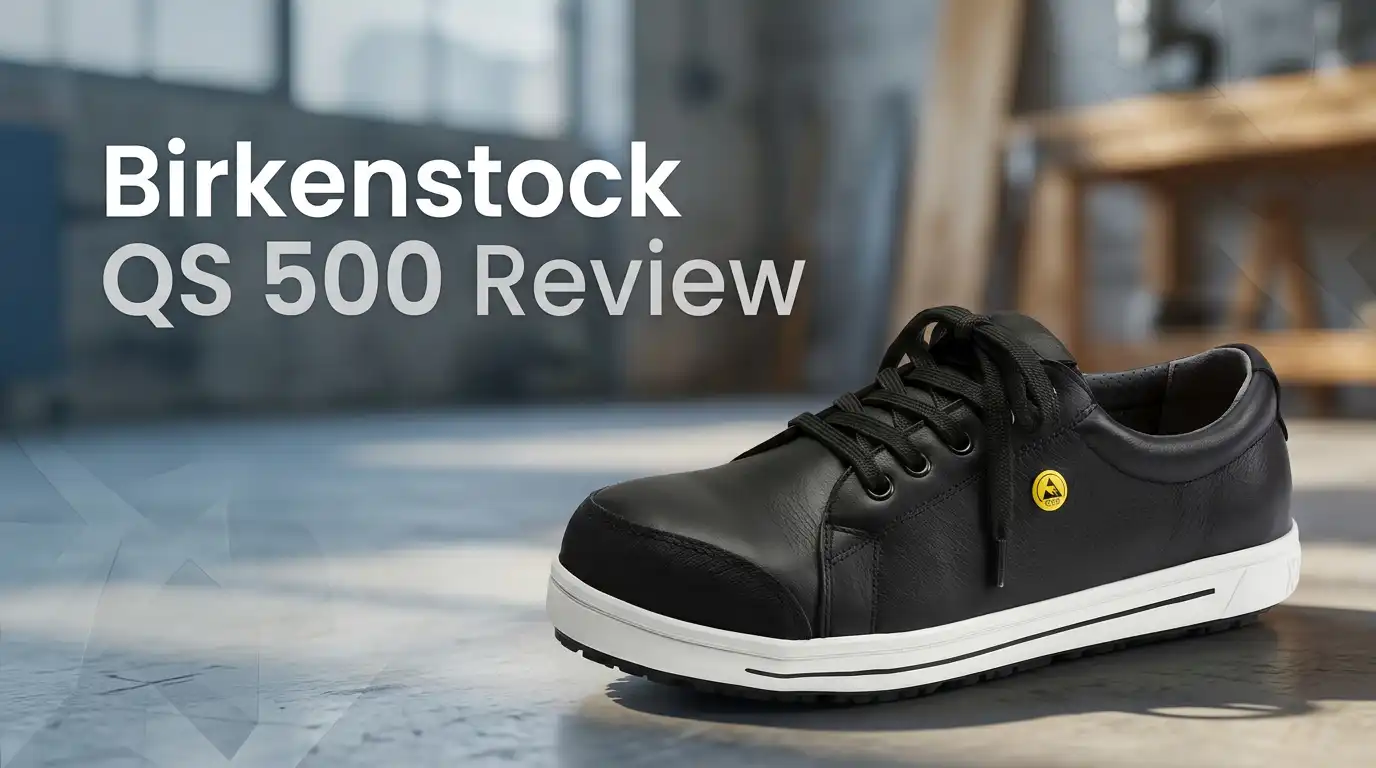
This safety shoe pairs a removable cork footbed with an S3 rated steel toe. It also has a water repellent leather upper.
We checked the specs and read real wearer feedback. Some people praise the support. Others mention a narrow toe.
Read on to see if it suits your workday.
In a Nutshell
-
Upper and lining: The shoe uses water repellent smooth leather with a microfibre lining. This helps keep light splashes off your feet during the shift.
-
Two variants: Birkenstock offers an ESD version and a Natural Leather version. Check your site rules and pick the one that fits.
-
Grip and sole: The nitrile rubber outsole is slip resistant and oil resistant. A retailer listing also calls the sole penetration resistant, which adds peace of mind on rough floors.
-
Fit warning: One Reddit user said the toe may taper to a point. Another reported toe pain after starting a new job. These stories are anecdotal, so try the shoe on first.
-
Comfort check: A different user felt the cork footbed did not improve comfort after a month. That comment covered the QS 700, so treat it as a hint, not proof.
-
Other options: Compare the QS 700, the QS 400 S3, and Vivobarefoot safety shoes. Each one suits a slightly different foot and workday.
Materials and Build Quality
Build quality shows up in the small details. The Birkenstock QS 500 divides its work across three zones: the upper, the footbed, and the sole. Each zone handles a different part of your workday.
The footbed does the most work. It follows the natural curve of the foot. Because it lifts out, you can air it after a damp shift or let it dry overnight. That simple step can help the inside feel fresher.
The upper takes the daily knocks. Floors, bench edges, and machine guards all leave marks on the surface. A tough top layer helps the shoe handle that wear without looking worn after a few weeks.
Seams and joins matter too. Look closely where the upper meets the sole and check for neat, even stitching. Clean finishing suggests careful assembly, which helps a shoe hold together under heavy use.
Leather needs a little care to last. A quick wipe after muddy or oily days keeps the surface looking neat. Conditioning the leather every few months helps it stay supple over time.
The sole shapes how the shoe feels by the end of a long shift. Hard floors can tire the legs, so pay attention to how the ride feels when you walk.
Think about your workplace too. A shoe that handles a warehouse floor may feel different on kitchen tiles or a construction site. Note the surfaces you stand on most, then compare them with how the sole grips and how the footbed supports you.
Try them on in the afternoon. Feet swell during a workday, so a pair that fits at nine may feel tight by four. Walk around the room, climb a few stairs, and stand still for several minutes. This quick test shows whether the build suits your feet and routine.

- Shower resistant outer cover
- Oil and Benzinresistente walking soles
- Non-slip outsole
Last update on 2026-10-22 / Affiliate links / Images from Amazon Product Advertising API Some of the links on this website are affiliate links, which means that at no additional cost to you, I earn a commission if you click through and make a purchase. I only recommend products and services that I believe will add value to my readers. Thank you for your support!


Last update on 2026-04-11 / Affiliate links / Images from Amazon Product Advertising API Some of the links on this website are affiliate links, which means that at no additional cost to you, I earn a commission if you click through and make a purchase. I only recommend products and services that I believe will add value to my readers. Thank you for your support!
Safety Protection and Certifications
Safety ratings tell you what a shoe can handle on the job. The Birkenstock QS 500 carries an S3 rating, which covers more than the toe.
The S3 standard asks for several layers of protection. A shoe must include a protective toe cap, a sole that resists puncture, and a heel that absorbs energy.
Penetration resistance matters on busy sites. Nails, screws, and sharp offcuts can pierce a thin sole. A puncture resistant layer keeps them away from your foot.
Product listings do not always agree on toe materials. Some describe a steel toe, while others call the shoe metal free. Read the product label closely, so you know which parts contain metal.
Check the markings inside the shoe. A genuine safety shoe carries the EN ISO 20345 standard along with its S3 code. These markings show that the shoe went through official testing.


Last update on 2026-04-11 / Affiliate links / Images from Amazon Product Advertising API Some of the links on this website are affiliate links, which means that at no additional cost to you, I earn a commission if you click through and make a purchase. I only recommend products and services that I believe will add value to my readers. Thank you for your support!
The ESD version adds a different safety feature. It helps control static electricity, which can damage electronic parts or spark near flammable materials. Only choose it if your job needs static control.
Ask your employer about site rules. Some workplaces need extra protection, such as a metatarsal guard over the top of the foot. Confirm the shoe meets those rules before your first shift.
Regular checks keep protection working. Look over the toe cap and sole each week. Cracks, dents, or loose stitching mean the shoe may no longer protect you as intended.
Keep records of your safety gear. Many employers track issued shoes and replacement dates. Save your receipt and note the purchase date, so you can prove when you bought them.
Safety comes first, so verify before you buy. A certified shoe protects you only when it fits well and stays in good shape. Replace worn shoes as soon as the toe or sole looks damaged.
Comfort, Footbed and Fit
Comfort depends on more than the sole shape. The removable footbed adds flexibility. Take it out and let it dry after a sweaty shift.
If your feet need extra support, a thin orthotic may fit underneath. Check the space first. Slide it in before you commit to the pair.
Heel hold matters just as much. A loose heel leads to rubbing and blisters. Walk a few steps and lift your heel gently. If it slips, try a smaller size.
Steel toes need extra room. Your toes should wiggle freely inside the cap. Squeezed toes can go numb by lunchtime.
Socks change the fit too. Try them on with the thickness you wear on site. A thin sock can hide a tight fit.
Leather softens with time. Expect a short stretch of stiffness at first. Wear the shoes for short shifts before full days.
Foot width varies from person to person. Stand with your full weight on the shoes. Check that the sides do not press hard against the upper.
Arch height changes the feel too. A flat arch often needs more support. A high arch may feel cramped in a shallow shoe.
Try a short test before you decide. Walk up stairs, crouch low, and stand on your toes. Each move shows a different pressure point.
Walk on different surfaces. Concrete feels harder than rubber matting. Test both if your site has mixed floors.
Note any hot spots. A small rub today can become a blister by Friday. Stop and adjust the fit before the problem grows.
Heel and toe comfort also affect your posture. A sore foot can change how you stand and walk. Good fit keeps your back calmer too.
Comfort is personal. Your feet, socks, and daily routine all shape the result. Take your time and pick the pair that feels steady from start to finish.
Top 3 Alternatives
Chaco Z/Cloud

- Polyester jacquard webbing upper wraps around the foot and through the midsole for a customized fit
- Signature LUVSEAT footbed for all-day support and comfort
- Non-marking ChacoGrip rubber compound with 3mm lug depth

Last update on 2026-10-22 / Affiliate links / Images from Amazon Product Advertising API Some of the links on this website are affiliate links, which means that at no additional cost to you, I earn a commission if you click through and make a purchase. I only recommend products and services that I believe will add value to my readers. Thank you for your support!
The Chaco Z/Cloud is a sport sandal with a supportive footbed. Its straps adjust easily, so you can get a snug fit. Many hikers and walkers choose it for long days outdoors.
The lightweight foam sole grips well on wet rocks and muddy trails. It also dries quickly after a swim or a rainy walk. Your feet stay comfortable even after hours on the move.
Teva Hurricane XLT2

- Quick-dry webbing made from recycled plastic using traceable, verifiable REPREVE polyester yarn by...
- Easy hook-and-loop closure comes on and off quickly and gets the fit just right
- Nylon shank designed to stabilize and support your foot on uneven terrain, 30% recycled EVA midsole...
Last update on 2026-10-22 / Affiliate links / Images from Amazon Product Advertising API Some of the links on this website are affiliate links, which means that at no additional cost to you, I earn a commission if you click through and make a purchase. I only recommend products and services that I believe will add value to my readers. Thank you for your support!
The Teva Hurricane XLT2 is a sandal built for rough terrain. Its wide straps hold your foot firmly in place. Many people wear it for river trips, camping, and casual weekends.
The grippy outsole helps you stay steady on slippery surfaces. The sandal feels comfortable right out of the box, so you can wear it all day without much break-in time.
Crocs Classic Clog

- Let your little one show off their personality with Crocs Kid Classic Clogs with Patterns and...
- Iconic Crocs comfort: lightweight, flexible, 360-degree comfort.
- Pivoting heel strap for a more secure fit.
Last update on 2026-10-22 / Affiliate links / Images from Amazon Product Advertising API Some of the links on this website are affiliate links, which means that at no additional cost to you, I earn a commission if you click through and make a purchase. I only recommend products and services that I believe will add value to my readers. Thank you for your support!
The Crocs Classic Clog is an easy slip-on shoe. Its closed design protects your toes from bumps and splashes. People love it for kitchen shifts, travel days, and quick trips to the store.
The soft, lightweight material cushions your feet for hours. You can also rinse it clean in seconds. Many wearers appreciate how simple it is to pull on and go.
Grip, Slip Resistance and Workplace Suitability
Grip matters more than most people expect. A shoe that slides on a wet floor can cause a fall in seconds. The QS 500 uses a nitrile rubber outsole. Retailer listings say it resists slipping and resists oil too.
Nitrile rubber suits many busy workplaces. It handles greasy kitchens, workshops, and loading areas. Oil can turn some soles slick, so this material helps keep your footing. This helps on stairs too.
Test the grip before your first shift. Stand on smooth tiles and lightly wet them. Walk, turn, and stop quickly. Repeat the walk three times. Notice whether your feet slide or hold firm.
Tread wears down over time. Check the pattern every few weeks. Flat spots mean less grip. Replace the shoes when the pattern looks smooth.
Grip also depends on the floor itself. Concrete, steel plates, and painted surfaces each feel different. Ask a supervisor which surfaces your site uses most.
Match the shoe to your daily tasks. Long hours on hard floors ask a lot from any sole. Think about how often you walk, climb, or kneel. Heavy lifting also changes the demands.
Keep the sole clean. Dirt, grease, and dust fill the tread. Wipe the sole at the end of each shift. A clean tread grips better than a dirty one.
Ramps and entry mats deserve attention too. Wet mats can feel slick under thin soles. Step onto dry ground before you walk fast.
Check workplace rules. Many employers run safety audits. Bring the model name to your supervisor. They can confirm whether the shoe meets site needs.
Good grip keeps you steady. Test, clean, and inspect your shoes often. Your feet carry you all day, so give them a reliable sole.
Care, Cleaning and Durability
Caring for your Birkenstock QS 500 takes only a few minutes each week. Good habits help the shoe last much longer on the job.
Start with the upper. Wipe the smooth leather with a soft, damp cloth. Dust and dirt can dry out the surface if they sit for days.
Use a leather conditioner now and then. It keeps the leather supple and helps the water repellent finish last. Apply a small amount and let it soak in before you wear the shoes again.
Next, clean the removable footbed. Take it out and brush off any grit. Wipe it lightly with a damp cloth, but never soak the cork. Too much water can warp the shape and weaken the glue.
Dry your shoes the right way. Let them air dry at room temperature. Keep them away from radiators, heaters, and direct sunlight. High heat can crack the leather and shrink the lining.
Stuffing paper into the shoes helps them keep their shape. Replace the paper when it becomes damp. Shoes that stay wet for long periods can develop odor and mildew.
Rotate two pairs when you can. Your feet get a day to recover, and the shoes get a day to dry out fully. This simple habit can add months to the life of each pair.
Store them in a cool, dry place. Keep them out of hot cars and damp basements. A shoe bag protects the leather from dust during long breaks, and standing the shoes upright on a shelf helps them hold their shape.
Check the stitching and toe area every month. Look for small splits, loose seams, or exposed edges. Stop wearing the shoes if the protective toe shows damage, because it no longer offers full protection.
Finally, plan for repairs early. A cobbler can often replace worn heels or resole the outsole. Ask the repair shop about your options before you agree to any work. Good care keeps your shoes safe, comfortable, and ready for many shifts.
Pros and Cons
Pros
- The footbed comes out, so you can swap in your own insole.
- The S3 rating and steel toe offer strong protection on site.
- The metal free build suits workplaces with metal detectors.
- The outsole resists oil, which helps in kitchens and garages.
- The ESD version suits areas where static can cause problems.
Cons
- Some wearers say the toe tapers to a point.
- One user felt toe pain during the first days at a new job.
- Cork footbeds feel different to each person, so comfort varies.
- Most toe shape reports come from user posts, not lab tests.
Who Should Buy It
This shoe suits people who stand for most of their shift. Long days on your feet can leave them sore. The manufacturer says the QS 500 reduces foot strain, which makes it worth a look for busy staff.
It also fits people who already love the Birkenstock feel. If you wear classic sandals or clogs at home, the shape may feel familiar. Familiar shapes often make the switch to work shoes easier.
Choose it if you want a removable footbed. You can take the footbed out and clean it. You can also swap in a custom insole from your clinic. This gives you more control over how the shoe feels.
Think about where your job takes you. A kitchen cook, a warehouse picker, and a lab worker all face different days. Picture your own shift before you decide. Long walks, short bursts of movement, and time in one spot all place different demands on your feet.
Skip it if you want a barefoot feel. The QS 500 has a firm, structured build. People who prefer light and flexible shoes may want to look at Vivobarefoot instead. That brand focuses on a barefoot style safety shoe.
Consider the QS 700 if you avoid leather. The newer QS 700 offers a vegan microfibre option. The QS 400 S3 is a lower tier sibling if you want a simpler model with a similar safety focus.
Try them on before a long shift. Wear the shoes around your home for a few hours. Check for pressure points near the toes and heels. If anything feels wrong, review the return policy before you buy.
Final thought. The QS 500 suits workers who want a classic look and a removable footbed. Your job, your foot shape, and your comfort needs should guide the choice. Honest testing always beats guessing.
Final Verdict
The Birkenstock QS 500 is a solid safety shoe for workers who value structure and protection. It blends a familiar footbed feel with the safety features many job sites require.
My overall view is positive, with one clear condition. Fit decides everything here.
Try before you commit. Test the shoe in the afternoon, when your feet are slightly swollen. That timing shows you how the toe box feels after a long day.
Wear your usual work socks during the test. Walk around for several minutes. Pay attention to the front of the shoe, because that area draws the most user comments.
Give it a fair break in period. Wear the shoes for short stretches first. Your feet need time to adjust to a firm, structured build.
If your feet still hurt after a couple of weeks, take that seriously. Pain is a signal, not something to push through.
Compare a few options. The QS 400 S3 is a lower tier sibling, so it may suit lighter needs. The QS 700 is the newer model and offers a vegan option.
Vivobarefoot makes a barefoot style safety shoe. It feels very different from the QS 500, so it suits a different kind of wearer.
Keep expectations realistic. Some research comes from retailer listings and user posts. Those sources help, but they do not replace your own trial.
One comment about cork comfort came from QS 700 use. Treat it as a hint, not a verdict on the QS 500.
The bottom line: Buy the QS 500 if your workplace demands certified protection and you like a supportive, structured shoe. Check the fit carefully first.
Choose another model if you want a soft, flexible, or minimal feel. Your daily tasks and foot shape should guide the final call.
A good safety shoe protects you and stays comfortable for a full shift. The QS 500 can do both for the right person.
Frequently Asked Questions
What is the Birkenstock QS 500 made from?
The upper uses water-repellent smooth leather. The lining is microfibre, and the outsole is nitrile rubber. You can choose between an ESD version and a Natural Leather version.
Does the upper handle water well?
Yes, the smooth leather is water-repellent. Splashes and light wet floors are less of a problem. Heavy rain or deep puddles may still soak through over time, so dry your shoes after wet shifts.
Is the outsole non-slip?
The manufacturer cites a firm grip, and retailer listings describe the nitrile outsole as non-slip and oil-resistant. Wet or greasy floors still call for care. Walk slowly on new surfaces until you know how the sole behaves.
How should I care for the leather?
Wipe the upper with a dry or lightly damp cloth after each shift. Let the shoes air dry, away from direct heat. Use a leather conditioner now and then to keep the smooth finish looking fresh and flexible.

Mia Smith is the founder of Shoe Storyteller, a blog that celebrates the art and stories behind shoes. With a passion for fashion and a flair for storytelling, Mia brings a unique perspective to the world of footwear.