Bogs Winter Boots Review 2026: Still Worth It?
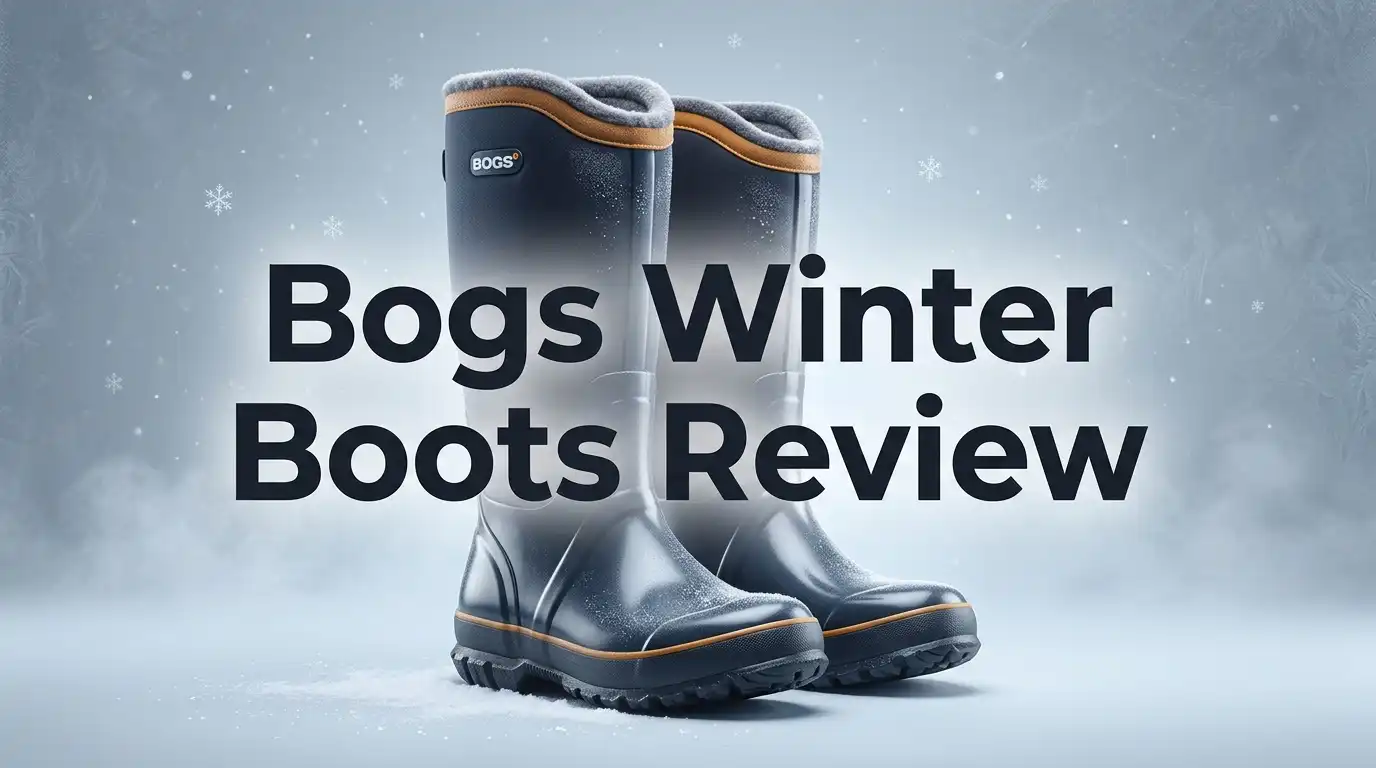
Cold feet ruin winter faster than anything else. You step outside, snow packs into your socks, and the whole day feels miserable. Bogs winter boots promise to fix that with one simple idea: a rubber lower, a neoprene upper, and no laces at all. You slide them on and you go.
I have worn Bogs through slush, barnyard mud, icy sidewalks, and one memorable morning at 18 degrees below zero.
So this review covers what these boots actually do on your feet, not what the box says. I also cover the parts Bogs gets wrong, because every boot has a weak spot. By the end, you will know whether a pair belongs in your entryway this winter.
In a Nutshell:
- Warmth is the strongest feature. Bogs uses 7mm Neo Tech neoprene in most winter models, and the brand rates the Classic line to 40 degrees below zero. Real world performance holds up well in the single digits and teens.
- They are fully waterproof, not just water resistant. The one piece rubber shell has no seams at the foot. You can stand in a puddle and read a book. Slush, mud, and wet snow simply wipe off.
- Traction is good on snow and mud, weaker on wet ice. The soft rubber compound grips loose surfaces well. It slides on glazed ice and wet concrete, so add traction cleats for icy commutes.
- Sizing runs roomy and slightly sloppy. Wide feet love the fit. Narrow feet often need a thick sock or an aftermarket insole. Most owners buy their normal size and stop there.
- They are heavy and not breathable. Expect around 2 to 4 pounds per pair depending on the model. Feet sweat above freezing, and the neoprene takes days to dry inside.
- Value is strong. Most models sit between 115 and 190 dollars, and many owners report three to six winters per pair. That works out cheaper than replacing cheap boots every year.
BOGS Men’s Classic High Boot

- Bogs Footwear Classic High Men's Waterproof Boots
Last update on 2026-09-30 / Affiliate links / Images from Amazon Product Advertising API Some of the links on this website are affiliate links, which means that at no additional cost to you, I earn a commission if you click through and make a purchase. I only recommend products and services that I believe will add value to my readers. Thank you for your support!
The Classic High is the boot that built the brand. It stands about 14 to 15 inches tall, wraps your foot in 7mm of Neo Tech neoprene, and carries a temperature rating of 40 below. There are no laces, no zippers, and no buckles. You pull it on and walk out the door.
What surprised me most was the weight. For a boot this tall, it feels lighter than a Muck Arctic Sport. The flexible sole lets you walk almost normally instead of clomping. The footbed uses algae based EVA foam, and it gives real arch support out of the box.
The downside is simple: the men’s version has no pull handles. Getting them off after a long day takes effort. If handles matter to you, look at the Classic Ultra High instead. Style is also plain and boxy. Nobody buys these to look sharp.
Pros
- Fully waterproof one piece rubber shell
- Warm in deep subzero cold with a wool sock
- Light for its height and easy to walk in
- Self cleaning outsole sheds mud quickly
- Odor control lining actually works
Cons
- No pull handles on the men’s model
- Plain, utilitarian looks
- Runs warm above 35 degrees
- Interior takes two or three days to dry
BOGS Women’s Neo Classic Tall Boot

- The lightweight Bogs Neo-Classic Tall work boot offers a flexible and comfortable fit that keeps you...
- 100% waterproof.
- Constructed with 5mm Neo-Tech waterproof insulation.

Last update on 2026-09-30 / Affiliate links / Images from Amazon Product Advertising API Some of the links on this website are affiliate links, which means that at no additional cost to you, I earn a commission if you click through and make a purchase. I only recommend products and services that I believe will add value to my readers. Thank you for your support!
The Neo Classic Tall is the women’s only model, and it is the coldest rated boot in the lineup. Bogs lists it at 58 degrees below zero using 5mm of Neo Tech insulation. That sounds odd given the thinner foam, but the seamless neoprene shaft traps heat very well.
It is also remarkably light. The shaft reaches about 14 inches, and the insole flexes to match your foot width. The BioGrip outsole handles packed snow and barn floors with confidence. Two pull handles at the cuff make entry and exit easy, which the men’s Classic High lacks.
Here is the catch. These are not truly waterproof at the top if you wade deep, and the cuff handles let snow sneak in during powder days. The tread also gets slippery on wet ice, like most Bogs. Owners who work on their feet all day consistently call them worth the extra 20 dollars over the Classic II.


Last update on 2026-04-11 / Affiliate links / Images from Amazon Product Advertising API Some of the links on this website are affiliate links, which means that at no additional cost to you, I earn a commission if you click through and make a purchase. I only recommend products and services that I believe will add value to my readers. Thank you for your support!
Pros
- Coldest temperature rating in the Bogs range
- Very light for a tall winter boot
- Handles make them easy to slip on
- Gel cushioned footbed suits long standing shifts
Cons
- Handles allow snow and debris inside
- Slippery on glazed ice
- Limited color range compared to the Classic II
- Calf opening is wide and can flap while walking
Top 3 Alternatives for BOGS Men’s Classic High Boot

- 5 mm neoprene provides comfort and flexibility, along with excellent waterproofing, shock absorption...
- High-grade extended rubber exterior provides extra toughness and makes for a 100% waterproof winter...
- Fleece lining is soft for enhanced comfort, durable for long wear, and provides exceptional warmth...
Last update on 2026-09-30 / Affiliate links / Images from Amazon Product Advertising API Some of the links on this website are affiliate links, which means that at no additional cost to you, I earn a commission if you click through and make a purchase. I only recommend products and services that I believe will add value to my readers. Thank you for your support!
Muck Boot Arctic Sport II Tall

- 15” LEGACY BOOT - An Alaskan staple in the commercial fishing industry, the Legacy Boot provides...
- DURABLE CONSTRUCTION - Each boot is made with XTRATUF’s signature triple dipping technique, which...
- WATERPROOF & SLIP RESISTANT - The Legacy Boot delivers sneaker-like agility while providing...
Last update on 2026-09-30 / Affiliate links / Images from Amazon Product Advertising API Some of the links on this website are affiliate links, which means that at no additional cost to you, I earn a commission if you click through and make a purchase. I only recommend products and services that I believe will add value to my readers. Thank you for your support!


Last update on 2026-04-11 / Affiliate links / Images from Amazon Product Advertising API Some of the links on this website are affiliate links, which means that at no additional cost to you, I earn a commission if you click through and make a purchase. I only recommend products and services that I believe will add value to my readers. Thank you for your support!
XTRATUF Legacy Tall Boot

- KEEP SNOW OUT, STAY WARM INSIDE: The waterproof nylon upper and adjustable snow collar on these...
- ALL-DAY WARMTH: Featuring an 8mm Thermal Guard moisture-wicking liner made from 100% recycled...
- SECURE + COMFORTABLE FIT: The adjustable midfoot hook-and-loop strap ensures your hiking boots stay...
Last update on 2026-09-30 / Affiliate links / Images from Amazon Product Advertising API Some of the links on this website are affiliate links, which means that at no additional cost to you, I earn a commission if you click through and make a purchase. I only recommend products and services that I believe will add value to my readers. Thank you for your support!
Kamik Nationplus Snow Boot
The Unboxing Experience
Bogs ships in a plain brown box with minimal padding. Inside, the boots sit nose to tail wrapped in thin tissue. There are no shoe trees, no extra laces, and no spare insoles. It feels like workwear packaging, because that is exactly what this is.
The first thing you notice is the smell. Fresh neoprene and rubber have a strong, gluey scent that fades after a few days of airing out. Put them in a garage or mudroom for 48 hours before wearing them indoors.
Pick one up and the build quality sells itself. The rubber lower is thick and uniform. The neoprene upper bonds to it with no visible seam, no stitching, and no glue lines. Flex the shaft and nothing creases oddly. Reach inside and the lining feels soft and dry.
There is no break in period. You slide them on, and they fit the same on day one as day two hundred.
How Warm Are Bogs Winter Boots Really?
Temperature ratings on boots are marketing numbers, not lab certifications. Bogs rates the Classic line to 40 below and the Neo Classic to 58 below. Those figures assume you are moving, wearing proper socks, and not standing still on frozen concrete for an hour.
Here is what I found in practice. Between zero and 20 degrees, Bogs are excellent. Your toes stay warm during dog walks, chores, and school pickups. Below zero with wind, they still work if you keep moving and wear a thick wool sock.
The failure mode is standing still. The sole is fairly thin compared with a Baffin or Sorel pack boot, so cold seeps up from the ground during long stationary periods. Ice fishing for four hours will test them.
Above freezing, the opposite happens. You overheat and sweat. Bogs are cold weather boots, not all season boots.
Waterproofing: Do Bogs Leak?
This is where Bogs earns its reputation. The foot and lower shaft form one continuous rubber and neoprene piece with no stitching, so there is nothing to seam seal and nothing to fail. Bogs submerges test boots for 24 hours as part of quality control.
In real use, the only water that gets in comes over the top. Step into a stream deeper than 13 inches and you will flood them. Models with cutout pull handles, like the Bozeman and Neo Classic, lower the effective waterproof height by an inch or two.
The bigger annoyance is drying time. Once water or sweat gets inside, neoprene holds it. Expect two to three days with a boot dryer, longer without one. Stuff them with newspaper overnight and swap it in the morning.
Mud, manure, and slush all rinse off with a garden hose. That alone makes them worth owning on a farm.
Traction on Ice, Snow, and Wet Concrete
Bogs uses a soft rubber compound with widely spaced lugs. On mud, loose snow, and packed trails, that combination bites well. The self cleaning pattern also clears itself instead of packing into a smooth plug.
Wet ice is the weak point. Multiple testers, including me, have slipped on glazed sidewalks and wet warehouse floors. The Neo Classic BioGrip outsole performs better than the standard Classic, but neither matches a dedicated ice sole with glass fiber or carbide studs.
My fix is cheap. A 20 dollar set of rubber traction cleats slips over the boot for icy mornings and stores in a coat pocket. That combination is safer than any factory outsole.
Newer Bogs models advertise GlacialGrip rubber, which improves cold weather grip noticeably. If ice is your main concern, look for that label before you buy.
Comfort, Fit, and Sizing Advice
Bogs fit roomy. The toe box is wide, the instep is generous, and the calf opening is broad. People with wide feet usually call these the most comfortable boots they own. People with narrow feet often report heel lift and a sloppy feel.
Order your normal shoe size. Bogs offers whole sizes only in most models, so if you wear a half size, go down and wear a thicker sock rather than up.
The footbed deserves credit. It is contoured with genuine arch support, not a flat foam pad. Standing on it for eight hours does not wreck your feet.
Walking style takes adjustment. The wide cuff slaps against your shin or calf with each stride, especially on the Bozeman. It is noisy rather than painful, and you stop noticing after a week.
What Bogs Winter Boots Do Not Do Well
Honest reviews list failures, so here they are. Bogs are not hiking boots. The loose fit and soft flex give you no lateral stability on side hills, and the weight wears you down past three miles. Take a lace up boot on the trail.
They do not breathe. Neoprene is a wetsuit material. Anything above 35 degrees leaves your socks damp with sweat.
They are not fashionable. The silhouette is chunky and agricultural. Some patterned women’s versions look nicer, but nobody mistakes these for city boots.
They also lack insulated removable liners, so you cannot pull a liner out to dry it overnight. Sole wear is another issue. The soft compound grips well but abrades quickly on gravel, concrete, and frozen ground edges.
Finally, the rubber can crack near the flex point after several hard seasons.
Bogs vs Muck Boots: Which Wins?
This is the question every buyer asks. Both brands make tall, waterproof, pull on winter boots at similar prices. The differences are small but real.
Bogs uses 7mm of neoprene with no fleece lining. Muck uses 5mm plus a fleece layer. Bogs comes out lighter and more flexible. Muck comes out cushier, with a thicker sole that insulates better from frozen ground.
Muck wins on arch cushioning and cold concrete. Bogs wins on weight, flexibility, and walking comfort. Muck has more total reviews and a slightly stronger following among men who work outside all day.
Price tips toward Bogs. The Classic High undercuts the Arctic Sport II by roughly 35 dollars for men and 15 for women.
Honestly, this is regional loyalty as much as engineering. Try both if you can, and buy the one that fits your foot shape.
Durability After a Full Winter
I have tracked two pairs across multiple seasons. The rubber shell shows scuffs but no punctures. Firewood dropped on the toe left marks and nothing more. Neoprene resists tearing surprisingly well.
Sole lugs are the first thing to wear. Kicking into frozen ground or walking daily on concrete rounds them off within one hard season. Grip drops noticeably once that happens.
The second wear point is the flex crease. After three or four winters, fine cracks can appear where the rubber bends at the ankle. Once that cracks through, the boot leaks and cannot be repaired.
Interior linings compress over time, which loosens the fit slightly. Most owners report three to six winters of regular use. Farm and jobsite users report closer to two or three. Bogs offers a warranty on manufacturing defects, so keep your receipt.
BOGS Bozeman Tall for Work Days
The Bozeman Tall is the heavy duty option at around 15 inches and 4 pounds per pair. It combines a rubber lower with a 7mm neoprene shaft and adds impact protection through the toe and sidewalls.
This is the model for ranch work, sawmills, and job sites. It shrugs off glancing blows from tools and dropped timber. Testers who split firewood in them came away with scratches only.
The tradeoffs are weight and cuff handles. Those cutout handles make entry easy but let sawdust, wood chips, and powder snow inside. They also cut the effective waterproof height.
Traction on ladders and rungs is excellent thanks to the closely spaced toe and heel ridges. Some owners do complain about slipperiness on ice, echoing the broader Bogs pattern. Skip this one if you want a light boot.
Bogs Winter Boots for Kids
Kids are where Bogs quietly dominates. The Kids Classic High uses the same waterproof rubber and neoprene build, plus two big pull handles so children can dress themselves.
No laces means no meltdowns at the door. A four year old can put these on alone, which parents describe as the single best feature. Snow boots that a child refuses to wear are worthless.
They also survive hand me down duty. Rubber does not crease and split like fabric snow boots, so a pair often serves two or three siblings.
The same warnings apply. They are warm but sweaty in mild weather, slippery on ice, and slow to dry after a wet playground day. Buy a size up and a thick sock so they last two winters, and keep a second pair of socks in the backpack.
Care and Cleaning Tips
Care is easy. Rinse the outside with a garden hose after muddy or salty use. Road salt dries out rubber and leaves white stains, so rinse it the same day.
Never dry Bogs near a heater, woodstove, or radiator. Direct heat hardens rubber and accelerates cracking at the flex point. Use a low temperature boot dryer or room temperature air instead.
Dry the inside properly. Pull out the footbed after every wet day and stand the boots upside down. Newspaper stuffed inside pulls moisture out overnight.
For odor, sprinkle baking soda inside and leave it overnight, then shake it out. A vinegar and water wipe handles stubborn smells.
Store them upright in a cool place during summer, not folded in a hot attic. Treat them this way and you will get several extra seasons.
Who Should Buy Bogs Winter Boots in 2026?
Buy Bogs if you spend winter days outside in wet, cold, muddy conditions and you value slipping boots on in three seconds. Farmers, dog walkers, parents on school runs, and outdoor workers get the most value here.
Buy the Classic High or Classic II if you want the best all round pick. Buy the Neo Classic Tall if you need maximum warmth and light weight. Buy the Bozeman Tall if you need impact protection at work.
Skip Bogs if you hike long distances, walk mostly on ice, live somewhere that hovers above freezing, or care about looking sharp downtown.
At 115 to 190 dollars with a realistic three to six year lifespan, the math works. These are not perfect boots. They are dependable, warm, waterproof, and honest, and that combination is rarer than it should be.
Frequently Asked Questions
Are Bogs warm enough for extreme cold?
Yes for active use. The Classic line handles zero to 20 degrees comfortably and copes below zero while you keep moving. For hours of standing still in deep cold, a pack boot with a removable liner insulates better through the sole.
Do Bogs run true to size?
They run roomy but true to your normal size. Most models come in whole sizes only. If you wear a half size, size down and add a thicker wool sock rather than sizing up.
Are Bogs actually waterproof?
The foot and lower shaft are completely waterproof with no seams. Water only enters over the top or through the cutout pull handles on some models. Sweat is the more common source of interior dampness.
Can I wear Bogs in summer?
You can, but you will not enjoy it. Neoprene traps heat, so feet sweat heavily above 35 degrees. Bogs makes uninsulated rain boot models that suit warm weather much better.
Why do my Bogs feel slippery on ice?
The soft rubber compound grips snow and mud well but loses bite on glazed ice and wet concrete. Look for models with GlacialGrip outsoles, or add slip on traction cleats for icy days.
How long do Bogs boots last?
Casual users typically report three to six winters. Daily farm and jobsite users report two to three. Sole lugs wear first, and flex point cracking eventually ends the boot’s life.
Are Bogs better than Muck Boots?
Neither wins outright. Bogs are lighter, more flexible, and cheaper. Muck adds fleece lining, a thicker sole, and more arch cushioning. Foot shape and personal preference decide it.

Mia Smith is the founder of Shoe Storyteller, a blog that celebrates the art and stories behind shoes. With a passion for fashion and a flair for storytelling, Mia brings a unique perspective to the world of footwear.