
Nike Motiva vs ASICS Gel Kayano: Who Takes the Crown?
You want comfort. You want support. But two popular shoes are pulling you in different directions. The Nike Motiva and the ASICS Gel Kayano 32 sit at opposite ends of the footwear spectrum, yet both promise an outstanding experience on your feet.
One is a plush walking shoe with a unique rocker design. The other is a legendary stability running shoe with over three decades of trust behind it.
So which one is right for you? This comparison breaks down every detail. We look at cushioning, stability, weight, breathability, durability, and price. By the end, you will know exactly which shoe matches your lifestyle, your feet, and your goals. Let’s get into it.
Key Takeaways
- The Nike Motiva is a walking-first shoe that uses Cushlon 3.0 foam and an exaggerated rocker design to deliver a smooth, forward-rolling stride. It excels at casual walks, light jogs, and all-day wear.
- The ASICS Gel Kayano 32 is a premium stability running shoe built for overpronators and long-distance runners. It uses FF Blast Plus foam, PureGEL technology, and a 4D Guidance System for structured support.
- Cushioning feel differs greatly between the two. The Motiva has an ultra-soft midsole (33.0 AC), while the Kayano 32 is firmer (41.3 AC) for better control.
- The Kayano 32 offers far better traction with a lab-tested grip score of 0.84, compared to the Motiva’s 0.36. Wet surfaces favor the ASICS shoe by a wide margin.
- Both shoes weigh about the same, around 10.4 to 10.8 oz, and both fit true to size. However, the Kayano 32 is available in wide options, while the Motiva is not.
- Price matters here. The Nike Motiva retails around $110, while the ASICS Gel Kayano 32 costs $165. Your budget may guide your decision as much as your activity level.
Nike Motiva Overview

Last update on 2026-06-07 / Affiliate links / Images from Amazon Product Advertising API Some of the links on this website are affiliate links, which means that at no additional cost to you, I earn a commission if you click through and make a purchase. I only recommend products and services that I believe will add value to my readers. Thank you for your support!
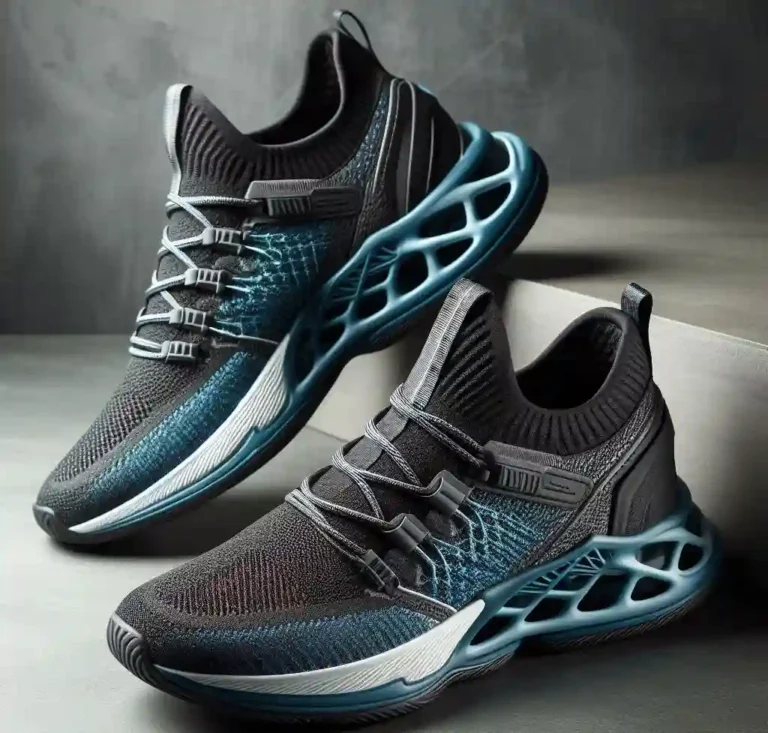
The Nike Motiva was built from the ground up as a walking shoe. Nike gave it a full-length Cushlon 3.0 foam midsole and paired it with an exaggerated rocker geometry. This rocker shape curves upward at the heel and toe. It creates a smooth rolling motion that pushes your foot forward with every step.
The shoe stands out visually. Its wavy, lumpy outsole design looks different from anything else on the market. Those bumps on the midsole are called Comfortgrooves. They help the shoe flex and compress in a natural pattern.
Nike made this shoe for people who spend hours on their feet. It works well for daily walks, errands, light jogging, and standing. The ultra-soft foam under the heel scored an impressive 15.0 HA in lab testing, making it one of the softest shoes available.
The upper uses a dense knit material with a bootie-style tongue. This keeps your foot locked in securely. However, the thick fabric does reduce breathability. Hot summer days may leave your feet warmer than you’d like.
Pros:
- Ultra-soft cushioning with a marshmallow-like feel
- Rocker design promotes smooth heel-to-toe transitions
- Strong durability scores in lab testing
- Affordable price around $110
- Wide midsole platform for good base stability
Cons:
- Limited breathability due to dense knit upper
- Poor wet traction with a friction score of just 0.36
- Not suitable for overpronation or structured runs
- No wide-width option available
- Foam may bottom out faster for heavier wearers
ASICS Gel Kayano 32 Overview

- Synthetic and textile upper
- Lightly cushioned footbed
Last update on 2026-06-07 / Affiliate links / Images from Amazon Product Advertising API Some of the links on this website are affiliate links, which means that at no additional cost to you, I earn a commission if you click through and make a purchase. I only recommend products and services that I believe will add value to my readers. Thank you for your support!
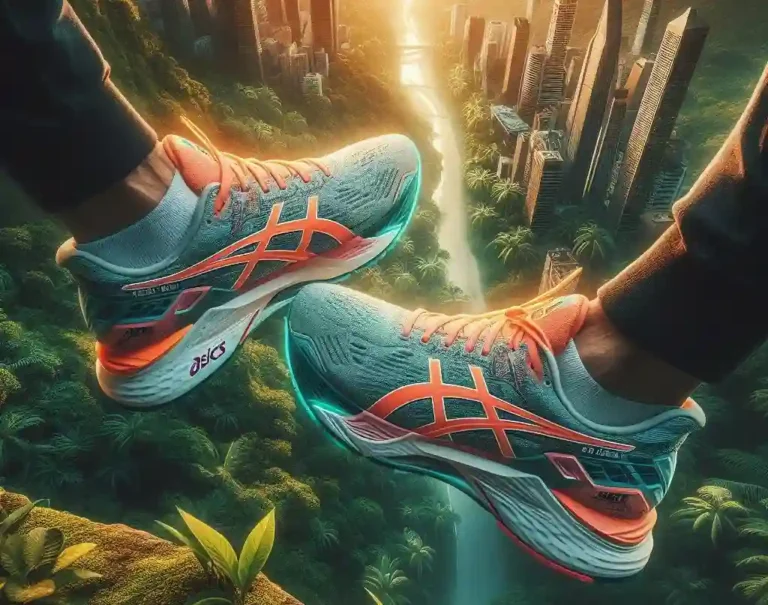
The ASICS Gel Kayano 32 carries a legacy. This shoe has been a go-to for stability runners for over 30 years. The latest version keeps the trusted formula but adds notable improvements.
ASICS uses FF Blast Plus foam in the midsole. The heel stack reaches a massive 39.9 mm. The heel-to-toe drop sits at 8 mm, reduced from 10 mm in earlier versions. This lower drop makes it friendlier for midfoot and forefoot strikers.


Last update on 2026-04-11 / Affiliate links / Images from Amazon Product Advertising API Some of the links on this website are affiliate links, which means that at no additional cost to you, I earn a commission if you click through and make a purchase. I only recommend products and services that I believe will add value to my readers. Thank you for your support!
A key feature is the 4D Guidance System in the midfoot. This replaces old-school medial posts and guides the foot through pronation without feeling intrusive. ASICS also includes PureGEL technology in the heel for extra shock absorption on landing.
The upper uses an engineered mesh that breathes well. It scored 4 out of 5 in breathability testing. The shoe also comes in multiple width options, making it accessible for more foot types.
Pros:
- Excellent stability through the 4D Guidance System
- Outstanding traction with a 0.84 grip score
- Breathable engineered mesh upper
- Available in multiple widths
- Superior outsole durability at 0.7 mm wear
Cons:
- Heavier than the average running shoe at 10.4 oz
- Low energy return of 47.8% compared to competitors
- Premium price of $165
- Can feel bottom-heavy during faster efforts
- Firmer midsole may not suit plush-cushion lovers
Cushioning Comparison
Cushioning separates these two shoes more than any other feature. The Nike Motiva uses a softer foam that scores 33.0 AC on the durometer scale. The ASICS Gel Kayano 32 measures 41.3 AC, making it roughly 25% firmer than the Motiva.


Last update on 2026-04-11 / Affiliate links / Images from Amazon Product Advertising API Some of the links on this website are affiliate links, which means that at no additional cost to you, I earn a commission if you click through and make a purchase. I only recommend products and services that I believe will add value to my readers. Thank you for your support!
Both shoes deliver strong shock absorption. The Motiva measured 133 SA in the heel. The Kayano 32 also scored 133 SA in the heel and added 116 SA in the forefoot. So impact protection is similar, but the feel is very different.
The Motiva gives you a sinking, marshmallow-like sensation. Your foot drops deep into the foam with each step. This feels amazing on walks but may feel unstable during faster movement.
The Kayano 32 provides a controlled, structured cushion. You feel protected but grounded. The firmer foam keeps your foot in place and supports a consistent stride.
Energy return also differs. The Motiva returns 58% of energy, which is above average for a walking shoe. The Kayano 32 returns only 47.8%, which is below average for a running shoe. If a bouncy, energetic ride matters to you, the Motiva wins this category.
Stability and Support
This is where the Kayano 32 dominates. ASICS built it as a stability shoe from the start. The 4D Guidance System in the midfoot controls pronation smoothly. The wide midsole base spans 119.8 mm in the forefoot and 97.2 mm in the heel. The heel counter scored a perfect 5 out of 5 for stiffness.
The Nike Motiva takes a different approach. Its rocker design propels you forward, and its wide platform (116.0 mm forefoot, 96.6 mm heel) does offer a stable base. However, it lacks any pronation control. Its heel counter scored just 2 out of 5 for stiffness.
Both shoes scored a 5 out of 5 in torsional rigidity. This means neither shoe twists easily. The Motiva achieves this through its stiff rocker geometry. The Kayano 32 achieves it through its chunky outsole and raised sidewalls.
If you overpronate or need structured support for running, the Kayano 32 is the clear choice. If you walk on flat surfaces and just need a stable forward ride, the Motiva handles that well.
Traction and Grip Performance
Traction is a major differentiator between these two shoes. The ASICS Gel Kayano 32 uses Hybrid ASICSGRIP rubber on its outsole. It scored an outstanding 0.84 in friction testing on wet concrete. That’s one of the highest scores measured in lab conditions.
The Nike Motiva scored only 0.36 on the same test. That’s well below average. Its waffle-pattern outsole looks interesting but provides minimal grip on wet surfaces. On dry pavement, it handles fine. On anything slick, you need to be cautious.
The Kayano 32 also features thicker outsole rubber at 4.5 mm. This contributes to both grip and long-term durability. The Motiva has a 3.0 mm outsole thickness, which is closer to average.
If you walk or run in rainy conditions or on mixed surfaces, the Kayano 32 is the safer option by a significant margin. The Motiva works best on dry sidewalks and indoor surfaces.
Weight and Portability
Both shoes land in a similar weight range. The Nike Motiva weighs 10.8 oz (306g) in a men’s US size 9. The ASICS Gel Kayano 32 weighs 10.4 oz (295g) in a similar size.
That 0.4 oz difference is barely noticeable on foot. Neither shoe feels like a brick. However, both are heavier than the average shoe in their categories. The Kayano 32 is 1.1 oz heavier than the typical running shoe. The Motiva matches the average walking shoe weight.
The Kayano 32 carries extra weight because of its tall foam stack, thick outsole, and stability features. The Motiva adds weight from its dense knit upper and tall midsole.
For travel and everyday carry, the Motiva has a slight advantage. Its flexible upper compresses better in a bag. The Kayano 32 holds its shape more rigidly due to the stiff heel counter and structured midsole.
Breathability and Comfort in Warm Weather
The ASICS Gel Kayano 32 wins on breathability. It scored 4 out of 5 in ventilation testing. The engineered mesh upper has strategic ventilation channels that allow airflow without sacrificing structure. ASICS balanced durability and breathability effectively here.
The Nike Motiva scored only 3 out of 5. Its dense, one-piece knit upper blocks airflow. Lab tests showed the fabric has no visible light-passing apertures under a microscope. Thick, tightly woven threads create a solid barrier.
If you live in a warm climate or plan to use your shoes during summer months, the Kayano 32 will keep your feet cooler. The Motiva works better in cooler weather or indoor settings.
One interesting note: Both shoes perform well in cold temperatures. The Motiva’s foam gets only 16% firmer in freezing conditions. The Kayano 32 gets 17% firmer. Both retain their cushioning feel in winter walks or runs.
Durability and Longevity
Both shoes impress in durability testing. The Kayano 32 slightly edges ahead with its 4.5 mm outsole thickness and an outsole wear score of just 0.7 mm in Dremel testing. That’s significantly better than the average running shoe.
The Motiva posted a 1.2 mm outsole wear result and a 3.0 mm outsole thickness. Still solid, but not as long-lasting as the Kayano. The Motiva’s outsole rubber is harder at 92.0 HC versus the Kayano’s softer but stickier compound.
For upper durability, both shoes scored 4 out of 5 in toebox testing. The Kayano 32 also scored 4 out of 5 in heel padding durability, while the Motiva scored 3 out of 5.
If you need a shoe that will hold up over hundreds of miles, the Kayano 32 has an edge. The Motiva will still last through months of regular walking, but its softer foam may crease and compress faster over time.
Fit and Sizing
Both the Nike Motiva and the ASICS Gel Kayano 32 fit true to size based on extensive user feedback. However, fit details differ between the two.
The Motiva measures 92.4 mm at its widest internal point. That’s slightly narrower than average for a walking shoe. Nike recommends going half a size up for the best fit. The toebox width sits at 71.0 mm, which is standard. No wide-width option exists for the Motiva.
The Kayano 32 measures 96.6 mm at its widest internal point. That’s slightly wider than average for a running shoe. The toebox width is 73.9 mm, and the toebox height is 27.5 mm. ASICS offers the Kayano in standard, wide, and extra-wide options.
If you have wider feet or use custom orthotics, the Kayano 32 gives you more flexibility. Both shoes have removable insoles, so you can swap in your own if needed. The Motiva’s bootie-style tongue makes it a bit harder to slip on but provides a very secure hold once on your foot.
Price and Value
The Nike Motiva retails at approximately $110. The ASICS Gel Kayano 32 costs $165. That’s a $55 difference, which is significant for many buyers.
The Motiva offers excellent value for walkers. You get ultra-soft cushioning, a unique rocker design, and solid durability at a lower price. If your primary activity is walking, this shoe punches well above its price.
The Kayano 32 justifies its higher price with decades of proven stability technology, superior traction, better breathability, and multiple width options. For dedicated runners who need pronation control, the investment pays off in injury prevention and long-term comfort.
If budget is tight and you primarily walk or do light jogs, the Motiva is the smarter buy. If you run regularly and need stability, the Kayano 32 is worth the extra cost.
Who Should Choose the Nike Motiva
The Nike Motiva fits a specific type of user. Pick this shoe if you walk for exercise, commute on foot, or stand for long periods. The rocker design reduces fatigue and keeps your stride smooth. The ultra-soft foam protects your joints during impact.
This shoe also works for beginners who jog occasionally. The Cushlon 3.0 foam handles light running without issue. If you transition between walking and jogging during workouts, the Motiva adapts well.
People who want a comfortable all-day shoe will love the Motiva. Its plush tongue padding at 11.5 mm and bootie upper wrap your foot in comfort. The wide midsole platform provides enough stability for everyday activities.
Avoid the Motiva if you need pronation control, wet-surface grip, or a breathable summer shoe. It was not built for those purposes.
Who Should Choose the ASICS Gel Kayano 32
The ASICS Gel Kayano 32 serves a broader athletic audience. Choose this shoe if you run regularly, deal with overpronation, or train for races. The 4D Guidance System and wide stability platform keep your foot aligned through every mile.
Heavier runners benefit from the Kayano 32’s firm cushion and strong shock absorption. The 39.9 mm heel stack provides maximum protection without feeling mushy. The firmer foam (41.3 AC) prevents bottoming out.
If you run in varied weather conditions, the Kayano’s 0.84 grip score gives you confidence on wet roads. The breathable upper also keeps your feet cool during warm-weather runs.
This shoe also works well as a daily trainer for long distances. Many runners use the Kayano as their go-to shoe for easy runs, long runs, and recovery days. Its durability ensures it will last through a full training cycle.
FAQs
Is the Nike Motiva good for running?
The Nike Motiva works for light jogging and walk-to-run transitions. It is not a dedicated running shoe. Its ultra-soft foam and rocker design suit walking and casual jogs best. Serious runners should look at shoes like the Kayano 32 for structured support.
Does the ASICS Gel Kayano 32 work for walking?
Yes, the Kayano 32 works well for walking. Its cushioning, traction, and stability features provide a comfortable walking experience. However, it costs more than most walking-specific shoes and may feel heavier than needed for casual walks.
Which shoe is better for flat feet?
The ASICS Gel Kayano 32 is better for flat feet. Its 4D Guidance System and structured stability platform support low arches and control overpronation. The Nike Motiva lacks arch support and pronation control features.
Can I use the Nike Motiva for gym workouts?
No. The Nike Motiva’s rocker geometry makes it unstable for lateral movements. The shoe is designed for forward motion only. Gym workouts require a flatter, more grounded shoe.
Are both shoes true to size?
Yes, both the Nike Motiva and the ASICS Gel Kayano 32 fit true to size based on large user vote counts. Nike does recommend trying a half size up in the Motiva for a more comfortable fit. The Kayano 32 comes in multiple widths for additional fit options.
Which shoe lasts longer?
The ASICS Gel Kayano 32 has better overall durability. It scored lower outsole wear (0.7 mm vs 1.2 mm), has thicker outsole rubber (4.5 mm vs 3.0 mm), and earned higher heel padding durability marks. Both shoes offer solid longevity for their categories.
Is the Nike Motiva worth it for the price?
Yes. At around $110, the Nike Motiva delivers excellent cushioning, a smooth ride, and good durability. It offers strong value for walkers who want premium comfort without paying premium running-shoe prices.

Mia Smith is the founder of Shoe Storyteller, a blog that celebrates the art and stories behind shoes. With a passion for fashion and a flair for storytelling, Mia brings a unique perspective to the world of footwear.