Saucony vs Adidas: Which One Should You Choose?
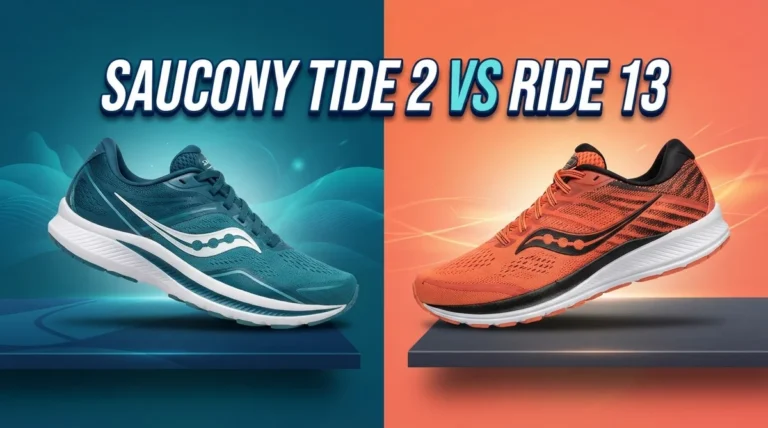
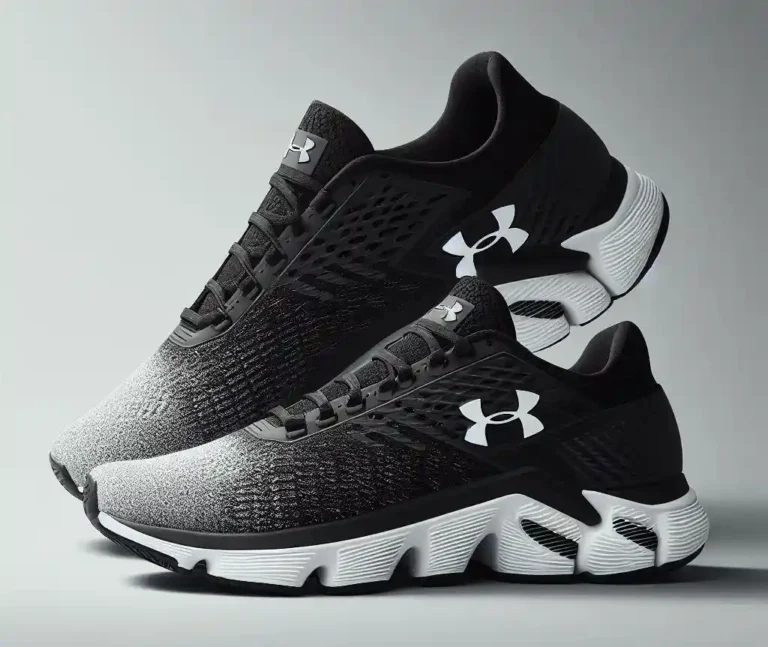
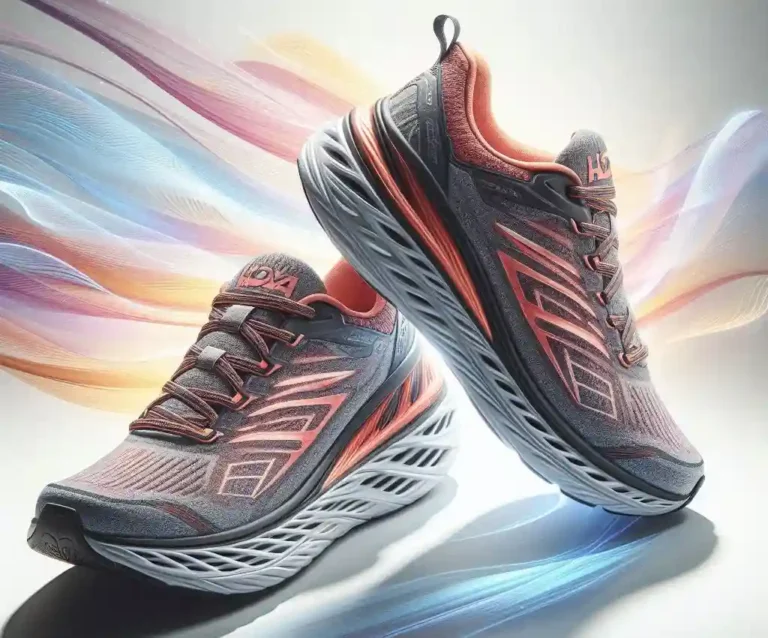
Saucony vs Adidas: When it comes to high-performance running shoes, two brands stand out from the rest: Saucony and Adidas.
Both have earned a reputation for delivering exceptional comfort, support, and style.
While they share some similarities, each brand has its unique features, technologies, and design philosophies.
Saucony vs Adidas: A Quick Overview
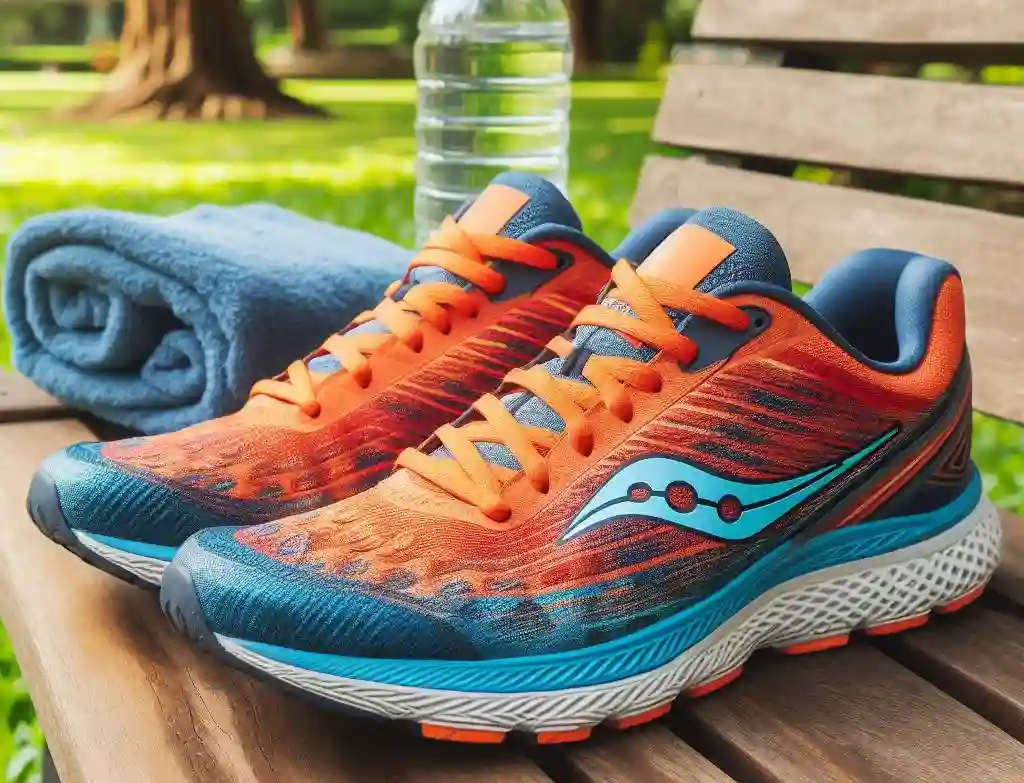
Saucony:
- Known for their high-performance running shoes with a focus on comfort, support, and stability
- Features advanced technologies like EVERUN topsole and PWRTRAC technology for a responsive ride
- Offers a wide range of models catering to different running styles, from neutral to support shoes
- Generally considered to have a more substantial and supportive ride
Adidas:
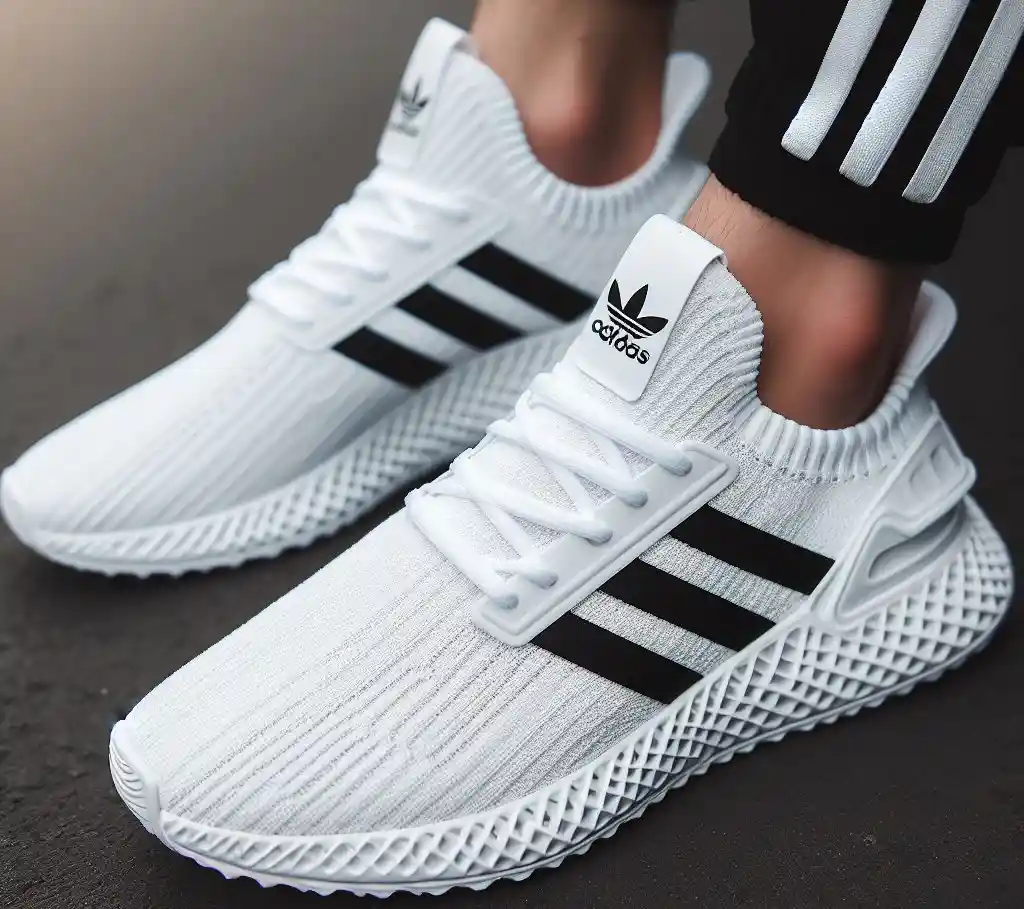
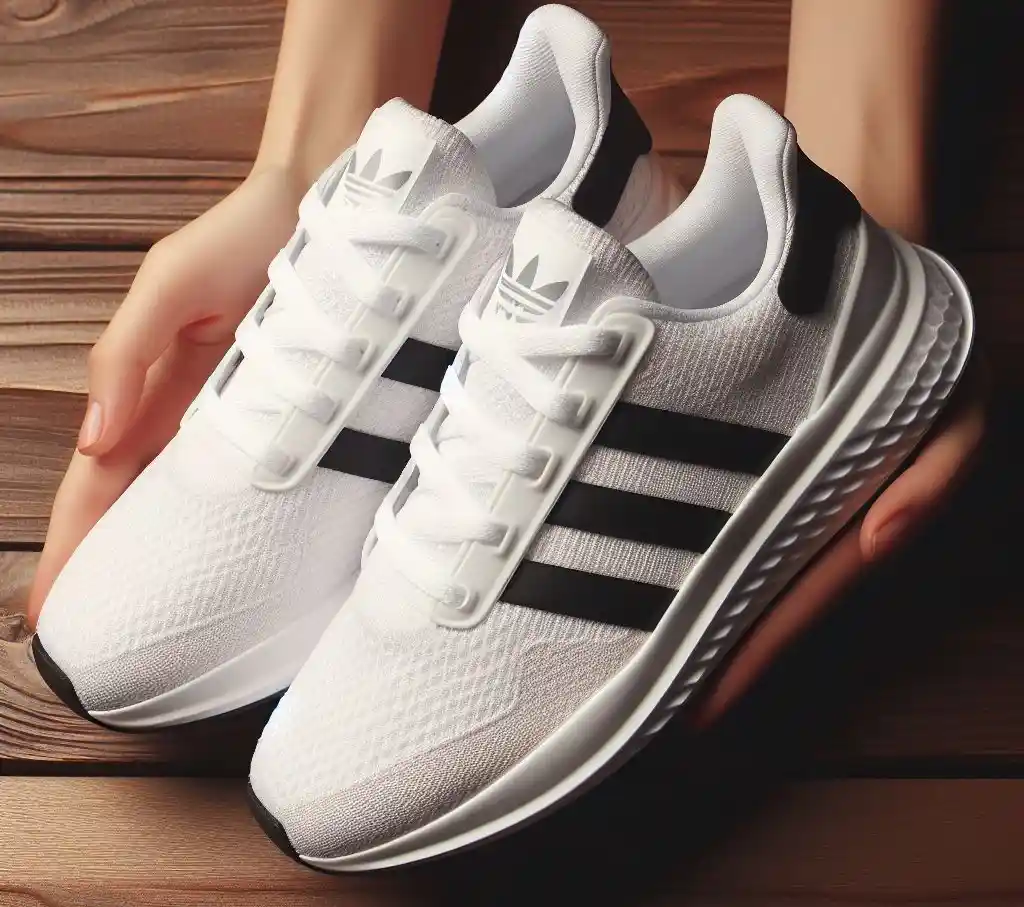
- Famous for their iconic three-stripe design and Boost cushioning technology
- Offers a wide range of running shoes, from casual jogging to high-performance racing shoes
- Features advanced technologies like Boost, Continental Rubber, and Parley recycled materials
- Known for their sleek designs, vibrant colorways, and celebrity collaborations
Cushioning and Comfort: Which Brand Offers Better Comfort?
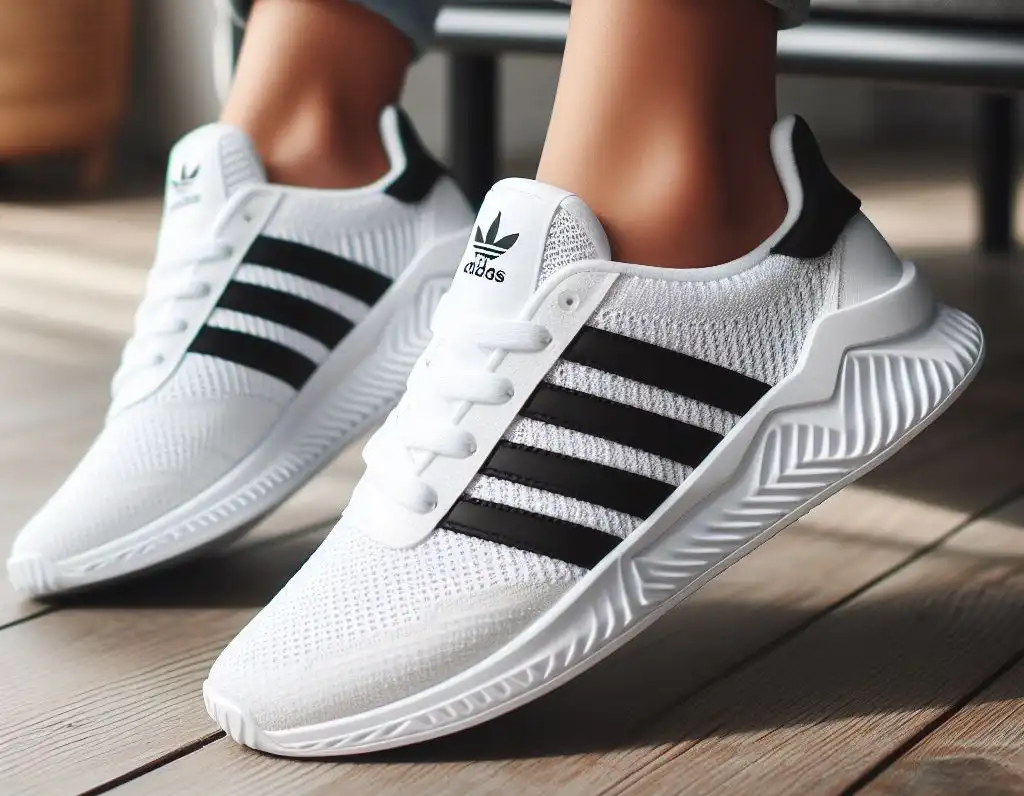
Cushioning
- Saucony: Features EVERUN topsole, a responsive and durable material that provides a smooth heel-to-toe transition. Their shoes often have a more substantial and supportive ride, with a focus on comfort and stability.
- Adidas: Boasts Boost cushioning, a unique technology that provides exceptional energy return and shock absorption. Boost particles compress and then quickly return to their original shape, giving runners a soft and springy feel.
Comfort
- Saucony: Offers a more substantial and supportive ride, with a focus on comfort and stability. Their shoes often feature a more generous toe box and a comfortable, breathable upper.
- Adidas: Provides a more minimalist and flexible ride, with a focus on freedom of movement and a snug, comfortable fit. Their shoes often feature a sleek, lightweight design and a soft, breathable upper.
Support and Stability: Which Shoe Reigns Supreme?
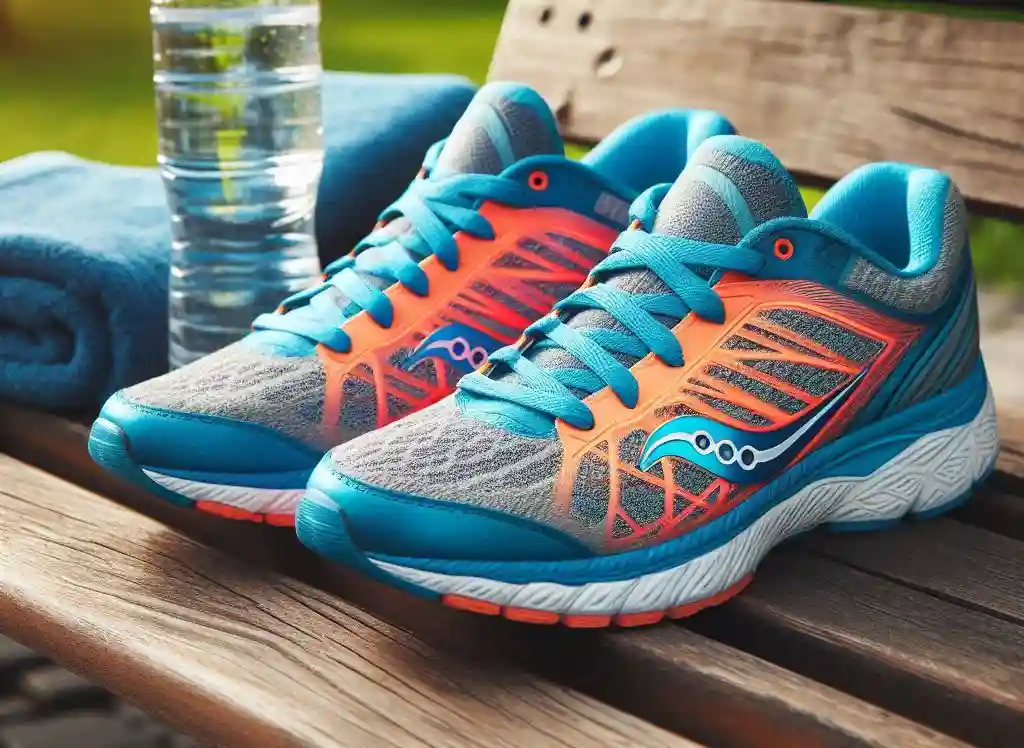
Support
- Saucony: Offers a wide range of support features, including:
- PWRTRAC technology for a more efficient stride
- Support Frame for added stability
- EVERUN topsole for a smooth heel-to-toe transition
- Models like the Guide and Omni for runners with high arches or plantar fasciitis
- Adidas: Provides support through:
- Boost cushioning for shock absorption and energy return
- Continental Rubber outsole for traction and durability
- Models like the Supernova and Adizero for runners with neutral to high arches
Stability
- Saucony: Known for their stability features, including:
- Offset lacing system for a more secure fit
- Supportive heel counter for added stability
- Models like the Freedom and Liberty for runners with mild to moderate overpronation
- Adidas: Offers stability through:
- Boost cushioning for a smooth ride
- Torsion system for a more stable heel-to-toe transition
- Models like the Adizero and Solarboost for runners with neutral to mild overpronation
Traction and Grip: Which Shoe Stack Up for Hiking?
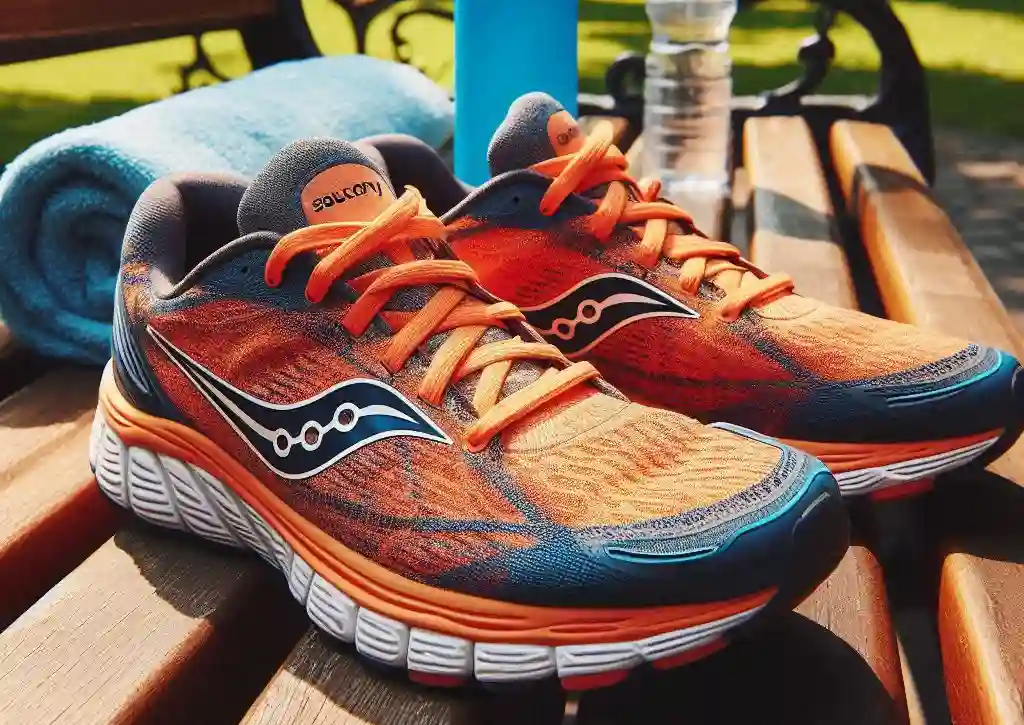
Traction
- Saucony: Features:
- PWRTRAC technology for a more efficient stride and better traction
- XT-900 outsole for durability and grip on various surfaces
- Aggressive tread pattern for better grip on trails and uneven terrain
- Adidas: Offers:
- Continental Rubber outsole for exceptional grip and durability
- Unique tread pattern for better traction on various surfaces
- Boost cushioning for added responsiveness and traction
Grip
- Saucony: Provides:
- Deep grooves and lugs for better grip on trails and uneven terrain
- Aggressive tread pattern for improved grip on wet and slippery surfaces
- XT-900 outsole for added grip and durability
- Adidas: Features:
- Unique tread pattern for better grip on various surfaces
- Continental Rubber outsole for exceptional grip and durability
- Boost cushioning for added responsiveness and grip
Weight and Responsiveness: The Verdict Both The Shoes
Weight
- Saucony: Generally heavier due to their focus on support and stability, with weights ranging from 10-12 oz (280-340g) for men’s shoes and 8-10 oz (225-280g) for women’s shoes.
- Adidas: Typically lighter, with weights ranging from 8-10 oz (225-280g) for men’s shoes and 6-8 oz (170-225g) for women’s shoes.
Responsiveness
- Saucony: Offers a more substantial and supportive ride, which can make them feel less responsive than Adidas. However, their EVERUN topsole and PWRTRAC technology provide a smooth heel-to-toe transition and a responsive feel.
- Adidas: Features Boost cushioning, which provides exceptional energy return and a highly responsive feel. Adidas shoes are known for their springy and lively ride, making them a great choice for runners who prioritize responsiveness.
Breathability and Ventilation: Keeping Your Feet Cool and Dry
Breathability
- Saucony: Features:
- Lightweight and breathable upper materials for optimal airflow
- Mesh panels for ventilation and moisture management
- FlexFilm overlays for added support and breathability
- Adidas: Offers:
- Lightweight and breathable upper materials for optimal airflow
- Mesh panels and ventilation zones for moisture management and cooling
- Adaptive materials that adjust to your foot’s temperature and humidity
Ventilation
- Saucony: Provides:
- Strategically placed ventilation zones for optimal airflow
- Breathable tongue and collar for added ventilation
- Lightweight and breathable materials for moisture management
- Adidas: Features:
- Ventilation zones and mesh panels for optimal airflow and moisture management
- Adaptive materials that adjust to your foot’s temperature and humidity
- Lightweight and breathable upper materials for optimal ventilation
Durability and Longevity: Which Shoe Will Last Longer?
Durability
- Saucony: Features:
- High-quality materials and construction for added durability
- XT-900 outsole for exceptional durability and traction
- PWRTRAC technology for a more efficient stride and reduced wear
- Adidas: Offers:
- Continental Rubber outsole for exceptional durability and traction
- Boost cushioning for added durability and responsiveness
- High-quality materials and construction for added durability
Longevity
- Saucony: Known for their:
- Long-lasting midsoles and outsoles
- Durable upper materials and construction
- Ability to withstand high-mileage running and heavy use
- Adidas: Features:
- Long-lasting Boost cushioning for added durability
- Durable upper materials and construction
- Ability to withstand high-mileage running and heavy use
Style and Aesthetics: Which Shoe Looks and Feels Better?
Style
- Saucony: Offers:
- Sleek and modern designs with a focus on performance
- Bold color schemes and striking visual elements
- Unique lacing systems and upper materials for added visual interest
- Adidas: Features:
- Iconic three-stripe design and classic silhouettes
- Bold and vibrant color schemes with a focus on fashion
- Collaborations with celebrities and fashion brands for limited-edition designs
Aesthetics
- Saucony: Known for their:
- Sleek and streamlined silhouettes
- Premium materials and construction for a high-quality look and feel
- Attention to detail in their design and craftsmanship
- Adidas: Offers:
- Timeless and iconic designs that blend style and performance
- High-quality materials and construction for a premium look and feel
- Innovative designs and collaborations that push the boundaries of fashion and sport
The Final Step: Which Shoe Reigns Supreme in Our Head-to-Head Comparison?
Saucony
- Strengths:
- Excellent support and stability features
- High-quality materials and construction for durability
- Great for runners with high arches or plantar fasciitis
- Weaknesses:
- Generally heavier than Adidas shoes
- Less responsive and springy than Adidas shoes
Adidas
- Strengths:
- Exceptional responsiveness and energy return
- Lightweight and breathable designs
- Iconic and stylish designs with a focus on fashion
- Weaknesses:
- Less supportive and stable than Saucony shoes
- May not be suitable for runners with high arches or plantar fasciitis
The Verdict
- If you prioritize support and stability, Saucony might be the better choice.
- If you prioritize responsiveness and fashion, Adidas could be the way to go.
- Ultimately, the choice between Saucony and Adidas depends on your personal preferences, running style, and needs.
FAQs
Q: Which brand is better for runners with high arches?
A: Saucony is generally considered better for runners with high arches due to their supportive and stable designs.
Q: Which brand is better for runners who prioritize responsiveness?
A: Adidas is generally considered better for runners who prioritize responsiveness due to their Boost cushioning and energy-returning technology.
Q: Are Saucony shoes more durable than Adidas shoes?
A: Both brands offer durable shoes, but Saucony’s XT-900 outsole and PWRTRAC technology might give them a slight edge in terms of durability.
Q: Which brand has more stylish and fashionable designs?
A: Adidas is often considered more fashionable and stylish, with iconic designs and collaborations with celebrities and fashion brands.
Q: Can I wear Saucony shoes for casual jogging or walking?
A: Yes, Saucony shoes can be worn for casual jogging or walking, but they might be more supportive and stable than necessary for low-impact activities.
Q: Are Adidas shoes suitable for trail running?
A: While Adidas shoes can be worn for trail running, they might not be as suitable as Saucony shoes due to their more aggressive tread patterns and support features.

Mia Smith is the founder of Shoe Storyteller, a blog that celebrates the art and stories behind shoes. With a passion for fashion and a flair for storytelling, Mia brings a unique perspective to the world of footwear.