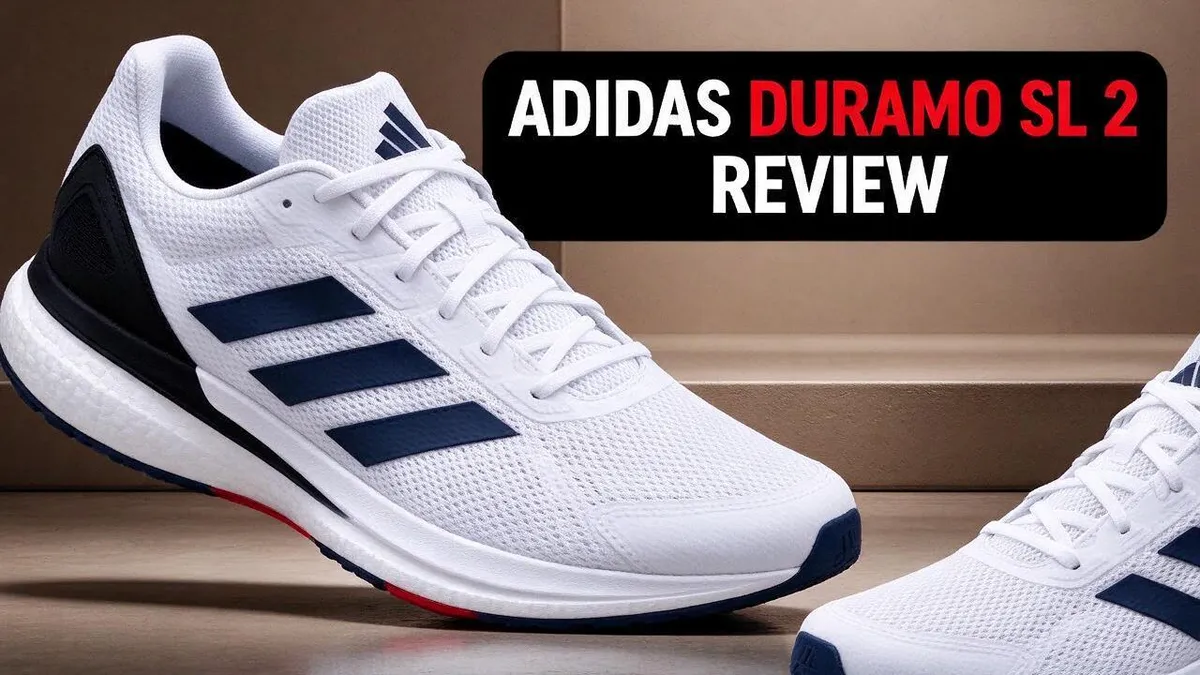
adidas Duramo SL 2 Review: Comfort, Fit, Durability and Who It Suits
Looking for a running shoe that feels light from the first step? The adidas Duramo SL 2 might be the answer. It is a popular daily trainer that many runners reach for every morning.
This shoe offers a breathable mesh upper that keeps your feet cool. Its full length LIGHTMOTION midsole adds a soft, springy ride. The durable Adiwear outsole also grips the road well.
Many runners praise its comfort and versatility. It works for short runs, errands, and long days on your feet. Still, it has a few limits worth knowing before you buy.
In this review, we break down how it fits, how it feels, and who it suits best. You will also learn where it falls short. By the end, you will know if this shoe belongs in your rotation.
In a Nutshell
-
Firmer ride: The midsole feels firmer than higher-end Adizero models. Runners who love plush cushioning may want to test the feel first.
-
Shorter distance focus: This shoe fits short and medium runs best. Very long miles may leave your legs wanting more support and cushioning.
-
No speed package: The shoe has no carbon plate. Fast interval sessions and race day efforts call for a different pair.
-
Wide foot warning: The snug midsole can feel tight on wide feet. Try the shoe on in person when possible to check the width and comfort.
-
Sibling option: The adidas Duramo Speed 2 shares the same family line. Comparing both models side by side helps you pick the right match for your stride.
-
Faster alternatives: The adidas Adizero SL2 suits runners who want more pace. Consider it if speed training sits at the top of your list and you want a sharper feel.
Cushioning and Ride Feel

- Men's lightweight running shoes for short-to-mid distance training
- Weight: 10.3 ounces (size 9); Midsole drop: 9 mm (heel 33 mm / forefoot 24 mm)
- LIGHTWEIGHT COMFORT: Synthetic and textile mesh upper offers breathable durability

Last update on 2026-11-05 / Affiliate links / Images from Amazon Product Advertising API Some of the links on this website are affiliate links, which means that at no additional cost to you, I earn a commission if you click through and make a purchase. I only recommend products and services that I believe will add value to my readers. Thank you for your support!
Cushioning sets the tone for every run in the adidas Duramo SL 2. You feel it from the first step. The midsole covers the full length of the shoe, so your foot lands on a steady base.
Soft enough for easy days. On relaxed runs, the cushion feels calm and forgiving. Your legs get a gentle buffer when your pace stays low and your breathing stays easy.
Less spring than a race shoe. This shoe does not bounce back like a racing model. Each stride feels grounded and controlled instead. Some runners like that stable feel, while others want more energy return.
The transition from heel to toe feels smooth. The foot rolls forward without much effort, which keeps the pace relaxed over time.
Good for steady miles. Once you settle into a rhythm, the cushion fades into the background. Many runners forget about their shoes after a few kilometers. That quiet comfort is the real strength here.
Cushioning is not just about softness. It also affects how well the shoe handles each landing. The Duramo SL 2 aims for a balance, so you get comfort without a mushy feel.
Tired legs notice the difference. Late in a run, cushioning matters more. The Duramo SL 2 keeps impact soft when your form starts to slip. That support helps you finish strong without extra strain.
Many runners want a shoe that feels light and cushioned at once. This model fits that goal well for daily miles.


Last update on 2026-04-11 / Affiliate links / Images from Amazon Product Advertising API Some of the links on this website are affiliate links, which means that at no additional cost to you, I earn a commission if you click through and make a purchase. I only recommend products and services that I believe will add value to my readers. Thank you for your support!
Test the feel on your usual route. Road surfaces show how the ride responds to your stride. Pay attention to how your shins and heels feel after the first few miles.
Tip for first runs. Wear the shoe for short jogs during the first week. Notice how your calves, knees, and feet respond. Your body will show you if the cushion suits your stride.
Upper Design and Breathability
The upper sets the first impression. When you slide your foot in, the upper decides how the shoe feels from the start. The mesh stretches a little around the forefoot, so the fit feels natural rather than stiff.
Airflow matters most on warm days. Mesh panels let heat escape instead of trapping it near your skin. Your feet stay drier during longer sessions, which helps prevent the hot spots that build up when sweat has nowhere to go.
Ventilation works best with the right socks. Thin, moisture wicking socks pair well with this upper. Thick socks can crowd the mesh and reduce the airflow you came for.


Last update on 2026-04-11 / Affiliate links / Images from Amazon Product Advertising API Some of the links on this website are affiliate links, which means that at no additional cost to you, I earn a commission if you click through and make a purchase. I only recommend products and services that I believe will add value to my readers. Thank you for your support!
The toe box deserves attention. Room at the front lets your toes spread during each stride. Good toe space also reduces rubbing on long efforts, which keeps your feet comfortable as the miles add up.
Heel security comes from the upper too. A structured heel area holds the back of your foot in place. This keeps your heel from slipping during easy jogs, even when the mesh feels soft and airy.
Lacing gives you control. The laces run across a clean panel of the upper. Tightening them evenly spreads pressure across the top of your foot. Try a few different lacing patterns to find the snugness that suits your foot shape.
Rain and damp weather change the picture. Mesh dries quickly after a shower, but it lets some water pass through. Runners who train in wet conditions may want a lighter sock or a separate waterproof layer for those days.
Look closely at the details. Stitching sits flat against the skin. Overlays add structure without adding bulk. Together, these choices make the upper feel tidy, practical, and easy to wear from morning to night.
Test the upper in a warm room first. Put the shoe on for ten minutes indoors. Notice whether any seam rubs or any area feels tight before you head out for a run.
Outsole Grip and Durability
The outsole does quiet work on every run. In the adidas Duramo SL 2, durable Adiwear rubber covers the bottom of the shoe. It is built for paved roads and daily miles.
Grip matters most when conditions change. Dry pavement feels secure under your feet. Wet streets and painted crosswalks ask more from any tread, so stay alert on slick days.
The outsole works best on smooth, paved surfaces. Gravel paths and dirt trails are not its strength. Use this shoe where the road stays clean and firm.
Rubber placement also shapes how each step feels. Good coverage under the forefoot helps you push off with confidence. The outsole focuses on the areas that take the most force during a run.
Wear patterns tell a story about your stride. Most runners wear down the heel area first. Check the rubber every few weeks so you can spot uneven wear early.
Durability depends on how you use the shoe. Rotating between two pairs gives the foam time to recover. Also, keep the shoes away from hot cars and direct sun, because heat can weaken rubber over time.
Cleaning helps the outsole last longer. Rinse off mud and small stones after each run. Let the shoes dry at room temperature, not near a heater.
Many runners expect rubber to last forever, but that is not realistic. Look for flat spots, smooth patches, or small cracks. When the tread looks worn down, it may be time for a new pair.
Overall, the Adiwear outsole gives dependable grip for everyday road running. It handles steady miles well. Choose this shoe if you run mostly on pavement and want a grippy base that lasts.
Top 3 Alternatives
Looking for a different daily trainer? These three picks offer a similar comfortable ride. Each one brings something useful to the table for everyday runners.
Nike Revolution 7
No products found.
The Nike Revolution 7 is a light and easy running shoe. It suits beginners and casual runners who want a comfy option for everyday miles. Its soft foam midsole keeps each step feeling smooth.
The breathable mesh upper keeps your feet cool on short runs. It also feels flexible, so your foot can move naturally from heel to toe.
ASICS Gel-Contend 8

- Engineered mesh upper: A lightweight, breathable mesh material helps reduce the need for additional...
- Rearfoot GEL technology: Shock-attenuating material placed in the midsole of the shoe for cushioning...
- AMPLIFOAM PLUS cushioning: Midsole cushioning that provides a softer and more comfortable ride than...
Last update on 2026-11-05 / Affiliate links / Images from Amazon Product Advertising API Some of the links on this website are affiliate links, which means that at no additional cost to you, I earn a commission if you click through and make a purchase. I only recommend products and services that I believe will add value to my readers. Thank you for your support!
The ASICS Gel-Contend 8 focuses on steady support. Many runners enjoy its stable fit during longer training days. The rearfoot cushioning absorbs impact well.
Its flexible outsole helps your foot roll through each stride. The padded collar also adds comfort around your ankle, so the shoe feels secure from start to finish.
Saucony Ride 17

- NEUTRAL CUSHIONING
- PWRRUN+
Last update on 2026-11-01 / Affiliate links / Images from Amazon Product Advertising API Some of the links on this website are affiliate links, which means that at no additional cost to you, I earn a commission if you click through and make a purchase. I only recommend products and services that I believe will add value to my readers. Thank you for your support!
The Saucony Ride 17 offers a plush and balanced feel. It works well for road running, treadmill sessions, and gym workouts. Its cushioning feels springy without feeling too soft.
The secure heel grip keeps your foot locked in place during every stride. Many runners find this shoe a reliable choice for daily training.
Each of these shoes fits a different type of runner. Try them on, walk around, and see which one feels right for your feet.
Fit and Sizing for Wide and Narrow Feet
Getting the size right matters more than many buyers expect. Foot width can change how the shoe feels from the first step. A fit that works for one runner may pinch another.
Start with a simple measurement at home. Stand on a sheet of paper, trace your foot, and measure both the length and the width. Compare those numbers with the adidas size chart before you choose a size. Measure in the afternoon, because feet often grow slightly during the day.
Wide feet need extra attention with this model. The midsole feels tighter than many runners expect, so pressure can build across the middle of the foot. Try the shoe late in the day, when your feet have swelled a little. This timing gives a more honest picture of how the shoe will feel on longer runs.
Many people with wide feet find that a half size up helps. A half size adds extra width and room without making the shoe feel too long. Walk a few steps in each size and notice which one lets your foot settle without any squeezing.
Narrow feet often feel settled from the first step. However, extra space can let the foot shift inside the shoe. A thicker insole can fill some of that extra volume and keep the foot in place. Swapping the stock insole is a simple change that can improve the fit for narrow feet.
Test both sizes in a store if you can. Walk for a few minutes, then try quick stops and short bursts of speed. Pay attention to rubbing on the sides of the foot or pressure on the top of the foot. Those signs often show up before the shoe causes real discomfort.
Comparing sibling models also helps. The Duramo Speed 2 shares a family resemblance with this shoe, so trying both side by side shows which fit suits your foot best. Fit guides can point you in the right direction, but they never replace trying the shoe on.
Finally, check the fit after a short run. Feet swell during exercise, so a shoe that feels fine in the store may feel different after a few kilometers. If the shoe still feels comfortable after that test, it will likely work well for daily training. Trust how your feet feel more than the size chart alone.
Suitable Running Distances and Workouts
The Duramo SL 2 works best for everyday mileage. Most runners find it suits short and medium distances with ease. Think of it as your main shoe for regular training.
Easy runs are the sweet spot. Short jogs around the neighborhood feel smooth and light. A relaxed pace lets the shoe do its job.
Many runners use it for 5K and 10K training. These distances keep the ride comfortable from start to finish. The shoe handles steady effort without fuss.
Half marathon training needs more thought. The shoe feels firmer than higher end Adizero models, so very long runs can feel less comfortable. Save the longest efforts for a softer option.
Recovery days also suit this shoe. A gentle run after a hard session keeps your body moving without strain. Keep the pace slow and relaxed.
Speed work is not its strength. The lack of a carbon plate means fast intervals feel less responsive. Save those sessions for a lighter racing shoe.
Daily training is where this model shines. Many runners rotate it with a second pair across the week. Rotation gives your shoes time to bounce back between runs.
Plan your week with care. Use it for two or three easy sessions. Add a faster or longer run in a different pair.
Track your mileage in this pair. Watch how the shoe feels after several hundred kilometers. Your legs will show you when it is time for a change.
Comfort on a long day is personal. Some runners feel fine at ten kilometers, while others want a break sooner. Listen to your body and adjust.
Beginners often start with this shoe. Its comfortable feel helps new runners build a routine. Keep early runs short and steady.
Short runs build confidence over time. Each session adds miles without pressure. Your pace will improve as your fitness grows.
Pros and Cons
Pros
- Lightweight feel for all day wear
- Breathable mesh upper keeps your feet cool and fresh
- Full length LIGHTMOTION midsole adds a smooth ride
- Works well as a daily trainer for many runners
- Comes in 8 colorways to match your style
Cons
- Firmer feel than the Adizero models
- Midsole can feel tight for some runners
- Not the top pick for very long runs
- Lacks a carbon plate for a livelier stride
Who Should Buy It
This shoe suits a certain kind of runner. If you want one pair that handles most days, it may be your match.
Busy people often need one shoe for many jobs. This model moves from a morning jog to a quick errand without fuss.
Casual runners who log a few relaxed miles each week also benefit. You do not need a race day shoe to enjoy your routine.
Travelers who pack light can gain from this pair too. One set of shoes can cover a hotel gym, a morning run, and a long walk through a new city.
Commuters who walk or jog to work often want a shoe that feels easy. This model keeps each step feeling calm, even on a busy day.
New gym goers who mix cardio with light strength sessions may like it as well. Its steady road base gives a stable feel during simple routines.
Think about your goals before you buy. A shoe should match how you actually train, not how you hope to train one day.
Runners switching from heavier trainers often notice a change right away. The lighter build can make steady runs feel less tiring over time.
Shoe rotators can also use this pair well. Many runners keep one model for easy days and another for hard sessions.
If your plans include races or fast workouts, look at faster options first. Save this pair for the days when comfort matters most.
Ask yourself how many days each week you run. Your answer will show whether a daily trainer fits your needs.
Honest goals lead to happy miles. You will enjoy the shoe more when it matches your plans.
Final tip: Read your own goals first. Then decide if this shoe fits your daily life.
Final Verdict
The adidas Duramo SL 2 earns a solid spot in the running lineup. It works as a steady, dependable shoe for everyday miles.
Think of it as a reliable partner, not a race machine. It shines when you want predictable comfort. It does not chase top speed, and that is part of its appeal.
Within the adidas range, this model sits in a middle position. Faster Adizero shoes sit above it. The Duramo Speed 2 stands close by as another option. Each choice serves a different kind of runner, so the lineup offers room to grow.
Who should say yes? Runners who want one shoe for most days will feel at home here. People who prefer a relaxed, forgiving ride also tend to feel happy with it. Many of them keep it in rotation for months.
Who should look elsewhere? Anyone chasing personal bests or fast intervals may feel shortchanged. A different model will likely suit those goals better. Honest expectations lead to happier training.
Your running goals matter more than any single review. Ask yourself whether you need speed, distance, or steady daily comfort. The answer points you toward the right shoe.
Runners with wider feet should take extra care with sizing. Trying a pair on at the end of the day can reveal how the fit really feels. Walk around for a few minutes before you decide.
Our honest bottom line: The Duramo SL 2 delivers dependable everyday performance without fuss. It may not wow you on paper. It will likely earn your trust over many weeks of training.
Your next run starts with the right choice. Choose this shoe when you want a calm, consistent partner for the miles you already love.
Frequently Asked Questions
Is the adidas Duramo SL 2 good for walking?
Yes, it can work well for walking. The light build and soft mesh upper keep each step easy. Many people wear it for quick city trips between runs.
How does the outsole handle paved roads?
The Adiwear outsole is made for road grip. It keeps your steps steady on sidewalks, bike paths, and city streets. Wet surfaces still call for care, especially on quick turns.
Can I use this shoe on trails?
No, this shoe is built for roads, not trails. Loose dirt, mud, and rocks need a shoe with a more rugged grip. Choose a trail model if most of your runs happen off road.
How does it compare with the Duramo Speed 2?
The Duramo Speed 2 is a sibling model with a faster focus. The Duramo SL 2 suits steady, relaxed miles more. Pick the model that matches how you plan to run most often.
Should I look at the Adizero Evo SL instead?
The Adizero Evo SL has a similar fit. It may appeal to you if you like this feel and want a different build. Try both shoes on and compare how they feel on your feet.

Mia Smith is the founder of Shoe Storyteller, a blog that celebrates the art and stories behind shoes. With a passion for fashion and a flair for storytelling, Mia brings a unique perspective to the world of footwear.