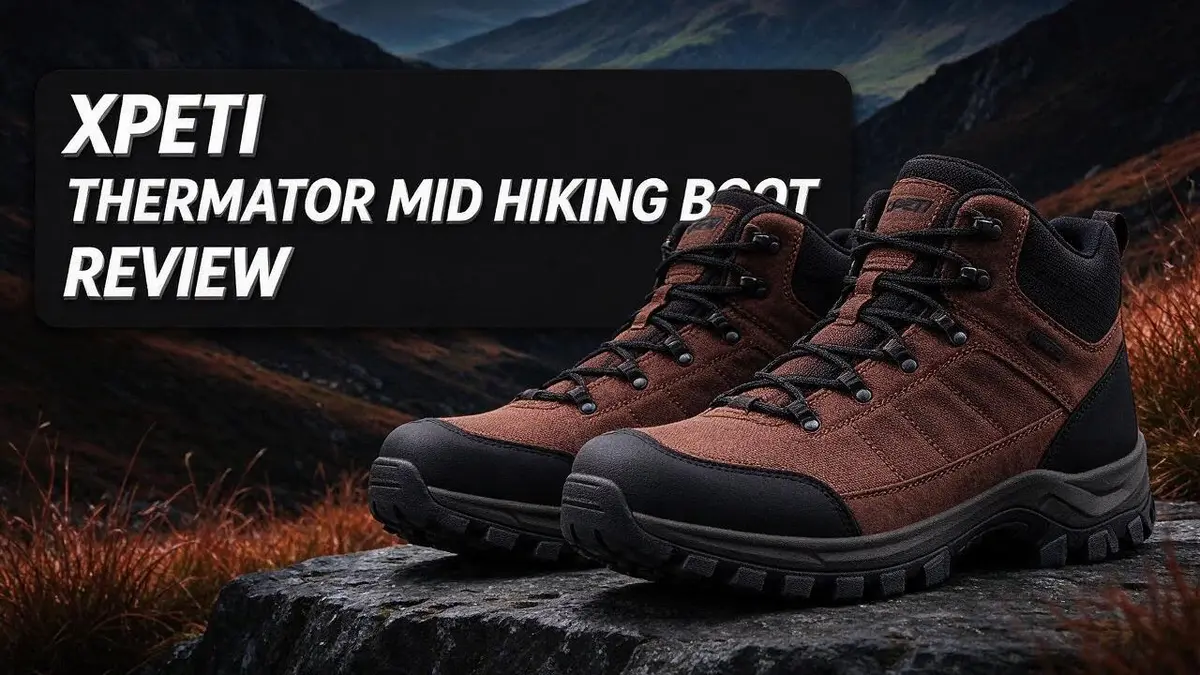
XPETI Thermator Mid Hiking Boot Review 2026: Value for Money?
Finding the right hiking boot can feel confusing. You want dry feet, solid grip, and comfort on long trails. The XPETI Thermator Mid Hiking Boot aims to deliver all three.
Here is what stands out. The boot has a waterproof mesh upper with a membrane. It keeps feet dry in mud and snow. The outsole grips well on wet and rocky ground.
Many hikers also like the cushioned footbed. Users report that the boot feels comfortable and durable. Still, some reviewers say it feels heavy, and ankle support is limited.
In this review, you will learn how the boot performs on real trails. We also compare it with the NORTIV 8 and the Columbia Transverse Hike. Let’s take a closer look.
In a Nutshell
-
Built for wet and cold trails: Snow and mud feel less harsh in this boot. Users report that their feet stay dry.
-
Grip that holds on slippery ground: The outsole bites well into loose dirt and muddy paths. Traction is one of its clearest strengths.
-
A wide fit for many feet: The roomy shape suits people who find standard boots tight in the toes.
-
Weight is the main trade off: Some reviewers say the boot feels heavy. This goes against the lightweight label on the listing.
-
Ankle support is a mixed bag: The molded frame helps, but some hikers want more stability on rough, rocky terrain.
-
Best for short day hikes: The boot works well on easy trails and quick trips. Heavy loads or long treks may call for a sturdier pair.
Build and Materials

- Waterproof & Protection: Women hiking boots features Hydroshield Membrane waterproof mesh upper that...
- 200 Grams Thinsulate Insulation for -13°F, providing excellent warmth in extreme cold. Integrated...
- Advanced Technology: Integrated EVA midsole for superior cushioning. Flexible MD midsole reduces...
Last update on 2026-11-10 / Affiliate links / Images from Amazon Product Advertising API Some of the links on this website are affiliate links, which means that at no additional cost to you, I earn a commission if you click through and make a purchase. I only recommend products and services that I believe will add value to my readers. Thank you for your support!
The build of the XPETI Thermator Mid shows how each material does its job. Let’s look at what goes into this boot.
The boot uses vegan materials instead of leather. Some hikers prefer this choice for ethical reasons.
The ankle collar uses molded TPU. This firm frame wraps around the heel and lower leg. It gives the boot its structure and helps the foot stay in place.
Inside the boot sits an EVA midsole. EVA is a lightweight foam that softens each step. It cushions the foot on hard trail surfaces.
The insulation adds warmth without much bulk. It holds heat close to the foot during cold mornings. This helps on early starts or chilly ridges.
Each material handles a different job. The outer shell blocks water. The inner lining helps move sweat away from the skin.
Good materials need solid stitching. Check the seams around the toe and heel when the boot arrives. Tight stitching helps the boot last longer.
Simple care keeps the boot in shape. Wipe off mud with a damp cloth. Let the boots air dry away from direct heat, since high heat can weaken glue and foam.


Last update on 2026-04-11 / Affiliate links / Images from Amazon Product Advertising API Some of the links on this website are affiliate links, which means that at no additional cost to you, I earn a commission if you click through and make a purchase. I only recommend products and services that I believe will add value to my readers. Thank you for your support!
Think about your sock choice too. Thin wool socks pair well with the insulation. Thick socks can crowd the toe box.
Break the boot in on short walks first. Early walks let the materials soften and bend with the foot.
Materials also shape how the boot feels in use. A stiff collar can rub at first, so watch for hot spots. Address them early with a bandage or a looser lacing.
Think about where you will hike most. Muddy trails and cold mornings need different features than dry, warm paths. Matching the build to your routes makes the boot feel right.
Waterproofing and Insulation
Water resistance and waterproofing are not the same thing. Light rain and wet grass are easy for this boot. Deep stream crossings are a different challenge.


Last update on 2026-04-11 / Affiliate links / Images from Amazon Product Advertising API Some of the links on this website are affiliate links, which means that at no additional cost to you, I earn a commission if you click through and make a purchase. I only recommend products and services that I believe will add value to my readers. Thank you for your support!
Mesh uppers breathe well. That airflow helps on warm days. However, water can still enter over the top of the collar when you step into deep puddles. Keep this in mind before crossing creeks.
Snow brings a different risk. Fresh powder can slip over the collar and melt against your skin. Gaiters add a useful extra barrier on deep snow days.
Insulation matters most when you stop moving. Your feet cool down quickly during lunch breaks or cold mornings. A warm lining keeps your toes comfortable while you rest.
Insulated boots can also trap heat. On mild days, feet may feel damp inside. Unlace the boots during breaks to let warm air escape.
Warmth depends on fit. A tight boot squeezes the lining and reduces the air pocket that holds heat. Leave a little room for your toes so the insulation can do its job.
Test the boot at home on a cold day. Walk around the house and note how your feet feel after twenty minutes. This quick check shows whether the warmth suits your climate.
Rain gear and boots work as a team. A waterproof jacket keeps your body dry, which helps your feet stay warm too. Cold core temperatures pull blood away from the extremities.
Dry feet come from good habits too. Let boots air dry at room temperature after a wet hike. Avoid heaters or campfires, since high heat can warp the materials and weaken the glue.
Good waterproofing and insulation work best together. Pick this boot for cool, wet seasons. Plan your route with the weather in mind. Use lighter footwear for hot and dry summer trails.
Comfort and Fit
When you try on this boot, aim for a snug fit. Test it in the afternoon. Feet swell during the day, so this timing helps you choose the right size.
Heel hold matters on uneven ground. Lace the boot firmly and check that your heel stays put.
If the heel lifts with each step, blisters often follow. Tighten the laces again before you hike.
The cushioned footbed feels soft right away. Many people with high arches still want their own insole.
Flat feet may need extra support on long walks. Try the boot with your usual insoles first.
Walk downhill before you commit. Your toes should stop just short of the front.
If your toes press against the front, the size may run small for you.
Lacing changes the feel more than many people expect. Use the top eyelets to lock the ankle area in place.
This method cuts pressure on the top of the foot. It also keeps the heel steady on steep climbs.
The collar may feel stiff at first. Expect light rubbing on the ankle during early walks.
Check the sides of your feet after each trip. Redness that fades quickly is normal.
Redness that lingers means the fit needs a change. Loosen the laces or try a different size.
Tilt your foot sideways on a slope. Your foot should feel secure, not pushed toward the edge.
Load your daily pack before testing the fit. Extra weight can shift the heel and push the toes forward.
Longer days need regular rest stops. Loosen the laces at each break so your feet can breathe and relax.
Your feet deserve a few minutes of attention before each hike. A quick check saves hours of discomfort on the trail.
Comfort grows with time and smart adjustments. Trust your feet more than the size chart.
Top 3 Alternatives
Merrell Moab 3

- Pig suede leather and breathable mesh upper 100% recycled laces and webbing
- Bellows tongue keeps out debris Protective and abrasion resistant rubber heel and toe cap...
- Kinetic Fit ADVANCED removable contoured footbed with reinforced heel cushioning for medium support...
Last update on 2026-11-10 / Affiliate links / Images from Amazon Product Advertising API Some of the links on this website are affiliate links, which means that at no additional cost to you, I earn a commission if you click through and make a purchase. I only recommend products and services that I believe will add value to my readers. Thank you for your support!
The Merrell Moab 3 is a popular choice for day hikes. It feels light on the feet right away.
The upper uses breathable mesh, so your feet stay cool on warm trails. Many hikers say the grip feels secure on wet rocks and dirt paths.
It works well for beginners who want a simple, comfortable fit. Its cushioned midsole helps reduce fatigue on long walks.
The lacing system holds your heel in place, which prevents rubbing. Some users find the break-in period short, while others need a few trips first.
Columbia Newton Ridge

- ADVANCED TECHNOLOGY: Columbia Men's Newton Ridge Plus II Waterproof Hiking Boot features our...
- HANDY FEATURES: Treacherous days out on the trail are comfortable and worry-free with this boot's...
- ADJUSTABLE FEATURES: The Newton Ridge Plus II Waterproof Hiking Boot features a lace-up closure for...

Last update on 2026-06-09 / Affiliate links / Images from Amazon Product Advertising API Some of the links on this website are affiliate links, which means that at no additional cost to you, I earn a commission if you click through and make a purchase. I only recommend products and services that I believe will add value to my readers. Thank you for your support!
The Columbia Newton Ridge offers a rugged feel for mixed terrain. It has a sturdy rubber outsole that grips loose gravel well.
The waterproof version keeps moisture out during rainy hikes. Its padded collar protects your ankles from rough edges.
This boot suits hikers who want extra support without a heavy build. The leather and synthetic upper handles scrapes from brush.
Many people appreciate the stable platform on steep descents.
Salomon X Ultra 4

- Hiking Shoes: Power through uphills and descents with the updated X Ultra 4; It has the agility of a...
- All Terrain Grip: Equipped with a new chassis, this hiking shoe is better at protecting sensitive...
- Adventure Awaits: Whether you love a local day hike or hitting the trails for a multi-day adventure...
Last update on 2026-11-10 / Affiliate links / Images from Amazon Product Advertising API Some of the links on this website are affiliate links, which means that at no additional cost to you, I earn a commission if you click through and make a purchase. I only recommend products and services that I believe will add value to my readers. Thank you for your support!
The Salomon X Ultra 4 focuses on speed and agility. It has a snug fit that wraps the foot securely.
Its Contagrip outsole performs well on wet and muddy ground. The quick-lace system makes adjustments simple, even with gloves on.
This option fits people who like fast-paced hiking on varied trails. The toe area is protective and durable.
Some hikers say the fit runs narrow, so trying a half size up can help.
Traction and Terrain Performance
The outsole does most of the work on the trail. It uses a high traction design that bites into soft dirt and loose gravel. Many hikers find it steady on damp forest paths.
Grip on wet surfaces matters just as much. Mud and wet leaves can make a smooth sole slide fast. This outsole gives a firm contact with the ground, so each step feels planted.
Traction also helps on slopes. Going uphill, the lugs grab the soil and push you forward. Going downhill is where the grip really gets tested. Keep your steps short and controlled.
Reviewers describe the traction as decent rather than exceptional. That matters on steep rock or icy patches. A boot with deeper lugs may hold better there. Choose your trails with that in mind.
The mid height cuff plays a role on uneven ground. It offers limited ankle support, so a twisted ankle remains a concern on rocky paths. Slow down when the trail turns loose or tilted.
Weight changes how the outsole performs over long days. Reviewers say the boot feels heavy, which can tire your legs. Tired legs often lead to less precise foot placement. Lighter rest breaks and steady pacing help you stay sure footed.
Snow and slush bring a different test. The outsole bites into packed snow well enough for casual walks. Icy sections still call for extra care. Pick your route with good sense and move at a calm pace.
Dry rock and packed dirt feel different underfoot. The sole grips firm surfaces well, though smooth wet stone can still feel slick. Test the grip on a short local loop before a long trip.
Overall, the traction suits day hikes on mixed trails. It handles mud, gravel, and light snow with confidence. Rocky scrambles and steep ice need a sturdier option. Match the boot to the terrain you face most often.
Durability and Care
Good care keeps the XPETI Thermator Mid working for many seasons. Simple habits protect the upper, the sole, and the ankle support. Start with a quick check after every trail day.
Mud and grit wear down the mesh fabric over time. Knock off dried dirt with a soft brush. Rinse the boot with cool water when needed.
Avoid hot water, washing machines, and direct heat. Heat can warp the TPU ankle cup and soften the glue. Keep the boot away from fireplaces and car heaters.
Check the seams and stitching each month. Look for loose threads near the toe cap and heel. Small repairs early prevent bigger tears later.
Use a damp cloth on the ankle collar after each trip. Salt and sweat build up there quickly.
Mesh uppers can snag on brush and rock edges. Look for small holes or frayed edges. A patch or seam sealer can stop a small tear from growing.
The EVA midsole packs down with thousands of steps. Over time it may feel flatter underfoot. If the footbed loses its bounge, consider replacing the insoles.
Pull the insoles out after each hike and let them dry separately. Sweat and damp dirt can cause odor and wear faster inside the boot.
Store the boots loosely laced in a cool, dry place. Stuffing them with newspaper helps them keep their shape. Avoid sealing them in plastic bags while they are still damp.
Rotate pairs when you hike often. Two pairs let each boot dry fully between trips. This habit also extends the life of the sole and lining.
Reapply the water repellent when water stops beading on the upper. A spray made for synthetic fabrics works well. Test a small area first.
Replace the boots when the sole tread looks smooth or the ankle feels loose. Worn outsoles lose grip on wet rock and slopes. Your feet deserve a safe base.
Pros and Cons
Pros
- Keeps feet dry in mud and snow
- Uses vegan materials for plant friendly hikers
- Offers a wide fit for broader feet
- Users report it feels comfortable and durable
- Moisture wicking lining helps feet stay fresh
Cons
- Feels heavy on long days
- Ankle support is limited on rough ground
- Insulation can feel warm in summer weather
Who Should Buy It
The XPETI Thermator Mid suits hikers who face wet and cold conditions. Muddy paths and snowy trails can soak ordinary shoes fast. This boot keeps feet dry, so long walks feel far more pleasant.
New hikers often want one boot that handles many situations. This model works well for day trips on mixed ground. It gives a solid starting point without much fuss.
Winter walkers and snow lovers get the most from it. The insulated build holds warmth when temperatures drop. Cold toes can ruin a hike, so this matters.
Dog owners who walk in parks after rain may also like it. Wet grass and deep puddles stay out of the upper. Shoes stay drier after each walk, so the drive home feels less messy.
People who want strong ankle support should look elsewhere. The molded cup helps a little, but rough trails call for more structure. Compare options like the NORTIV 8 or Columbia Transverse before you decide.
Those who dislike heavy footwear may hesitate. Some reviewers say the boot feels heavy. That claim conflicts with the lightweight listing, so try it on first. Long days will show how much weight matters to you.
Hikers who want one simple boot for many trips will likely feel at home. The style suits casual walks and steady trails alike. Choose it when reliable water protection sits at the top of your list.
A quick test at home helps most. Wear the boots on stairs and slopes indoors. Walk for ten minutes and check for rubbing. Wear the socks you plan to use outdoors, since thickness changes the fit. A good match feels steady from the first step.
In short, this boot fits wet weather walkers best. Beginners and cold season hikers can gain the most from it. Those who need heavy duty support should compare other models first.
Final Verdict
The XPETI Thermator Mid earns a strong place on any hiker’s shortlist for wet and cold days. It keeps feet dry and stable on mixed ground.
Think of it as a dependable everyday partner rather than a flashy pick. Its strengths show up on muddy paths, slushy trails, and cool autumn walks.
A good fit matters more than any spec sheet. Try the boots on later in the day, when feet swell slightly. Wear the socks you plan to use on the trail.
Break the boots in on short walks first. Give them a few easy outings before a long trek. This reveals any rubbing early, so you can fix it fast.
Compare this boot with other options before you decide. The NORTIV 8 Men’s Ankle High Waterproof Hiking Boots suits shoppers who want a similar build.
The Columbia Men’s Transverse Hike Waterproof leans more toward a focused trail feel. Put each pair side by side to see which one fits your routine.
Choose this boot for mixed weather and steady hiking. It works well for day hikes, dog walks, and winter outings. Skip it if you carry very heavy loads.
Hikers who want one waterproof boot for many seasons will likely feel pleased. The XPETI Thermator Mid delivers dry comfort and dependable grip.
Take a short trial walk before you commit. Your own steps will tell you more than any review ever could.
Think about your usual route too. Flat park paths and gentle forest trails suit this boot well. Steep rocky climbs may call for a stiffer option.
Sock choice also changes the experience. Thin socks can leave feet cold in snow, while thicker wool pairs help keep warmth steady. Test a few combinations on your first hike.
In short, this boot suits everyday trail users who want reliable protection.
Frequently Asked Questions
Is the XPETI Thermator Mid sold in a women’s version?
Yes, a women’s version is available. It stands six inches tall, which covers the ankle well. Check the size chart before you order, since fit matters more than height alone.
How well does the outsole grip on wet ground?
The outsole offers decent traction on damp paths. Many hikers feel steady on muddy slopes and grassy hills. Grip can drop on wet rock, so take slower steps there.
Can I wear these boots for city walks or travel?
Yes, they work well for travel days. The waterproof build helps when rain shows up without warning. The boots also handle long stretches of hard pavement, so they suit sightseeing trips too.
How should I clean mud off the boots?
Let the mud dry first, then brush it off with a stiff brush. Rinse the outsole with plain water and remove any leftover grit. Air dry the boots away from direct heat, since strong heat can dry out the materials over time.

Mia Smith is the founder of Shoe Storyteller, a blog that celebrates the art and stories behind shoes. With a passion for fashion and a flair for storytelling, Mia brings a unique perspective to the world of footwear.