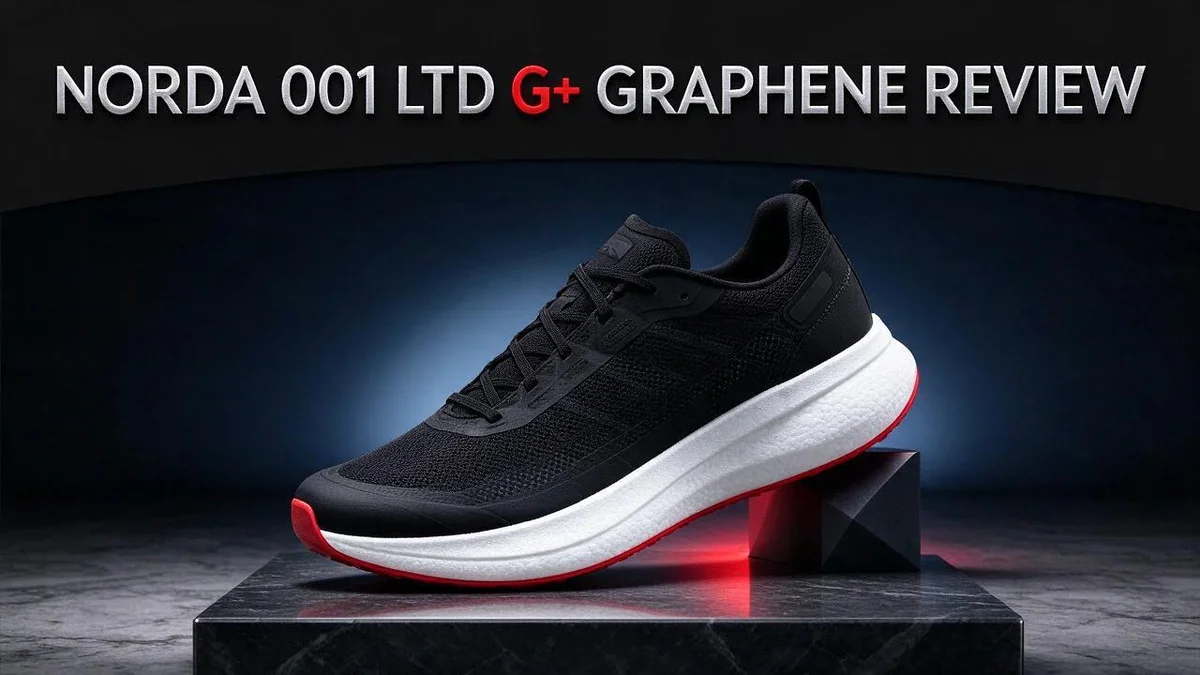
norda 001 LTD G+ Graphene Review: A Comprehensive Guide
Looking for a trail running shoe that feels light and stable? The Norda 001 LTD G+ Graphene may be the answer. Many runners want a shoe that handles rough ground without weighing them down.
This shoe belongs to the Norda 001 family. It is known as the world’s first trail running shoe made with bio Dyneema.
Runners often praise its light feel, stable ride, and strong Vibram grip. Durability also earns good marks from testers.
In a Nutshell
- Made with bio Dyneema: This shoe is often called the world’s first trail running shoe built with bio Dyneema. Runners who care about materials will notice the difference.
- Solid heel height: A 26 mm heel stack and a 5 mm drop give a grounded feel on rocky and uneven paths.
- Durability that lasts: Reviewers praise how well the shoe holds up over many miles of rough terrain.
- Responsive ride: Some testers find it less plush and less responsive than they expected, so it suits runners who want firmness over softness.
- Limited airflow: The upper breathes less than many rivals, which can feel warm on hot summer runs.
- Narrow heel fit: The heel runs narrower than Altra, Topo, and NNormal, so check how your foot feels before committing.
- Size up advice: Many runners suggest going up half a size for extra room and a more comfortable fit.
- Strong competitors: Shoppers often compare it with the Altra Escalante, Topo Magnifly 4, and Inov-8 Trailtalon 235.
Build and Materials

- ✅ADVANCED 2 IN 1 FORMULA – Breakthrough Hybrid Graphene Formula -- A graphene (rGO)-infused...
- ✅ AMAZING 12+ MONTHS PROTECTION – Ethos Resist graphene coating spray works just like Car...
- ✅SAFE FOR ALL SURFACES – Use Resist on cars, boats, motorcycles even UPV windows. Unlike some...
Last update on 2026-11-10 / Affiliate links / Images from Amazon Product Advertising API Some of the links on this website are affiliate links, which means that at no additional cost to you, I earn a commission if you click through and make a purchase. I only recommend products and services that I believe will add value to my readers. Thank you for your support!
Materials shape how a shoe feels from the first step. The Norda 001 LTD G+ Graphene pairs its fiber story with a build made for real trails. Knowing what sits under your foot helps you decide.
The bio Dyneema fiber comes from plant based sources instead of fossil fuels. The fiber is made from sugarcane ethanol, which gives the upper a strong yet light feel. Dyneema is known for its strength and cut resistance. Many runners notice that the material does not add much weight.
Next, look at the outsole. The Vibram rubber bites into wet roots, loose gravel, and muddy climbs. Many runners say the grip stays steady when the trail turns slick.
The graphene name often raises questions. Graphene is a thin layer of carbon that some brands add to improve material performance. Public details on this model are limited, so treat the graphene claim as a feature to test yourself.
Pay attention to the toe area too. Protective overlays help shield your toes when you kick rocks or roots. Run your thumb along the seams and check for loose threads before your first outing.
Care matters for long life. Air dry the shoes at room temperature, and avoid the washing machine. Let them dry away from direct heat sources like radiators. Heat can soften the glue and weaken the bond between layers.
Environmental concerns matter to many buyers too. Plant based materials can lower the footprint of the upper compared with petroleum based options. Still, check the brand’s own sourcing notes for the full picture.
Finally, consider repair. Shoes built with mixed layers can be harder to fix at home. Check whether the brand offers resole or repair services. A shoe that lasts longer saves you trips to the store.
Overall, the build suits runners who value a secure, grippy platform. If your trails are dry and smooth, you may need less protection than rocky routes demand. Match the materials to your terrain for the best results.


Last update on 2026-04-11 / Affiliate links / Images from Amazon Product Advertising API Some of the links on this website are affiliate links, which means that at no additional cost to you, I earn a commission if you click through and make a purchase. I only recommend products and services that I believe will add value to my readers. Thank you for your support!
Cushioning and Ride
The cushioning feels firm rather than soft. Many runners expect a plush landing, but this shoe offers a more direct feel. You notice each rock and root with less padding between you and the trail.
Longer runs show a different side. Early miles feel comfortable, yet fatigue can creep in after a long session. Your legs may feel the ground more as the run goes on.
Rocky descents reward careful footwork. The firm platform helps you place each step. Quick downhill sections feel controlled, but they demand focus. Keep your stride short and light.
The ride suits steady pace running. Easy and moderate efforts feel smooth. Fast surges and sharp turns ask more from your ankles. Think of this shoe as a partner for consistent trail miles.
Foot strike shapes the experience. Heel strikers often feel a firm touchdown at first. Midfoot runners may find the transition smoother and more natural. Your stride decides how much the shoe helps you.


Last update on 2026-04-11 / Affiliate links / Images from Amazon Product Advertising API Some of the links on this website are affiliate links, which means that at no additional cost to you, I earn a commission if you click through and make a purchase. I only recommend products and services that I believe will add value to my readers. Thank you for your support!
Fit affects comfort too. A snug midfoot keeps the foot steady on uneven ground. If the foot shifts, the cushioning feels less effective. Try the shoe on later in the day when feet swell slightly.
Sock choice changes the feel. Thin socks can let small bumps through. Slightly thicker socks add a little comfort on long days. Test your pair on a short run first.
Insoles offer an easy upgrade. Some runners swap the stock insole for extra support. This change can add padding under the arch. Choose a model that matches your foot shape.
Terrain changes the ride. Soft mud softens the feel of the platform. Hard packed dirt makes the shoe feel more stable. Wet roots can feel slick, so slow down when conditions turn.
Final thoughts on comfort. Comfort depends on your goals and body. Give the shoe a few runs before you judge it. Pay attention to small signals during each run. Note any hot spots or pressure points. Your feet will tell you if it works.
Fit and Sizing
Size up by half a size. Many runners who test this shoe suggest going up half a size from your usual fit. This extra space gives your toes room on long downhill runs.
Measure your foot before you buy. Stand up in the evening, when feet swell the most. Trace your foot on paper and measure from heel to longest toe. Compare that length with the brand size chart.
Feet often grow during the day. Long runs and warm weather cause extra swelling. A pair that fits at noon may feel tight at night. Try shoes later in the day for the most accurate result.
Lock the heel with lacing. Use a runner’s loop through the top eyelets. This keeps the heel steady without squeezing the front of your foot. Snug laces help control slipping on steep climbs.
Walk down a flight of stairs in the shoes. Check whether your toes touch the front on each step. Then jog a few steps on flat ground. Watch for any heel slip or rubbing along the sides.
Bring your favorite pair for comparison. Your current shoes show how much room you prefer. Notice whether the new pair feels longer, wider, or deeper. Small differences add up over many miles.
Think about forefoot width. Runners with broad forefeet may find this shoe feels snug across the ball of the foot. Check the width carefully before you commit. A half size up can help create more space.
Give the shoe time to settle. Your foot needs a few short runs to adjust to the firm platform. Early pressure often fades after a few outings. Sharp pinching or numbness means the size needs review.
Wear the shoes for a short trial before race day. Keep the receipt and the packaging nearby. If the fit feels wrong after several runs, you can exchange them. Quick action saves time and frustration.
Final check before you run. Tie the laces, stand tall, and rock forward gently. Your heel should stay put while your toes sit relaxed.
Top 3 Alternatives
Hoka Speedgoat

- Amping up the energy return with a new SCF midsole, the GOAT is more responsive than ever. This...
- Lay-flat tongue with dual gusset
- Lightweight RPET woven textile
Last update on 2026-11-10 / Affiliate links / Images from Amazon Product Advertising API Some of the links on this website are affiliate links, which means that at no additional cost to you, I earn a commission if you click through and make a purchase. I only recommend products and services that I believe will add value to my readers. Thank you for your support!
If you want a shoe that grips well on rough ground, the Hoka Speedgoat is a strong pick. It has thick cushioning that keeps your legs fresh. Your feet feel supported on long miles. The sticky outsole holds firm on wet rocks and muddy slopes.
The cushion helps most on long descents. Some people find it a bit heavy for fast racing. Still, it shines on big days out in the hills.
Salomon Sense Ride

Last update on 2026-11-10 / Affiliate links / Images from Amazon Product Advertising API Some of the links on this website are affiliate links, which means that at no additional cost to you, I earn a commission if you click through and make a purchase. I only recommend products and services that I believe will add value to my readers. Thank you for your support!
The Salomon Sense Ride suits runners who want a firmer, more connected feel. The shoe sits low to the ground. You feel each step on the trail. Its deep lugs bite into loose dirt and gravel.
Think of it as a flexible all-rounder. It works well for short trail runs and mixed terrain. Beginners often enjoy its stable fit and quick response. It also feels light enough for a faster pace.
Altra Lone Peak

- Our grippy MaxTrac outsole provides the perfect combination of grip, traction, and durability on all...
- A StoneGuard provides underfoot protection on the trail, over rocks, debris, and tough terrain with...
- This product received the American Podiatric Medical Association (APMA) Seal of Acceptance, awarded...
Last update on 2026-11-10 / Affiliate links / Images from Amazon Product Advertising API Some of the links on this website are affiliate links, which means that at no additional cost to you, I earn a commission if you click through and make a purchase. I only recommend products and services that I believe will add value to my readers. Thank you for your support!
The Altra Lone Peak offers a wide, roomy toe box. Your toes can spread out naturally with each stride. This shape appeals to people with wide feet or anyone who dislikes tight shoes. The zero drop design keeps your heel and forefoot level.
Comfort is the main goal here. It handles muddy paths and rocky tracks with ease. Many hikers and runners choose it for steady, all-day wear.
Traction and Durability
Grip matters most on wet and slippery ground. The Vibram outsole bites into mud, roots, and damp rock. You feel planted even when the trail turns greasy.
Good lug spacing helps the shoe shed debris. Less dirt packed into the tread keeps traction steady on long climbs. Clean lugs often mean more confident footwork over time.
Durability depends on where you run most. Sharp gravel and hard granite wear rubber faster than soft forest paths. Check the outsole every few weeks for flat patches or missing lugs.
The upper handles scrapes from branches and rock edges well. Most abrasion shows first on the toe box and heel area. Look for fraying along the seams after each rough outing. Scuffs rarely affect how the shoe performs.
Midsole wear shows up as a change in feel. If the platform starts to feel dull or uneven, the foam may have compressed. Many runners notice this shift before any visible damage appears.
Rotating two pairs can extend the life of both. Your feet and the shoes both get time to recover between sessions. Use the older pair for easy shakeout runs.
Dry trails tell a different story. Hard packed dirt gives the outsole less to grip, but the lugs still hold well on climbs. Dry rock offers the most reliable footing on descents.
Water crossings and muddy stream beds test the rubber. Mud packed in the lugs can reduce grip, so clearing it helps. Repeated soaking may soften some compounds over time.
Long term wear also depends on your stride. Heavy heel strikes on downhill sections grind the rubber faster. Runners who lean forward on descents often see more even wear.
Track your mileage in a simple log. Write the date and distance for each pair. This shows when they likely need replacing, rather than guessing by looks alone.
In short, the traction feels dependable on mixed terrain. Watch the lugs and midsole, and this shoe can serve you for many miles.
Pros and Cons
Pros
- The shoe feels lightweight on daily trail miles.
- The 26 mm heel stack gives solid protection under each landing.
- The 5 mm drop feels smooth for midfoot strikers.
- Many runners praise the long lasting build.
- The shoe keeps your foot stable on uneven ground.
Cons
- The upper runs less breathable than rivals like Altra or Topo.
- The heel fits narrower than some competing models.
- The ride can feel less responsive during quick pace changes.
Who Should Buy It
Runners who care about sustainable gear will feel at home here. The upper uses a fiber made from plants, so the shoe fits a greener running life.
Road runners moving onto dirt paths often find this shoe a smooth bridge. They keep a stable ride while they learn to handle roots and loose stones.
Fast hikers who cover rocky ground can use it too. The firm platform and steady midfoot help when the pace is brisk and the terrain is uneven.
Runners who race short trail events may enjoy the steady feel. A firm platform helps you hold a consistent pace on rolling courses.
Hill runners want a shoe that stays put on steep descents. The firm base and midfoot support keep your foot centered when the trail drops fast.
Shoppers who want a soft, plush cushion should look elsewhere. This model feels firmer than many rivals, so softer options may suit them better.
People who want a lively, springy ride may prefer another model. This shoe leans toward protection and stability rather than bounce.
New trail runners may want a gentler first pair. Some softer models feel more forgiving during the first few months on rough ground.
Anyone who runs mixed surfaces gets the most out of it. Pavement, gravel, and dirt trails all feel manageable in one pair.
Buyers who want one pair for every run may appreciate the versatility. A single shoe can handle training days, easy long runs, and light racing.
Runners who value a simple, streamlined look will like the design. The sleek upper looks clean on the trail and around town.
Overall, this shoe suits runners who want stability, grip, and a firm ride. It may not suit those who seek softness or maximum airflow.
Compare it with rivals before you decide. Test a few options side by side so you know what feels right for your feet.
Final Verdict
The norda 001 LTD G+ Graphene earns a strong spot on the trail shoe shortlist. It blends a light weight, steady support, and dependable grip.
Our final take is simple. This shoe suits runners who value a stable, lightweight ride over plush cushioning.
Sizing matters here. Many runners suggest going up half a size. This gives your toes room during long descents.
Think about your typical runs before you commit. A firm, responsive feel may suit steady efforts better than sudden surges.
Who should buy it? Mixed terrain runners will appreciate the balance. Road runners stepping onto dirt paths will find the shoe an easy transition.
Fast hikers on rocky ground can also benefit. The firm platform and secure fit help on uneven steps.
Who should look elsewhere? Runners who want a plush, bouncy ride may feel let down. Hot climate runners should also compare breathability carefully.
Testing a pair on a short loop tells you more than any spec sheet. Competitors deserve a look too.
Altra Escalante, Topo Magnifly 4, and Inov-8 Trailtalon 235 each offer a different feel. Compare fit, cushioning, and grip side by side.
Frequent runners on rough ground will get the most from this shoe. Think about how often you run and where you run most.
Cold mornings may feel stiffer than you expect at first. Warm up with a short jog before you judge the ride.
The bottom line is clear. This shoe rewards patient runners who want stability and traction.
Fit should guide your final choice more than hype. Try the shoe late in the day when your feet naturally swell.
Give it a few weeks, log your miles, and judge the fit honestly. Your feet will tell you whether it belongs in your rotation.
Frequently Asked Questions
Is this shoe a good choice for new trail runners?
Yes, it can be a good fit. The firm base keeps your foot steady while you learn to move on uneven ground. Start with short, easy runs so your body can adjust.
Do I need time to get used to the fit?
Most runners need a few runs before the shoe feels natural. Pay attention to the toe box and heel during the first week. If you feel any rubbing, try a different lacing pattern.
Can I wear this shoe for walking around town?
You can wear it for light walking, but it is built for trails. Hard pavement wears the tread faster than dirt paths. Save the shoe for dirt routes when you can.
Does the shoe perform well in wet conditions?
The Vibram outsole gives good bite on damp soil and roots. Wet rock still asks for extra care on steep sections. Slow down on slick descents to stay safe and sure footed.
Should I use this shoe for long training runs?
It works well for steady training miles. The stable ride can help you keep good form when you feel tired. If you plan very long days, test the shoe on a longer loop first to see how your feet respond.

Mia Smith is the founder of Shoe Storyteller, a blog that celebrates the art and stories behind shoes. With a passion for fashion and a flair for storytelling, Mia brings a unique perspective to the world of footwear.