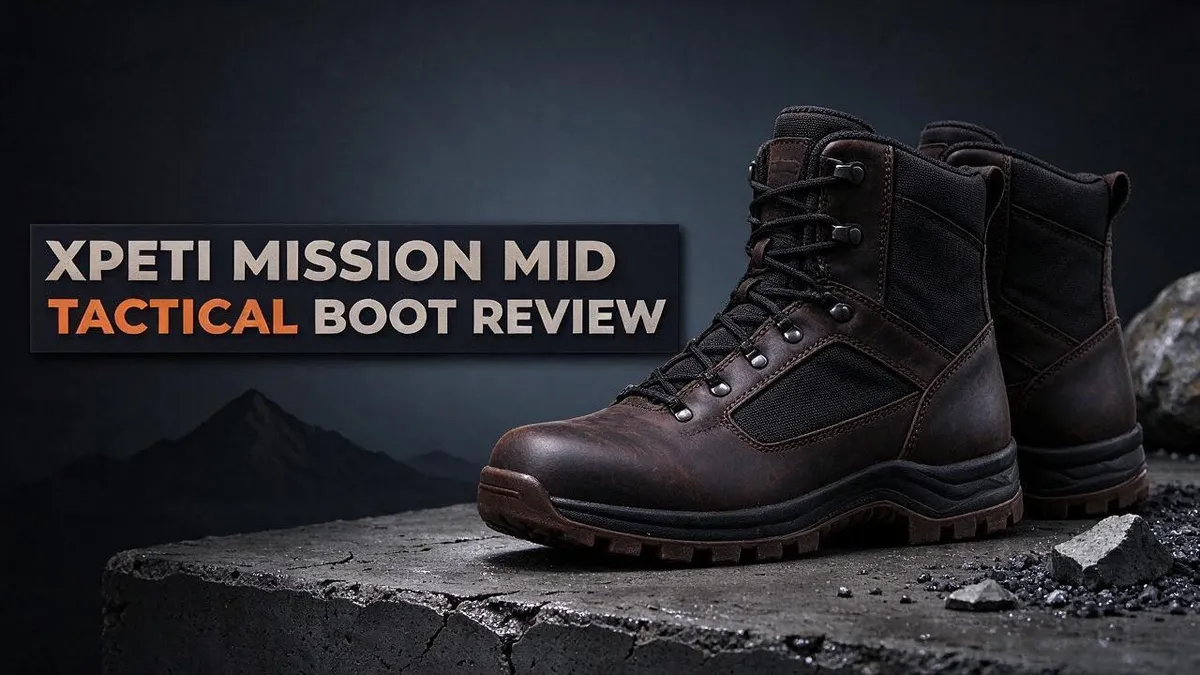
XPETI Mission Mid Tactical Boot Review 2026: Fit, Support, Materials and Verdict
Finding the right tactical boot can feel tough. You want something sturdy, comfortable, and ready for long days on your feet. The XPETI Mission Mid Tactical Boot aims to deliver all three.
Built for real work and real trails, this boot features a rugged 500 denier Cordura nylon upper. Its mid cut design gives your ankles solid support without feeling stiff.
Many users say the roomy toe box lets their toes splay naturally. The contoured fit feels accurate, and the 25mm polyurethane insoles add plenty of cushioning. Wearers also report stable footing on slippery surfaces.
Is this boot the right pick for you? In this review, we will look at its key features, what real owners say, and how it compares to popular options like the Under Armour Valsetz and Merrell Moab 2.
In a Nutshell
-
Mid cut height: This boot offers solid ankle coverage. It still feels easy to wear all day.
-
Cushioned comfort: The 25mm polyurethane insoles add padding. Owners say the cushioning feels good at the ankle and tongue.
-
Sure footing: Many wearers trust this boot on slippery ground. The rubber outer helps them stay stable.
-
Flexible feel: The boot feels light and bends easily. It moves well with your stride on long days.
-
Quality build: Reviewers praise the nice materials and neat stitching. Many also call the fit accurate.
-
Insole swap option: Some owners replace the thick insole with a thinner one. This gives a closer, barefoot feel.
Materials and Build Quality

- ROOMY TOE BOX: Roomy toe boxes help your toes splay in their natural position for barefoot comfort
- 25MM THICKNESS SUPPER INOSOLE: Removable 25mm thickness cushion-plus polyurethane energy-return...
- LIGHTWEIGHT: High abrasion 500-denier cordura upper. The weight of single boots:17.46oz (based on...
Last update on 2026-11-10 / Affiliate links / Images from Amazon Product Advertising API Some of the links on this website are affiliate links, which means that at no additional cost to you, I earn a commission if you click through and make a purchase. I only recommend products and services that I believe will add value to my readers. Thank you for your support!
When you look closely at the XPETI Mission Mid Tactical Boot, the materials tell most of the story. The outer layer uses rubber, and the inner layer uses soft mesh and Lycra.
The rubber outer layer helps the boot handle daily wear. It also guards your feet when you walk over rough ground and loose debris.
The inner lining plays a big role in comfort. Mesh lets air move through the boot, while Lycra adds gentle stretch. This fabric hugs the foot without feeling tight or stiff.
Padding at the ankle and tongue adds another layer of comfort. Reviewers say these areas feel cushioned. Good padding also reduces rubbing, which helps prevent painful hot spots.
The research does not list the closure type. Owners should check the product details for lacing or zipper style. This helps you know how the boot fits and secures your foot.
Breathable materials matter on warm days. Mesh panels usually allow more airflow than solid leather. Shoppers who work in hot or humid areas may appreciate this feature.
Build quality also shows in how the boot holds together. Reviewers describe it as well made, which suggests it can handle regular use. Overall, the materials feel built for demanding work. A tough outer fabric, a rubber base, and a soft inner lining create a balanced boot. Shoppers who want protection and comfort will find a lot to like.
Fit and Toe Box Room
A boot can look great but still feel wrong on the foot. Fit decides whether you enjoy wearing it for hours. This section looks at the inside space and how it works in daily use.


Last update on 2026-04-11 / Affiliate links / Images from Amazon Product Advertising API Some of the links on this website are affiliate links, which means that at no additional cost to you, I earn a commission if you click through and make a purchase. I only recommend products and services that I believe will add value to my readers. Thank you for your support!
Most people judge fit only when they first try it on. Try the boots later in the day instead. Feet swell during long shifts, so afternoon testing gives a more honest result.
The contoured fit also shapes how the heel sits. A snug heel helps reduce slipping on stairs and uneven ground. Your heel should feel secure without any pinching at the back.
Sock choice changes the fit a lot. Thick socks can crowd the toe box and make the boot feel tight. A medium weight sock usually gives the best balance of warmth and room.
The insole swap adds another fit angle. Removing the thick insole creates extra depth inside the boot. Some owners say this gives a more natural feel, though it also means less cushion underfoot.
The mesh and Lycra lining also plays a role here. It stretches slightly as the foot moves. This helps the boot follow the shape of the foot during movement.


Last update on 2026-04-11 / Affiliate links / Images from Amazon Product Advertising API Some of the links on this website are affiliate links, which means that at no additional cost to you, I earn a commission if you click through and make a purchase. I only recommend products and services that I believe will add value to my readers. Thank you for your support!
Break in time may still be needed. Most stiff boots need some time to settle, but its fabric upper may ease in faster. Wear it around the house first for short periods.
Check the fit on a downhill walk. Your toes should not hit the front when you step down. Press the toe area gently with your thumb. A little space there is a good sign.
Wide feet may need extra care. Test the forefoot first, since that area needs the most room. If the sides feel squeezed, the boot may not suit your foot shape.
Cushioning and Ankle Support
Cushioning helps your feet stay fresh during long shifts. Padding absorbs shock each time your heel hits the ground.
Ankle support works a little differently. A mid height collar keeps the joint steady on uneven terrain, which matters when you carry gear.
Think about where your pressure points sit. Soft padding around the collar can prevent rubbing above the ankle bone during long walks.
Good cushioning also reduces fatigue in the calves. Less jarring means your legs tire more slowly on hard pavement.
Support and softness can pull in opposite directions. A very plush sole may feel wobbly under heavy loads, so balance matters here.
This boot aims for that balance. Its structure keeps the foot steady while the padding softens each step, which suits mixed terrain.
Ask yourself how you use your boots. Patrol work, training days, and hiking trips all place different demands on the ankle.
Walk on different surfaces before deciding. Gravel, grass, and steps each test the ankle in a unique way.
Wear them around the house for a while. Short indoor sessions reveal pressure spots before you head out for a full day.
Stability on the ankle also helps with balance. When the collar hugs the leg, your foot feels less likely to twist on roots or loose rock.
Cushioning fades with use. Foam and padding slowly flatten over months of daily wear, so check the sole after a season.
Keep an eye on heel comfort too. A snug heel helps the ankle stay centered, which keeps each step controlled.
Comfort and support work together in this boot.
Top 3 Alternatives
These three boots offer solid choices for field use and daily wear.
5.11 Taclite 6
No products found.
The 5.11 Taclite 6 is a lighter option for people who spend long shifts on their feet. It feels comfortable right out of the box. Many wearers like its flexible sole and breathable upper. Its lightweight build helps reduce fatigue on long patrols. This boot suits daily duty, training days, and hot weather.
Bates GX-8

- Waterproof leather with ballistic nylon upper
- Stay dry with waterproof DRYGuard membrane
- EVA cushioned Midsole
Last update on 2026-11-10 / Affiliate links / Images from Amazon Product Advertising API Some of the links on this website are affiliate links, which means that at no additional cost to you, I earn a commission if you click through and make a purchase. I only recommend products and services that I believe will add value to my readers. Thank you for your support!
The Bates GX-8 offers strong support for rough terrain. Its sturdy build handles heavy loads well. Many users value its protective toe and firm ankle support. Its leather upper holds up well after years of use. This boot works well for those who need extra stability. It may feel heavier than other choices, but the support pays off on demanding days.
Danner Tanicus

- COMPOSITE TOE non-metallic safety toe meets ASTM F2413-24 impact and compression standards while...
- ROUGH OUT full-grain leather and 1000-denier nylon upper combines durable materials with a...
- SIDE ZIPPER closure works with traditional laces for convenient on-and-off access, while the lace...
Last update on 2026-11-10 / Affiliate links / Images from Amazon Product Advertising API Some of the links on this website are affiliate links, which means that at no additional cost to you, I earn a commission if you click through and make a purchase. I only recommend products and services that I believe will add value to my readers. Thank you for your support!
The Danner Tanicus focuses on comfort and weather protection. It often works well in wet and muddy conditions. Its water resistant design keeps feet drier in tough weather. The sole grips well on slippery surfaces. Many people choose this boot for all day wear, and they appreciate how it feels after a long shift.
Traction and Stability on Slippery Ground
Slippery ground tests every part of a boot. Wet rock, muddy trails, and damp pavement all ask a lot from your footing.
A roomy toe box helps you find balance. When your toes can spread out, they press into the ground more evenly. That spread gives you a wider base for each step.
Lightweight boots also change how you move. Less weight on your feet means quicker corrections when you start to slide. You can react faster before a small slip turns into a fall.
Try a simple test at home. Walk across a wet tile floor or a damp patch of grass. Pay attention to how the sole grips each step. Notice whether your feet feel steady or twitchy.
Rubber tends to hold well on damp surfaces. Some sole materials lose grip when they get wet. This helps explain why the outer layer matters so much on slick days.
Stay honest about limits. The research does not include lab test results for grip on ice or mud. Real world feedback from your own walks matters most.
Pick a surface you know well. Walk the same route you use each day. Note where the boot feels secure and where it feels unsure. Those small notes tell you more than any spec sheet.
Wet grass, loose gravel, and muddy paths each pose a different challenge. Test a few of them before you trust the boot on a long hike or a long shift. Confidence grows with every safe step.
Good grip starts with honest testing. Take your time on each surface. Slow steps help you learn how the sole behaves. Rushing can hide small slips that matter later.
Weight and Flexibility
Weight matters more than most shoppers expect. A boot that feels light in the hand can still feel heavy after a long day on your feet.
The XPETI Mission Mid aims for a light build without losing its rugged feel. Its 500 denier Cordura nylon upper keeps the boot sturdy while the materials stay easy to carry.
Flexibility works a little differently from weight. A boot that bends where your foot bends lets you push off with less effort. Your stride feels smoother on flat roads and trails.
Try a simple bend test in the store. Hold the heel and press the toe gently down to the floor. Look for a flex point near the ball of the foot.
Stay honest about the numbers. The research does not list an exact weight or flex rating for this boot. Check the product details before you buy, and compare the weight with other boots in your size.
Weight also shows its effect late in the day. Heavy footwear can slow your pace near the end of a shift. A lighter build may help you keep moving with less effort during long hikes or work days.
Flexibility also matters on uneven ground. A boot that gives a little can follow the shape of rocks and roots. Your foot can adjust without fighting the upper.
Pack light for travel too. A lighter pair takes up less space in a bag and feels less tiring when you carry it through airports or up stairs.
Light and flexible often go together in good boots. Still, the best choice depends on your daily routine and terrain.
Durability and Long-Term Care
Solid materials help a boot hold up over time. Reviewers often mention the stitching and the overall build quality. That feedback suggests the seams can handle regular wear.
Care starts after each use. Brush off mud once it dries. Use a soft brush for seams. Wipe the nylon upper with a damp cloth and mild soap. Rinse the soap away and let the boots air dry.
Avoid heat when drying. Direct heat from a heater or dryer can warp the rubber and weaken glue lines. Stuff the boots with newspaper to hold their shape and absorb moisture. Dry the insoles separately so they dry faster.
Mesh and Lycra linings need gentler handling. Pull out grit and sand from the inside often. Shake the boots outside before storing them. Grit can rub the lining thin over weeks of wear.
Check the outsole every few weeks. Look for flat spots, cracks, or deep wear near the ball of the foot. Worn tread reduces grip, so act early.
The research does not state the closure type. Check how the laces hold up after a few weeks of use. Replace worn laces early. Tighten them evenly each time to protect the eyelets.
Storage matters too. Keep the boots in a cool, dry closet away from sunlight. Sunlight can fade the nylon and dry out the materials over time.
Rotating two pairs can extend the life of each. Foam and insoles get time to recover between wears. Give each pair a full day off. Many people find this habit keeps their boots feeling fresher longer.
Stay honest about the limits. The research does not include long term lab tests or warranty details. Check the seller’s return policy and ask about support before buying.
Pros and Cons
Pros
- The contoured fit lets your toes splay freely.
- The boot feels comfortable and supportive for long days.
- Stable footing on slippery surfaces builds confidence.
- Nice materials and neat stitching show good build quality.
- It feels lightweight and flexible when you move.
Cons
- The thick insole may not suit every foot shape.
- Some minimal footwear fans may find it too cushioned.
- Long term wear data is missing from the research.
Who Should Buy It
The XPETI Mission Mid Tactical Boot suits people who need a sturdy boot for real work. It fits well on active days that test both comfort and support.
Outdoor hobbyists often look for a boot that handles mixed terrain. This model supports hikers, campers, and weekend adventurers who want a rugged option. Hiking clubs and scouts may also find it useful.
Long shift workers also benefit. People who stand or walk for hours value cushioning at the ankle and tongue, which keeps pressure points calm.
Tactical fans and airsoft players may like the boot’s rugged upper. Its tough nylon build matches the look and feel that many gear lovers expect.
Some buyers want one pair for everything. Anyone who needs a single boot for work, errands, and outdoor trips may find this model a practical choice. It also means fewer pairs to manage.
Shoppers with specific needs should check the details first. Those who want a particular feature or a very exact fit should try the boot on in person before buying.
Fit matters most for buyers with wider feet or unusual foot shapes. Trying the boot with the socks you plan to wear helps reveal how it feels over time.
Buyers who want more options can compare other models. Under Armour Valsetz, Merrell Moab 2, and Altai MFT100 are popular picks in similar categories. Compare each one carefully before deciding.
In short, this boot works best for people who value a rugged build and cushioned support. Shoppers who want a flat, low profile feel may prefer other styles.
Final Verdict
Our overall take is positive. The XPETI Mission Mid Tactical Boot earns its place on many shortlists. It pairs a rugged upper with a roomy front and a soft feel underfoot.
Most of the praise points in one direction. Buyers say the build feels solid and the fit feels accurate. Few complaints show up in the research at all.
That said, no boot suits everyone. The thick insole is the main trade off. Some wearers prefer a thinner layer for a closer feel to the ground, so trying the boot on is wise.
Our advice is simple. Measure your feet before you buy. Compare the sizing chart with your usual shoe size. Sizing feedback in the research describes an accurate fit, which helps. Still, your own measurements matter most.
Think about your daily routine too. If you need a boot for long, active days on mixed ground, this model fits that job well. If your work calls for a very low profile or a barefoot style, you may want to look at other options.
Keep in mind the research has gaps. We found no clear closure details and no long term wear reports. Those missing pieces mean you should judge the boot on your own trial.
Ultimately, this boot earns a solid recommendation. Its strengths outweigh its few drawbacks in the available reviews. It suits active people who want a dependable everyday option.
The bottom line: This boot delivers a strong mix of toughness and comfort. It rewards buyers who test it carefully and match it to their real needs.
Frequently Asked Questions
What is the upper made from?
The upper uses 500 denier Cordura nylon. This fabric resists scuffs and abrasion well.
That makes it a good match for rough job sites and rocky trails.
Are these boots waterproof?
The research does not say whether this boot is waterproof. Check the product details before you wear them in wet conditions.
If you need certainty, contact the seller first.
Which boots should I compare this one with?
Shoppers often compare it with the Under Armour Valsetz, the Merrell Moab 2, the Altai MFT100 8 inch, and the HAWK 9 inch Side Zip. Each model offers a slightly different mix of support and style.
Look closely at the weight and fit of each option.
Does this boot need a break in period?
The research does not mention a break in period. Wear them around the house for short spells first.
Increase your wear time slowly so you can spot any hot spots early.

Mia Smith is the founder of Shoe Storyteller, a blog that celebrates the art and stories behind shoes. With a passion for fashion and a flair for storytelling, Mia brings a unique perspective to the world of footwear.