XPETI Terra Mid Hiking Boot Review 2026: Fit, Waterproofing, and Trade-Offs
Finding the right pair of hiking boots can feel confusing. You want comfort, grip, and protection on every trail. The XPETI Terra Mid might be the answer you need.
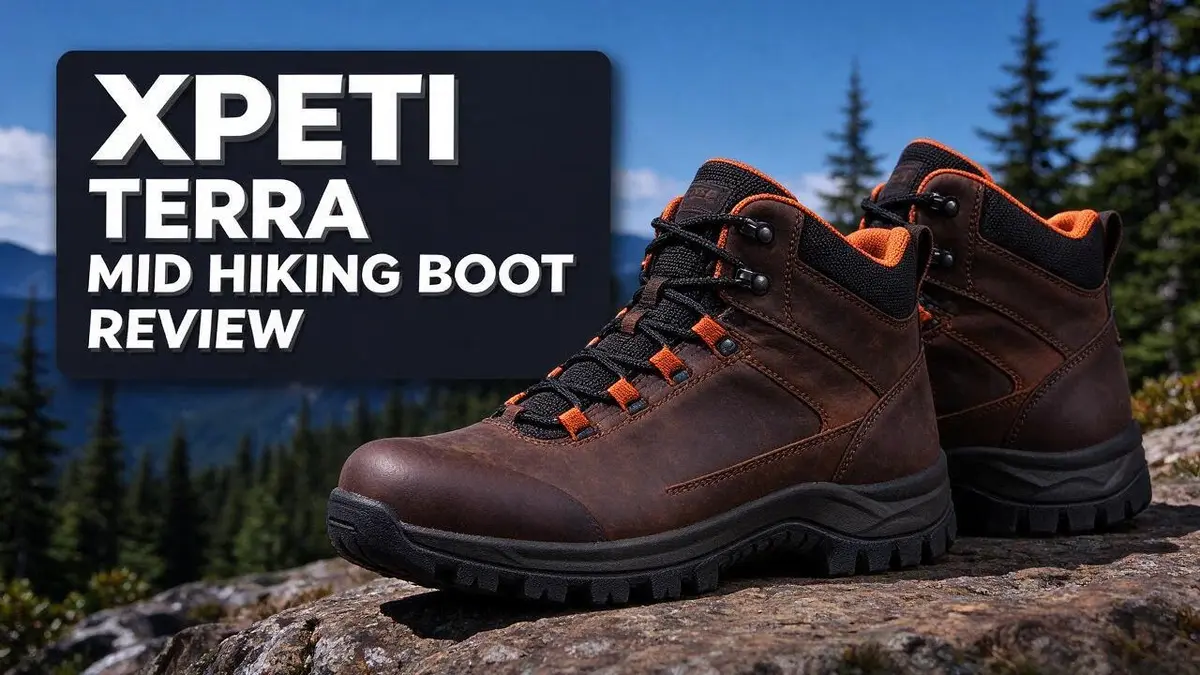
This boot brings a lot to the table. It features an abrasion resistant fabric, a waterproof membrane, and a soft mesh lining. Hikers get good traction and plenty of cushioning from the start.
Many wearers praise the arch support and the roomy toe box. The fit works well with thicker socks, too. Your feet stay cool thanks to the breathable build.
In a Nutshell
- Strong grip on mixed trails: The boot offers good traction, so your feet stay steady on loose dirt, wet rock, and rocky paths. This helps most on steep sections where footing matters.
- Comfortable cushioning: The midsole feels soft and supportive. Long days on the trail feel easier on your feet, knees, and back.
- Room for thick socks: The roomy fit works well with heavy wool socks. You can add warmth on cold mornings without squeezing your toes.
- Breathes well on warm days: Air moves through the upper, so your feet stay cooler. This helps reduce sweat during steady climbs and summer hikes.
- Limited ankle support: The boot does not offer strong ankle support. Hikers who carry heavy packs or walk on uneven ground should consider a stiffer option.
- Versions for men and women: Both fits come in the lineup. Shoppers can choose the version that matches their foot shape and stride.
Build and Materials

- WATERPROOF -- The men waterproof hiking boots are made of Abrasion resistance Kevlon fabric upper...
- SUPPORT -- Resilient internal “Y shape” nylon shank provides torsional stability for a secure...
- ADVANCED TECHNOLOGY -- Integrated hided EVA midsole.TPU heel stabilizer. Toe cap protection that...
Last update on 2026-11-10 / Affiliate links / Images from Amazon Product Advertising API Some of the links on this website are affiliate links, which means that at no additional cost to you, I earn a commission if you click through and make a purchase. I only recommend products and services that I believe will add value to my readers. Thank you for your support!
The build of the XPETI Terra Mid feels practical from the first step. Each part seems chosen for trail use rather than looks alone.
The upper combines several materials into one structure. Each layer has a clear job, so the boot works as a complete system.
The boot has no added insulation. This keeps the materials light and airy, which suits mild and warm weather hikes. Cold winter trips call for a warmer boot.
Check the build by pressing the upper with your thumb. A firm yet flexible shell suggests good quality. Flex the sole too, since a stiff sole can slow your stride on rolling trails.
Fit and materials work as a team. A boot can use great fabric and still feel wrong. Try it on at the end of the day, when feet swell slightly.
Give the boots time to settle. Stiff new uppers often soften after a few short walks. Wear them around the house first to spot pressure points early.
Laces and eyelets also matter. They shape how the upper holds your foot. Check them before every trip.
Care keeps the materials working longer. Clean off dirt after each hike with a soft brush. Let the boots air dry away from direct heat, since high heat can warp adhesives and fabric.
Inspect the seams after every long trip. Small loose threads can grow into bigger tears if ignored. Catching them early keeps the boot in strong shape.


Last update on 2026-04-11 / Affiliate links / Images from Amazon Product Advertising API Some of the links on this website are affiliate links, which means that at no additional cost to you, I earn a commission if you click through and make a purchase. I only recommend products and services that I believe will add value to my readers. Thank you for your support!
This build suits hikers who value simple, practical gear. It asks for little beyond regular cleaning and a careful check.
In short, the build suits steady, everyday hiking. The materials balance comfort, care, and simple upkeep well. Take time to inspect the pair you choose.
Waterproofing and Breathability
Wet feet can ruin a hike fast. Cold, soggy socks rub the skin and invite blisters. Good water protection matters more than most hikers expect.
Water resistance and full waterproofing are not the same thing. A boot can shed light rain yet let water seep in during a long creek crossing. Know the difference before you head out.
Think about where you will hike. Morning dew on grass, drizzle on rocky ground, and slushy snow all test a boot in different ways. The XPETI Terra Mid handles light moisture well.


Last update on 2026-04-11 / Affiliate links / Images from Amazon Product Advertising API Some of the links on this website are affiliate links, which means that at no additional cost to you, I earn a commission if you click through and make a purchase. I only recommend products and services that I believe will add value to my readers. Thank you for your support!
Breathability and water protection must balance. A sealed boot keeps rain out but can trap sweat inside. Airflow helps your feet stay comfortable on longer climbs.
Socks play a bigger role than you think. Moisture from sweat soaks into cotton and stays against your skin. Choose moisture wicking socks, such as merino wool, to keep your feet drier. Thin liner socks can add an extra layer of defense too.
Check the fit on short walks first. Pressure spots near the ankle can let water slip past the collar. Adjust the laces until your heel feels snug and secure.
Care keeps the protection working. Dirt and oil can clog the outer fabric and reduce water beading. Clean the boots after muddy hikes.
Reapply a water repellent spray when beads stop forming. This restores the outer layer and keeps rain rolling off the surface.
Gaiters add extra defense in deep mud. They cover the top of the boot and block debris and splashes.
They also keep grit out of the laces and lower collar. Pair them with this boot for swampy or snowy routes.
Drying time matters after a soaking. Remove the insoles and stuff the boots with newspaper. Keep them away from direct heat, since high heat can damage glues and materials.
In short, this boot suits mild and damp conditions. It stays comfortable on warm trails and handles light rain well. Heavy downpours call for a fully sealed design.
Comfort and Fit
Comfort starts at the heel. A snug heel stops your foot from sliding forward on long descents. You should feel gentle contact, not a pinch or a gap, when you walk.
Measure your feet later in the day. Feet swell slightly as the day goes on, so an afternoon test gives a more accurate size. Wear the socks you plan to hike in.
Toe space matters most on downhill sections. Your toes push toward the front of the boot when you step down a slope. Aim for a small gap, about a thumb width, at the tip while you stand.
If you sit between two sizes, choose the larger one for long hikes. A little extra length gives your toes room on descents. A snug front may feel fine in the store but often causes pain after several miles.
Next, focus on the midfoot. This area should feel secure without squeezing. If your foot slides from side to side on uphill walks, the boot may feel loose there.
Weight also changes how comfort feels over time. The boot feels light in the first mile, but tired legs notice extra weight after several hours. Keep this in mind for long routes with a full pack.
Try the boot on a slope if the store has one. Walk up and down for a few minutes. Watch for rubbing, pressure points, or heel lift.
Wide feet need extra care. If your feet run broad, try both sizes and compare how the boot sits across the forefoot. Comfort depends on your own foot shape, not only the size on the label.
Take your time with this check. A few minutes in the store can save you from a long day of discomfort on the trail.
The right fit feels almost invisible. When the boot works well, you stop thinking about your feet. Your attention returns to the trail and the view.
Top 3 Alternatives
Merrell Moab 3

- GORE-TEX waterproof membrane, exceptional breathability and waterproof performance
- Pig suede leather and breathable mesh upper
- Kinetic Fit ADVANCED removable contoured footbed with reinforced heel cushioning for medium support
Last update on 2026-11-12 / Affiliate links / Images from Amazon Product Advertising API Some of the links on this website are affiliate links, which means that at no additional cost to you, I earn a commission if you click through and make a purchase. I only recommend products and services that I believe will add value to my readers. Thank you for your support!
Looking for a comfortable pick for everyday trails? The Merrell Moab 3 feels light and easy from the very first step.
Its soft cushioning helps your feet stay happy on long walks through the woods.
The lugged outsole grips dirt, roots, and wet rocks with confidence.
Many hikers also like the breathable mesh upper. It keeps feet cool on warm afternoons.
Salomon X Ultra 4

- Hiking Shoes: Power through uphills and descents with the updated X Ultra 4; It has the agility of a...
- All Terrain Grip: Equipped with a new chassis, this hiking shoe is better at protecting sensitive...
- Adventure Awaits: Whether you love a local day hike or hitting the trails for a multi-day adventure...
Last update on 2026-11-10 / Affiliate links / Images from Amazon Product Advertising API Some of the links on this website are affiliate links, which means that at no additional cost to you, I earn a commission if you click through and make a purchase. I only recommend products and services that I believe will add value to my readers. Thank you for your support!
The Salomon X Ultra 4 suits hikers who want extra support on rough ground.
Its snug fit keeps your heel steady when the trail climbs steeply.
The sticky outsole grabs loose gravel, mud, and slippery stones.
Its protective toe cap also helps shield your toes from hidden rocks and roots.
Keen Targhee III

- WATERPROOF & PROTECTION: KEEN.DRY breathable membrane keeps feet dry and comfortable by allowing...
- MATERIAL & CONSCIOUSLY CREATED: Durable premium leather and breathable performance mesh; Quick dry...
- TRACTION: KEEN ALL-TERRAIN rubber provides high traction grip in muddy environments and on rocky...
Last update on 2026-11-10 / Affiliate links / Images from Amazon Product Advertising API Some of the links on this website are affiliate links, which means that at no additional cost to you, I earn a commission if you click through and make a purchase. I only recommend products and services that I believe will add value to my readers. Thank you for your support!
The Keen Targhee III offers a roomy toe box that many hikers love.
Wide feet often feel more relaxed in this boot.
Its supportive design feels calm on uneven paths and rocky stretches.
The sturdy build lasts season after season. It works well for mixed trips, from forest trails to open mountain ridges.
Weight and Ankle Support
Weight matters more than many hikers expect. Some reviewers describe the XPETI Terra Mid as heavy. A heavier boot asks more from your legs with every step. Over a long day, that extra load can leave your calves tired sooner than you planned.
Think about the trail you plan to walk. Short day hikes on gentle paths will feel fine. Long mountain routes with a full pack will show the weight more clearly. Lift one boot in the store and walk a few steps to judge the feel.
Ankle support is the other key point. The research notes that this boot lacks strong ankle support. Its mid height cut gives some coverage, but it does not lock your ankle in place. This matters most on uneven ground, loose gravel, or steep side slopes.
If your ankles are strong and your routes are mostly smooth trails, this limitation may not bother you. Many hikers never need rigid support. Still, anyone with a history of rolled ankles should think carefully before choosing this boot.
You can also protect your ankles in other ways. Trekking poles spread weight across your arms and help you keep balance on rough terrain. Taking shorter steps on steep descents also helps protect your joints. Build up distance slowly so your legs adapt before a big trip.
Weight and support also depend on your load. A light daypack pairs well with this boot. A heavy pack on rocky ground calls for a stiffer, more supportive model. Many buyers who want extra rigidity look at options like the La Sportiva Trango Tower Extreme.
Test your setup before a long trip. Walk with a loaded pack on hills near home for an hour or two. Notice how your feet, calves, and ankles feel at the end. That short test shows you more than any spec sheet can.
Traction and Terrain
Grip decides how safe you feel on uneven ground. The XPETI Terra Mid earns praise for its good traction. It helps you stay steady on dirt paths and rocky sections.
The outsole also adds comfort. Many hikers note its solid cushioning, which softens each step on hard ground. Less jarring means your legs tire more slowly on long days.
Mud and loose gravel test every sole. The tread bites into soft soil and pulls you forward. Shallow lugs can slip on steep, wet grass, so slow your pace there. Dry trails feel easy, but mud shows the real limits.
Rock hopping needs a different kind of grip. Flat sections of stone feel secure underfoot. Wet slabs, though, can feel slick, so test the boot on a damp surface before a big trip.
Snow and ice raise the stakes. This boot suits light snow and firm trails. For steep icy routes, a boot built for crampons gives you more control.
Several other brands build boots for those harder conditions. The La Sportiva Trango Tower Extreme, Scarpa Women’s Mont Blanc Pro, and Mammut Ken Kento all appear in crampon guides. Compare them if your plans include glaciers or steep ice.
Terrain changes your choice more than the brand does. Think about the ground you cover most often. Ask yourself where you will spend the most time. A boot that handles forest trails well may struggle on scree.
Hikers often walk downhill with a heavy pack. Good grip on descents protects your knees. Keep your steps short and your weight centered over your feet.
Descents show the sole’s true value. Use the heel to brake on loose slopes. Dig the toes in lightly for extra hold.
Final check: Walk on several surfaces at home. Try a wet tile floor, a curb, and a grassy hill. You learn more about grip that way than from any spec sheet.
Pros and Cons
Pros
– Abrasion resistant fabric handles scrapes from rocks and brush.
– A waterproof membrane keeps wet ground from soaking through.
– The mesh lining helps air move through the boot.
– Cushioning eases tired feet at the end of a long day.
– Available in both men’s and women’s versions.
Cons
– The boot has no special insulation, so cold days need extra layers.
– Some reviewers find them heavier than they expected.
– Ankle support is limited on rough or uneven trails.
Who Should Buy It
This boot suits day hikers who tackle forest paths, dirt tracks, and moderate mountain trails. It fits people who want one pair for most weekend outings.
Beginners stepping up from trainers can also find a good starting point here. The boot feels like a real hiking shoe, yet it does not demand years of experience.
Women hikers should choose the women’s version for the best sizing match. This saves them from guessing with men’s sizes.
Shoppers who plan steep climbs with heavy packs may want a stiffer option. Some buyers compare this model with the La Sportiva Trango Tower Extreme or the Meindl Denali before they decide.
Hikers who mostly stick to smooth paths and short routes will likely feel happy here. Casual walkers on maintained trails get a dependable match.
Mountain climbers and winter trekkers should look at specialist boots instead. This model suits moderate ground far better than technical alpine routes.
Think of this boot as a reliable choice for spring, summer, and early autumn outings.
Weekend campers who hike between camps also benefit. Shoppers planning short overnight trips can wear it from breakfast to dinner.
Travelers who want one pair for airports and trails can consider it too. City walks pair well with light trail days.
Dog walkers who take pets on gentle forest loops will find this boot easy to wear all day.
Commuters who cut through park trails can use it for daily walking too.
Parents who hike with children on family routes need boots that stay comfortable on long days. This model suits those trips well.
Anyone who values a balanced mix of comfort and trail feel will find this option a practical pick. If most hikes last a few hours on gentle to moderate ground, this model fits your needs well. Match the boot to your typical day, and you will make a confident choice.
Final Verdict
The XPETI Terra Mid earns a solid spot on any shortlist. It works best as a friendly boot for everyday trail days.
Our verdict is simple. This boot puts comfort first. Your feet will thank you after a long day on the trail.
Who gets the most from it? Beginners moving up from trainers often feel at home right away. Day hikers who enjoy forest paths and dirt tracks get the most from its easy comfort.
Think about your next trip before you commit. Ask yourself where you hike most and how heavy your pack usually feels. Honest answers make the choice much easier.
What stands out most is the generous fit. Many buyers say the roomy toe box fits thicker socks without pinching. The boot feels ready from the first walk.
Buyer guides often place it beside the La Sportiva Trango Tower Extreme and the Scarpa Women’s Mont Blanc Pro. Those models target serious mountain work. This boot aims at everyday comfort instead, which suits most hikers.
Shoppers who want a sturdier feel may also look at the Meindl Denali. It shares a similar last with the Kenetrek Mtn Extreme, so the fit may feel familiar.
Regular walkers often find the boot becomes a favorite over time. The gentle break in period helps keep blisters less common for many people.
Our final advice: Pick this boot if you want comfort on friendly trails. Try a pair on in the afternoon, when your feet swell a little. That small step prevents many fit problems.
Enjoy your hikes. The right pair makes every mile feel lighter.
Frequently Asked Questions
Do I need a break in period before a big hike?
Most wearers feel comfortable after a few short walks. Wear them around town first so you can spot rubbing early. Then test them on a local trail before a long trip.
Which socks pair best with this boot?
A medium weight hiking sock suits most days. Very thin socks can leave extra room, which may cause slipping. Save thicker socks for cold trips, since the boot has no special insulation.
Can I wear them in wet weather?
The waterproof membrane handles damp ground well. For deep puddles or stream crossings, add gaiters to keep water out at the ankle. Wipe the boots dry after each wet outing.
How do I clean and store them?
Brush off dried mud with a soft brush. Rinse the outsole with cool water. Let the boots air dry away from heat, because high heat can damage the fabric and glue.
Are they suitable for city travel?
They work well for airport walks and sightseeing on uneven streets. Their grip helps on wet pavement, but the weight can feel tiring on long city days. Pack lighter shoes for evenings out.

Mia Smith is the founder of Shoe Storyteller, a blog that celebrates the art and stories behind shoes. With a passion for fashion and a flair for storytelling, Mia brings a unique perspective to the world of footwear.