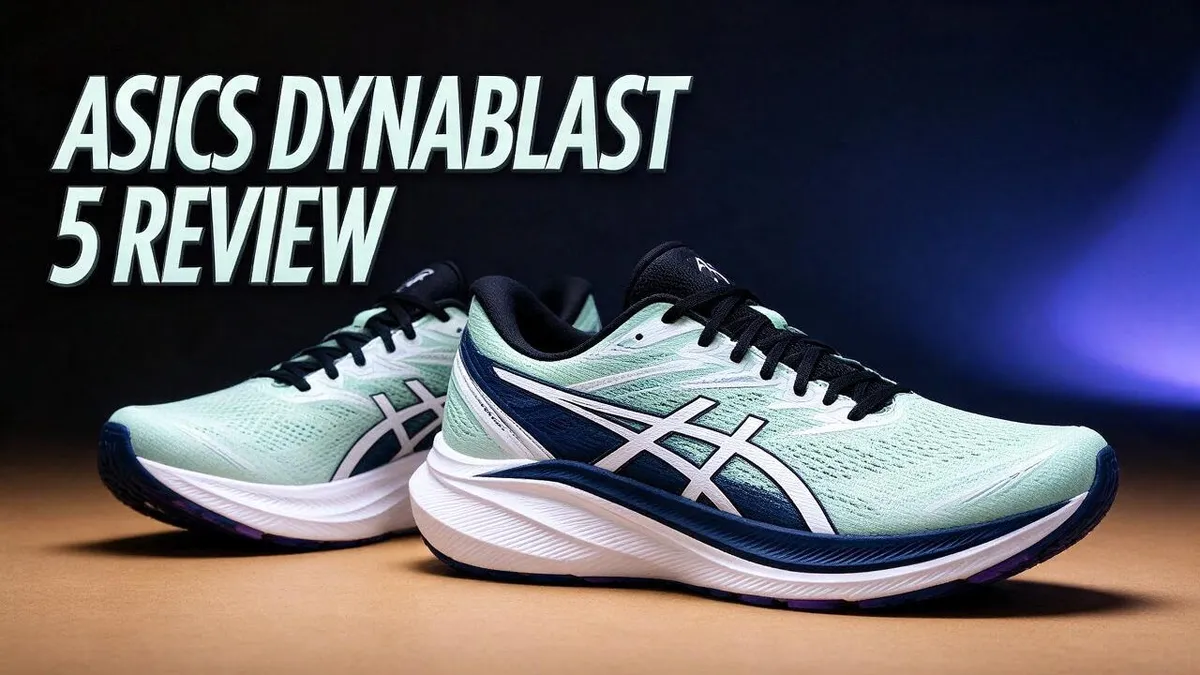
ASICS Dynablast 5 Review: Lightweight Road Running Shoe Tested
Are you searching for a road running shoe that feels light and bouncy? The ASICS Dynablast 5 could be the right pick. It offers a fresh design and a smooth ride for everyday runs.
Many runners want a shoe that feels quick yet comfortable. This model delivers with its lightweight FF Blast+ midsole. Each step feels springy and controlled from heel to toe.
The breathable jacquard mesh upper keeps your feet fresh. A mesh tongue adds extra airflow too. It also breathes better than the Dynablast 4, which helps on warm days.
In this review, you will learn how the shoe performs. We will cover its fit, ride, and grip. Let us see if it earns a spot in your rotation.
In a Nutshell
- Midsole tech: The shoe uses a lightweight FF Blast+ midsole that delivers a springy, responsive feel on every stride. Runners who enjoy a quick toe off will appreciate this foam.
- Fit and cushioning: A lace up closure keeps the foot locked in place. Regular cushioning supports steady road miles without feeling too plush.
- Heel drop: The 8 mm heel drop offers a moderate lift. Many road runners find this drop natural for both easy runs and faster sessions.
- Breathability upgrade: Added ventilation makes this model more breathable than the Dynablast 4. This helps on warm days and longer training sessions.
- Sibling comparison: The midsole and styling closely resemble the Novablast 3. However, this shoe weighs about 7 g more, which some runners may notice.
- Downsides and durability: The ride feels bouncy rather than soft, and the laces feel lower quality than those on the Novablast 3. The rubber outsole, however, offers good grip and wears well.
Ride and Cushioning

- Engineered jacquard mesh upper: Helps improve breathability
- FF BLAST PLUS cushioning: Helps provide lightweight impact absorption and a responsive rebound
- Trampoline-inspired bounce
Last update on 2026-11-10 / Affiliate links / Images from Amazon Product Advertising API Some of the links on this website are affiliate links, which means that at no additional cost to you, I earn a commission if you click through and make a purchase. I only recommend products and services that I believe will add value to my readers. Thank you for your support!
The ASICS Dynablast 5 delivers a controlled ride that keeps each stride steady. Your legs feel supported from the first mile to the last.
Regular cushioning sits in the middle of the range. You get enough padding for daily training. You do not get the plush feel of a max cushion shoe.
Think about how you plan your week. This shoe suits easy runs, steady sessions, and short tempo efforts. It can also handle a longer weekend outing when you want extra comfort.
The rubber outsole shapes the ride too. It grips well on wet pavement and gives you confidence when you push the pace. Your foot stays stable through every push off.
Weight matters more on fast days. The shoe is reported to be 7 g heavier than the Novablast 3. That small gap can change how quick the shoe feels late in a run.
Compare this ride with the New Balance FuelCell line. The FuelCell feel is softer under foot. Runners who want a gentle landing may prefer that option instead.
Who should try it? Runners who like a firm, responsive platform will likely enjoy this shoe. Those who want a plush cushion may want to test other models first.
Long runs reveal the true feel of any shoe. Pay attention to how your knees and hips respond after several miles. A shoe that feels great at the start should still feel calm at the finish.


Last update on 2026-04-11 / Affiliate links / Images from Amazon Product Advertising API Some of the links on this website are affiliate links, which means that at no additional cost to you, I earn a commission if you click through and make a purchase. I only recommend products and services that I believe will add value to my readers. Thank you for your support!
Terrain also shapes how the ride feels. The shoe is built for road surfaces, so rough trail paths may feel less stable. Keep it on pavement for the best experience.
Try the shoe on a short run before you commit to long distances. Notice how the heel and forefoot feel during each stride. Your own feedback matters most.
Upper Breathability and Fit
The upper sits right against your skin, so it shapes every run you take. A good upper keeps your foot cool, dry, and secure.
The mesh tongue adds another layer of comfort. It sits under the laces and gives a soft feel across the top of your foot.
Breathability matters most on warm days. Your feet sweat more when the air turns hot. An open mesh design lets heat escape from the shoe.


Last update on 2026-04-11 / Affiliate links / Images from Amazon Product Advertising API Some of the links on this website are affiliate links, which means that at no additional cost to you, I earn a commission if you click through and make a purchase. I only recommend products and services that I believe will add value to my readers. Thank you for your support!
Feet often swell a little during a long run. Let the upper stretch with you instead of squeezing your foot.
Aim for a snug midfoot and roomy toes. Your heel should stay put without rubbing. Your toes need space to spread out with each stride.
Walk around the store before you decide. Check for slipping at the heel and pressure on the top of your foot.
Some runners prefer a little extra room on longer runs. Test that extra space on a short loop first.
Your socks change the fit too. Thin moisture wicking socks let the mesh work well. Thick socks can crowd the upper and reduce airflow.
Compare the fit with your usual shoes. Notice how your foot feels after twenty minutes. A small change can make a big difference.
Sweat control matters on humid mornings. Moist air traps heat around the foot. Good airflow helps your skin stay dry and comfortable.
Lace tension changes how the upper feels too. Tighten the laces at the midfoot for a secure hold. Keep the toe area looser for comfort.
Heat builds up fast on summer runs. Pick a shoe that lets air move freely. Your feet will thank you by mile five.
A comfortable upper makes every mile feel easier.
Outsole Grip and Durability
The outsole is the part of the shoe that meets the road. Good grip keeps your stride steady, so every push off feels secure.
Grip matters most when the pavement turns slick. Morning dew, light rain, and wet leaves can make even dry-looking roads feel risky.
The rubber outsole on this shoe helps the foot bite into the surface. Rubber contact points give you a firm hold when you corner or speed up.
Durability is the next question every runner asks. You want a shoe that keeps its tread through many training miles.
The outsole is reported as durable, so it should handle regular road running well. Still, every rubber sole wears down over time. Runners who log steady weekly miles will notice the difference.
Wear patterns tell a useful story. Flip your old shoes over and check the heel and outer edge for smooth or flat spots.
Heavy wear in one area may point to your footstrike. A worn heel often means you land hard, while a worn outer edge can hint at a rolling gait.
Rotating two pairs of shoes can extend the life of each one. Giving the midsole time to recover also helps the whole shoe last longer.
Road surface plays a big role in wear. Concrete and asphalt wear rubber faster than soft trails, so expect more tread loss on city routes.
Inspect the outsole every few weeks. Look for chunks missing from the rubber, deep cracks, or spots where the pattern has worn away.
Good grip also gives you confidence on downhill sections, where a slip can cause injury. Test your grip before race day. Take a short warm up jog on a damp sidewalk to build trust in the tread.
Strong grip and steady wear make this shoe a practical daily choice. Keep an eye on the outsole, and you will know exactly when it is time for a fresh pair.
Top 3 Alternatives
Brooks Ghost 15

- THIS MEN'S SHOE IS FOR: Runners looking for a smooth ride that won’t distract from the fun of the...
- SUPPORT AND CUSHION: The Ghost 15 offers neutral support while providing high energizing cushioning...
- BALANCED, SOFT CUSHIONING: New midsole features soft and lighter-weight DNA LOFT V2 cushioning to...
Last update on 2026-10-17 / Affiliate links / Images from Amazon Product Advertising API Some of the links on this website are affiliate links, which means that at no additional cost to you, I earn a commission if you click through and make a purchase. I only recommend products and services that I believe will add value to my readers. Thank you for your support!
The Brooks Ghost 15 offers a soft, cushioned ride for daily training.
Its DNA Loft foam feels plush under your foot. Runners who want comfort on long, easy miles often pick this shoe.
The upper fits snugly and breathes well during warm runs. Its heel feels secure and smooth with every stride.
Saucony Ride 17

- NEUTRAL CUSHIONING
- PWRRUN+
Last update on 2026-11-01 / Affiliate links / Images from Amazon Product Advertising API Some of the links on this website are affiliate links, which means that at no additional cost to you, I earn a commission if you click through and make a purchase. I only recommend products and services that I believe will add value to my readers. Thank you for your support!
The Saucony Ride 17 gives a balanced feel for everyday runs.
It has a smooth transition from heel to toe. Many runners like its stable base and versatile fit.
It works well for short jogs and steady tempo days. Runners who want a dependable shoe often choose this model.
Nike Pegasus 41

- Upgraded breathable engineered mesh upper ReactX foam midsole surrounds forefoot and heel Air Zoom...
Last update on 2026-11-10 / Affiliate links / Images from Amazon Product Advertising API Some of the links on this website are affiliate links, which means that at no additional cost to you, I earn a commission if you click through and make a purchase. I only recommend products and services that I believe will add value to my readers. Thank you for your support!
The Nike Pegasus 41 is a classic choice for road running.
Its responsive cushioning helps you feel light on your feet. The shoe suits training, tempo work, and longer distances.
Many runners trust it for consistent daily mileage. Its mesh upper keeps airflow steady on warm days. It also holds up well over many months of training.
Weight and Pace Suitability
Your pace often decides whether a shoe feels right. The ASICS Dynablast 5 fits best when your goal is a relaxed, controlled stride.
Easy runs are a natural match. The lightweight build keeps your legs fresh over a long morning jog. Your stride stays quick without feeling weighed down.
Tempo sessions bring out the bounce. The FF Blast+ midsole gives a lively push off. Faster efforts feel responsive, though the ride can feel a little bouncy at high speeds.
Interval days ask more from your shoe. Quick turnover and sharp changes in pace test every part of the shoe. Keep this model for moderate workouts rather than all out sprints.
Body weight changes the equation. Heavier runners may notice the midsole compresses more over time. Lighter runners often enjoy the zippy feel the most.
Cadence can shift the feel. Short, quick steps often suit this midsole well. Longer, slower strides let the controlled ride shine.
Recovery days call for comfort. Slow jogs need an easy, comfortable feel. The breathable upper keeps you cool during gentle miles.
Mileage plays a part too. Many runners use this shoe for their weekly base miles. Save a fresh pair for race day so you get the best feel.
Race day needs a clear plan. Wear the shoe during a few race pace efforts before the event. Your legs will tell you if the pace and cushioning match your goal.
Think about your usual pace range. If most runs fall between easy and moderate effort, this shoe fits well. If you race at very high speeds, compare other options first.
Pace and weight work together in every stride. Match this shoe to the right workouts, and it can become a reliable daily trainer.
Price and Value
Think about what you gain from this shoe, not just how it looks. The ASICS Dynablast 5 mixes a light build with a lively FF Blast+ midsole. That mix suits many road runners who want one dependable pair for daily training.
Compare it with its sibling before you decide. The Novablast 5 shares the same family and similar styling. Look closely at the ride you want. Pick the model that matches your stride and your running goals.
Check the Novablast 3 side by side. The Dynablast 5 is reported to weigh about 7 grams more than the Novablast 3. Runners who count every gram may prefer the older model. Others may not notice the difference at all.
Inspect the laces early. The laces on this model feel lower quality than those on the Novablast 3. Many runners swap them for a better pair within minutes. A simple change can improve your lockdown on long runs.
Try the competition too. The GEL-Pulse 17 and GT-1000 14 give you other ASICS options. New Balance Propel and EVOZ offer different ways to test your stride. Run a short loop in each shoe before you commit.
Look for a softer feel if you need one. Some runners find this ride a little bouncy. New Balance FuelCell models feel plusher underfoot. Choose based on your own comfort, not on hype.
Think about how often you run. Four or five weekly runs wear down cushioning faster than one easy jog. Plan your purchase around your training load so the shoe lasts as long as you need.
Track your miles from day one. A simple running log shows how the shoe holds up over time. Write down the date and distance after each run. Replace the pair when the cushioning feels flat or the fit changes.
Read real reviews for fit tips. Look for comments on width and sizing from other runners. Those details help you judge whether the shoe matches your foot shape.
Who gets the most from this shoe? Daily road runners who want one shoe for many workouts get the most. Casual joggers may enjoy it too. Runners who want a very soft ride should test other options first.
Pros and Cons
Pros
– Added airflow helps keep your feet cooler on warm runs.
– The shoe suits a steady weekly mileage plan with mixed easy days.
– Its clean design works well for everyday wear after a run.
– Runners who already like the Novablast look will feel at home.
Cons
– Built for road running only, so trails are a poor match.
– Runners who want a plush, marshmallow landing may want something softer.
– The shoe may not suit runners who prefer a very quiet, muted ride.
Who Should Buy It
If you want a road shoe that balances a light feel with steady comfort, the ASICS Dynablast 5 could be a strong pick. It suits several types of runners. Here is who should consider it.
Runners who like a moderate heel height should take notice. The 8 mm drop gives a familiar lift that many people find easy to adapt to. It works well during long training blocks.
Anyone who wants a secure, adjustable fit will appreciate the lace up closure. You can tighten or loosen the laces to match your foot shape. This helps when your foot swells on longer runs.
Road runners who train in wet weather gain a useful partner. The rubber outsole provides dependable grip on damp pavement. You can keep moving with more confidence when the streets turn slick.
New runners building their first routine may find this shoe approachable. The regular cushioning sits between firm and plush. It gives your legs a gentle start without feeling too soft or unstable.
Runners training for a 10K or half marathon can use this shoe through the middle of their plan. It handles many training miles on the road with a dependable feel. Many athletes keep a separate, lighter shoe for race day, so you can choose what suits your goals.
Anyone who wants a versatile daily trainer should look closer. The shoe handles a range of paces and distances on pavement. It can become your go to option for most days on the road.
Think about your weekly routine, your stride, and your comfort goals. If several points in this list sound like you, the Dynablast 5 may be a smart match. Take time to try it on, walk around the store, and notice how your foot settles inside. Your feet will tell you if this shoe fits your running life.
Final Verdict
Our final verdict leans positive. The ASICS Dynablast 5 offers a light and controlled ride on paved roads. Most runners will find it a dependable daily option.
This shoe fits a clear role. It suits runners who want a lively, responsive feel. It is not the best pick for anyone who wants a pillowy landing.
Start with your running style. A quick or springy stride matches this shoe well. A slow, heavy stride may feel less natural over longer runs.
Try it on before you commit. Walk and jog around the store for a few minutes. Check how the heel sits and whether the toe box feels roomy.
Wear your usual socks. Your fit depends on the sock you wear every day. Bring those socks along to get an accurate feel.
Compare it with close options. Many runners who want more softness look at the GT-1000 14. Others prefer to test the GEL-Pulse 17 for a different ASICS feel.
Run a short test loop. Try a few easy minutes in each shoe. This shows which pair feels natural under your feet.
Skip this shoe for trail work. It is built for pavement. Trail runners need a model with more grip and protection.
Our bottom line is simple. The ASICS Dynablast 5 is a smart road shoe for steady training. Choose it when you value lightness and quick response. Pick a softer model if plush cushioning matters most to you.
Frequently Asked Questions
Is the ASICS Dynablast 5 heavier than the Novablast 3?
Yes, it is a little heavier. The shoe weighs about 7 g more than its close sibling. That gap is small, but you may notice it on long, tired miles.
How long will the outsole last?
The outsole is built to last. Its rubber surface also gives good grip on paved routes. Expect steady wear on regular road runs, and rotating in a second pair can help it last even longer.
Should I replace the laces right away?
Many runners find the laces feel less refined than those on the Novablast 3. If the stock laces slip or feel thin, try a pair of upgraded laces. This simple swap can improve your lockdown without changing the shoe itself.
Which shoes compete most closely with it?
Runners often compare it with the ASICS GEL-Pulse 17 and GT-1000 14. The New Balance Propel and EVOZ are also strong options. Test two or three models on the same day so you can feel the differences side by side.

Mia Smith is the founder of Shoe Storyteller, a blog that celebrates the art and stories behind shoes. With a passion for fashion and a flair for storytelling, Mia brings a unique perspective to the world of footwear.