New Balance Fresh Foam X 880v15 Review: Complete Buyer’s Guide
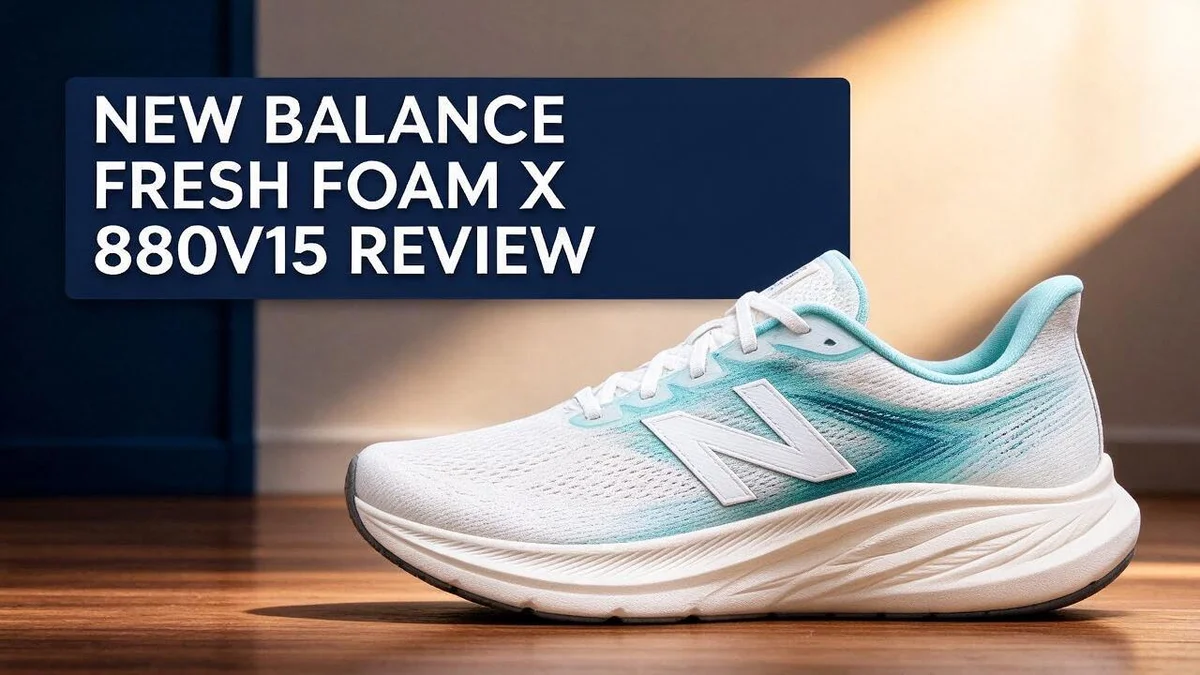
Looking for a shoe that feels soft and steady on every mile? The New Balance Fresh Foam X 880v15 might be the one you need. It is a neutral trainer built for daily runs and longer days on the road.
Many runners want extra cushioning without a heavy feel. This shoe offers a balanced ride with smooth transitions from heel to toe. Its engineered mesh upper keeps airflow moving, so your feet stay comfortable.
Still, every shoe has some compromises. Some reviewers say the 880v15 feels firmer and a bit narrower than the V14. Others mention a slightly tighter toe box. Knowing these details helps you pick the right pair.
This review covers fit, feel, and performance. You will also see how it compares with rivals like the Hoka Clifton 10 and the New Balance Rebel v5. Let us see if it fits your stride.
In a Nutshell
-
Best for easy miles: Relaxed runners and daily trainers will likely enjoy this shoe. It suits a comfortable, steady pace on most days.
-
Firmer than expected: Several reviewers say the ride feels firmer than the V14. Some runners notice a burning feeling in their legs on longer runs.
-
Check the toe box: One report mentions a possibly narrower toe box. Try the shoe on before committing to a long training block.
-
Not built for speed: The ride is not described as highly responsive. Fast workouts may call for a lighter, springier option.
-
Softer than the Rebel v5: The Rebel v5 is also a daily trainer. The 880v15 gives you a softer alternative for those who want more give underfoot.
-
Breathable for warm days: The engineered mesh upper helps air move around your foot. Hot weather runs feel more comfortable.
Cushioning and Ride Feel

- Fresh Foam X midsole foam with approximately 3% bio-based content delivers our most cushioned Fresh...
- Structured yet breathable upper
- Synthetic materials
Last update on 2026-11-16 / Affiliate links / Images from Amazon Product Advertising API Some of the links on this website are affiliate links, which means that at no additional cost to you, I earn a commission if you click through and make a purchase. I only recommend products and services that I believe will add value to my readers. Thank you for your support!
The ride starts with a deep, protective platform under your foot. Each step lands on a thick layer of foam. That layer helps soften the hard pounding of pavement.
Landing feels cushioned, but the shoe never feels like a pillow. Your heel meets the ground with a gentle push. Then the shoe guides your foot forward.
The transition from heel to toe feels smooth. Your foot rolls through the stride without sharp bumps. This helps long sessions feel more natural.
Pace changes the feel. At easy effort, the cushion feels calm and forgiving. At faster efforts, the shoe feels steady rather than springy.
Think of this shoe as a comfort tool, not a speed tool. Use it for conversational runs and recovery days. Save lighter racers for hard workouts.
Surface matters too. On asphalt, the foam absorbs repeated impact well. On uneven trails, the platform may feel less stable, so test it first.
Your body weight also changes how the cushion behaves. Heavier runners often notice more support. Lighter runners may sense a flatter, more direct response.
Compared with the Fresh Foam X More v6, this shoe feels less plush. Runners who want maximum softness may prefer the More. Those who want a middle ground will likely like this option.


Last update on 2026-04-11 / Affiliate links / Images from Amazon Product Advertising API Some of the links on this website are affiliate links, which means that at no additional cost to you, I earn a commission if you click through and make a purchase. I only recommend products and services that I believe will add value to my readers. Thank you for your support!
Sock choice and lacing can change comfort. A snug heel lock keeps the cushion working with your foot instead of sliding. Try the shoe later in the day, when your feet swell slightly.
Give the shoe a few short runs first. Foam often feels different after several miles. Track how your knees and calves respond.
Overall, the cushion suits runners who value comfort over snap. It delivers a steady, easy stride mile after mile.
Fit, Width and Toe Box
Fit is the first thing to check with the New Balance Fresh Foam X 880v15. A good fit feels snug at the heel and roomy at the front. Your foot should never feel pinched.
Width matters a lot. Runners with wide feet often feel pressure across the forefoot. Measure your foot before you shop, and compare it with your usual size.


Last update on 2026-04-11 / Affiliate links / Images from Amazon Product Advertising API Some of the links on this website are affiliate links, which means that at no additional cost to you, I earn a commission if you click through and make a purchase. I only recommend products and services that I believe will add value to my readers. Thank you for your support!
Think about your foot shape too. Some people have a high arch or a wide midfoot. These areas need extra room to stay comfortable on longer days.
The thumb test is simple. Stand with your heel against the back of the shoe. Press your thumb in front of your longest toe. You should feel about a thumb width of space.
Toe splay matters for comfort. Your toes should spread a little when you push off. A cramped forefoot can cause numbness or hot spots over time.
The upper should hug your midfoot without squeezing it. Your foot should feel secure, not trapped. A shoe that pinches right away will not get better with time.
Try shoes later in the day. Feet swell as the day goes on. Testing in the afternoon gives you a more accurate fit.
Walk and jog a few steps in the store. Watch for heel slip, rubbing, or pressure points. Small problems often grow into big blisters on a long run.
Runners with broad forefeet should pay extra attention to the front of the shoe. Take a moment to wiggle your toes. Your toes need freedom to move.
Check the fit again after a few short runs. Feet can change shape a bit as they warm up and adapt. A quick recheck helps you spot problems early.
If you have a wider foot, a wide version may be worth a look. Ask the store staff about width options. They can help you compare sizes side by side.
Your fit sets the tone for every mile. A comfortable shoe helps you enjoy easy runs more. Take your time and trust how your feet feel.
Upper Design and Breathability
Take a close look at the upper before your first run. It uses one layer of engineered mesh that wraps around the foot. The weave feels soft and smooth, so it rarely rubs the skin.
Many shoes trap heat near the top of the foot. This upper stays cooler because the mesh has many small openings. Air moves through the front and sides with ease.
The mesh does not stretch much over time. That matters for shape. The upper keeps its structure after many miles, so your foot stays centered in the shoe.
Thin overlays add support across the midfoot. They sit flat against the mesh, so they do not trap heat. Their placement helps the shoe hold your foot without adding bulk.
Look at the heel area too. A firm heel counter cups the back of the foot. It keeps your heel steady on flat roads, especially when you tire later in a run.
Padding around the collar feels light. It protects the ankle without making the top feel hot. Some runners may want a little more cushioning here for long days on the road.
Wet weather is another test. Mesh drains water fast, so your feet feel less soggy after a puddle splash. However, fine dust and grit can slip through the openings. Rinse the upper after dusty sessions to keep it clean.
Drying time is quick after a rainy run. The upper dries within a short time, so you can wear the shoe again the next day.
Mesh can show wear over time. Check the surface every few months. Small tears can grow fast, so replace the shoe when the upper looks thin.
Overall, the upper suits warm and humid days. It handles sweat well and keeps the weight low. Cold mornings may feel a bit chilly, so pair the shoe with light layers when temperatures drop.
Top 3 Alternatives
Looking for a different daily trainer? These three options offer comfort, support, and smooth rides.
Brooks Ghost 16

- THIS MEN’S SHOE IS FOR: Runners looking for a smooth ride that won’t distract from the fun of...
- SOFT CUSHIONING: The Ghost 16 offers neutral support while providing soft, nitrogen-infused DNA Loft...
- SMOOTH TRANSITIONS: The soft midsole and Segmented Crash Pad promotes an easy flow from landing to...
Last update on 2026-11-01 / Affiliate links / Images from Amazon Product Advertising API Some of the links on this website are affiliate links, which means that at no additional cost to you, I earn a commission if you click through and make a purchase. I only recommend products and services that I believe will add value to my readers. Thank you for your support!
The Brooks Ghost 16 feels soft and steady from the first step.
Its cushioning absorbs impact, so your legs feel fresh after longer runs. This shoe suits runners who want a neutral, reliable option for daily miles.
Best for: easy runs and comfortable training days.
Asics Gel-Nimbus 26

- Engineered knit upper: A lightweight, breathable knit material that reduces the need for additional...
- PureGEL technology: Softer, updated version of our GEL technology that maintains all the acclaimed...
- FF BLAST PLUS cushioning: Midsole foam that provides a blend of cloud like cushioning and a...
Last update on 2026-10-13 / Affiliate links / Images from Amazon Product Advertising API Some of the links on this website are affiliate links, which means that at no additional cost to you, I earn a commission if you click through and make a purchase. I only recommend products and services that I believe will add value to my readers. Thank you for your support!
The Asics Gel-Nimbus 26 focuses on plush comfort from heel to toe.
Its thick midsole creates a soft landing that many runners love. It works well for those who need extra softness on hard pavement.
Expect a roomy fit and a smooth roll through every stride.
Saucony Ride 17

- MIZUNO ENERZY NXT: The next generation of MIZUNO ENERZY midsole material. Designed to maximize...
- Foam Wave: A Wave of comfort made of 2 layers of foam. Top layer is U4icX and bottom layer Mizuno...
- Foam Wave: A Wave of comfort made of 2 layers of foam. Top layer is U4icX and bottom layer Mizuno...

Last update on 2026-11-16 / Affiliate links / Images from Amazon Product Advertising API Some of the links on this website are affiliate links, which means that at no additional cost to you, I earn a commission if you click through and make a purchase. I only recommend products and services that I believe will add value to my readers. Thank you for your support!
The Saucony Ride 17 balances cushion and energy return in a simple package.
It feels responsive without feeling firm, so each push off feels lively. Many runners choose this shoe for steady pace work and mixed training days.
Best for: runners who want a little bounce in every step. A secure fit keeps the ride stable on longer efforts.
Drop, Stability and Stride Mechanics
The drop is the height gap between your heel and your forefoot. The New Balance Fresh Foam X 880v15 uses a 6mm drop. That number sits lower than the V14, so your heel rests closer to the ground.
A lower drop asks more from your calves. Your Achilles tendon and calf muscles work harder when the heel sits lower. Runners who switch from a higher drop should ease in slowly.
Stability here comes from the platform, not from posts. This is a neutral trainer. It does not use firm medial posts to correct your stride. Instead, the 40mm stack keeps your foot steady through each step.
Neutral means your foot moves naturally. If your feet roll inward a lot, a stability shoe may suit you better. This model works best for runners whose stride already lines up well.
Stride mechanics change with pace. Shorter, quicker steps load the foot differently than long, slow strides. Many runners find the shoe calm at an easy effort. Faster strides can feel less lively, since the shoe is not described as highly responsive.
Firmness shapes how your stride feels over distance. Several reviewers say this version runs firmer than the V14. On longer runs, that firmness can create a burn in the legs. Keep early sessions short.
Your landing pattern matters too. Forefoot strikers may notice the drop less. Heel strikers will feel the height more clearly. Watch how your foot lands during a short jog on flat ground.
Think about your weekly mileage as well. Lower drop shoes can change how your lower leg adapts over several weeks. Add distance gradually, and let your calves signal when they need rest.
Overall, this shoe suits a steady and relaxed stride. Choose it for controlled miles rather than fast intervals. Your own gait and comfort will show you whether the drop fits your running style.
Durability and Long-Term Wear
Durability matters once a shoe becomes part of your weekly routine. The New Balance Fresh Foam X 880v15 is built for daily training, so it needs to hold up over many miles.
Reviewers describe it as reliable for regular sessions. That is a good sign for runners who log steady distance.
Still, the real test shows up over time. Check the midfoot foam every few weeks. Look for deep creases, flat spots, or a feeling that the ride has gone dull.
Cushioning often fades before the upper looks worn. Many runners notice the shoe feels firmer long before holes or tears appear. Trust your legs as well as your eyes.
The outsole tells a clear story too. Look at the heel first, since most runners land there. If the rubber wears down unevenly, your stride may be shifting.
Rotation can extend the life of your shoes. Using a second pair on easy days gives the foam time to recover between runs. Less constant compression helps the midsole keep its bounce for longer.
Keep a simple training log. Write down the date you started wearing the pair and the approximate distance you have covered. Many runners replace shoes based on this record instead of guessing.
Storage matters as well. Keep your shoes out of hot cars and direct sunlight. Heat can weaken foam and glue over time. Let damp shoes dry at room temperature after wet runs.
Some reviewers say the firmer feel can cause a burn on longer runs. Watch for that change as the miles add up. When a shoe that once felt smooth starts to feel harsh, it may be time for a fresh pair.
Pros and Cons
Pros
- Extra cushioning from the 40mm stack feels plush underfoot.
- Transitions feel smooth from heel to toe.
- The shoe feels light for how much cushion it offers.
- It suits easy days and long, relaxed miles.
- Many runners find it a dependable everyday option.
Cons
- It is not very responsive, so it feels less snappy at speed.
- Some runners may find the toe box a bit snug.
- The fit can feel narrower, which may not suit wide feet.
- It is less ideal for fast workouts or race day efforts.
Who Should Buy It
This shoe suits runners who want a steady, everyday companion. If you run a few times each week, the 880v15 can handle most of your miles.
New runners often benefit from a cushioned trainer like this one. A gentle landing can help build confidence during the first months of training. You can focus on consistency instead of constantly worrying about your shoes.
Walkers and gym-goers may also enjoy the ride. The thick midsole feels comfortable on hard pavement and treadmill sessions. It works well for long days on your feet, too.
Runners who want a softer ride than the New Balance Rebel v5 will find this model more forgiving. Its relaxed feel suits people who prefer a calm stride over a snappy one.
Morning runners often want a shoe that feels ready right away. A relaxed, cushioned ride helps you start the day with less effort.
Still, this shoe is not the best pick for everyone. Runners who chase personal records or love speed sessions should look elsewhere. Those who need firm support for overpronation should consider a stability model.
Try before you commit. Visit a store and jog a few steps in the shoe. Pay attention to how the heel and midfoot feel. If the fit seems snug, try a different size.
Listen to your body after the first few runs. Mild soreness is normal, but sharp pain is not. If discomfort lingers, speak with a footwear specialist or a doctor.
In short, this shoe rewards runners who value comfort and steady miles above speed.
Final Verdict
The New Balance Fresh Foam X 880v15 earns a strong spot in a daily training rotation. It blends plush comfort with a smooth and dependable ride. Its 40mm stack and lower 6mm drop make it approachable for many runners.
Overall, this shoe suits people who want cushion without a heavy feel. The engineered mesh upper keeps the foot cool during warm sessions. You get comfort that stays light from start to finish. It also keeps things simple for everyday use.
The firmer feel and narrower fit are the main compromises. Runners who move up from the V14 should expect a different sensation underfoot. A short adjustment period is normal with this model.
Think of this shoe as a reliable workhorse rather than a showpiece. It will not deliver much bounce or snap. Instead, it quietly carries the bulk of your weekly mileage.
New runners, walkers, and casual joggers often feel at home here. Anyone with wide feet should check the toe box carefully before buying. Fast runners should look at a more responsive option instead.
Consider your current shoe rack before adding this pair. If you already own a plush trainer, this one may feel too similar. A beginner with only one pair, however, gains a solid partner for almost every day.
Your running goals should guide the final choice. Those seeking speed need a livelier shoe. Those building a steady aerobic base will appreciate the cushioned feel.
Sizing deserves extra attention with this model. Try your usual size first, then compare it against a slightly larger pair. Pay attention to how the midfoot and toes feel after a short walk.
In the end, this model earns a confident recommendation for comfort seekers. It delivers dependable cushioning and a comfortable daily feel. Its firmer character and narrower fit simply mean it suits certain runners best.
Frequently Asked Questions
How does it compare to the V14?
Several reviewers say the V15 feels firmer than the previous version. Some runners also notice a burn feeling on longer runs. Try a few miles before you decide.
Which shoes should I compare it with?
Shoppers often compare it with the Fresh Foam X More v6, which feels more plush. Others look at the Hoka Clifton 10, Hoka Mach 6, and Salomon Aero Glide 3. Each one offers a different feel.
Does the 6mm drop matter for my stride?
The shoe has a 6mm drop from heel to toe, which is lower than many older models. This gentle slope suits many neutral runners. If you prefer a flatter feel, test the shoe before you buy.
Does the upper stay breathable?
Yes, the engineered mesh upper lets air move around your foot. This helps on warm days and during longer sessions. Good airflow also keeps your feet feeling fresh.

Mia Smith is the founder of Shoe Storyteller, a blog that celebrates the art and stories behind shoes. With a passion for fashion and a flair for storytelling, Mia brings a unique perspective to the world of footwear.