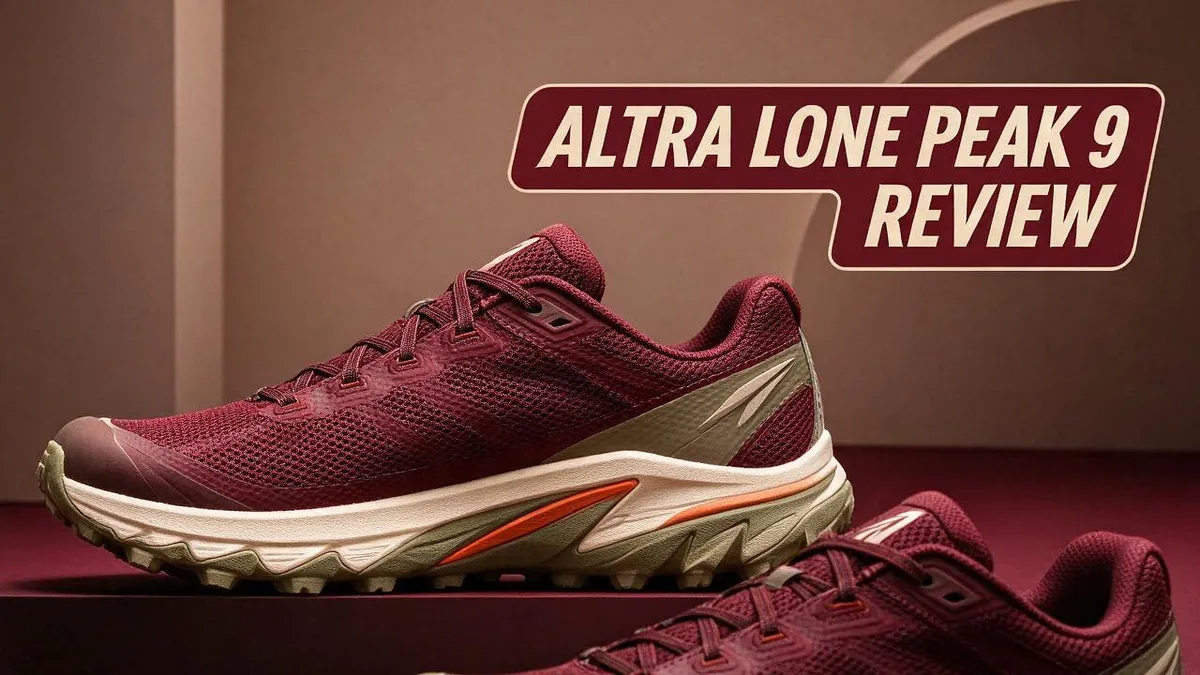
ALTRA Lone Peak 9 Review: Fit, Traction, and Trail Performance
Are you looking for a shoe that feels natural on the trail? The ALTRA Lone Peak 9 might be your next favorite pair.
Many runners love how much room this shoe gives their toes. Your toes can spread out with every step.
Trail runners, hikers, and thru hikers all rely on it. Its durable upper and grippy outsole handle rocky paths with ease.
Zero drop and a 25mm stack height give you a balanced feel. You get enough ground feel without losing protection.
Wet trails are where this shoe really shines. It grips better than earlier Lone Peaks in slick conditions.
In this review, we break down the fit, the feel, and the key differences between the standard version and the 9+. Keep reading to see if this shoe fits your next adventure.
In a Nutshell
- Best for mixed routes: Runners who want a natural ride on dirt paths, rocky climbs, and long mountain days will feel at home. One pair handles changing ground without fuss.
- Grip that works: The outsole bites into mud, loose gravel, and wet rock, so footing stays confident on steep descents. Your feet stay planted when the trail gets messy.
- Ground feel and shield: You still sense the trail beneath you, yet the midsole guards your feet from sharp stones on longer routes. Fewer aches come later in the day.
- Sturdy build: The upper holds up well to repeated miles, so this pair can handle big training blocks and tough thru hike stages. Expect many months of regular use before replacing it.
- Firm on pavement: Road runners may notice a firmer feel than they expect from a standard cushioned shoe. Save this pair for dirt and gravel.
- Choose the 9+ for extras: The 9+ offers a better fitting upper and a more propulsive feel, but stock can run low. Compare it with the Topo Terraventure before you decide.
Fit and Toe Box

- Lock In: The wrap-around fit keeps your foot stable so all you have to do is lace up.
- Get Comfortable: Highly cushioned Altra EGO midsoles provide the support needed for high intensity...
- Push Yourself: With our tough DuraTread outsole and multi-directional TrailClaw lug pattern for...
Last update on 2026-11-16 / Affiliate links / Images from Amazon Product Advertising API Some of the links on this website are affiliate links, which means that at no additional cost to you, I earn a commission if you click through and make a purchase. I only recommend products and services that I believe will add value to my readers. Thank you for your support!
Getting the fit right makes or breaks a trail shoe. The good news is that the ALTRA Lone Peak 9 usually fits true to size. Most people can start with their normal running size.
Try shoes on later in the day. Feet swell during long walks and runs, so testing at night gives a more honest result. Bring the socks you plan to wear on the trail.
Heel fit deserves a close look. The heel should feel snug without pinching. It should not lift much when you walk up a slope.
The midfoot should wrap comfortably around your foot. Lacing matters here too. A firm lace over the midfoot can lock the heel in place without squeezing the toes.
Toe splay works as a balance tool on uneven ground. Your toes spread to grip the dirt and keep you steady. The front of the shoe needs to let that movement happen.
Check the length with a simple test. Stand up and push your foot forward. You want about a thumb width of space in front of your longest toe. Your toes should not hit the front on downhill runs.


Last update on 2026-04-11 / Affiliate links / Images from Amazon Product Advertising API Some of the links on this website are affiliate links, which means that at no additional cost to you, I earn a commission if you click through and make a purchase. I only recommend products and services that I believe will add value to my readers. Thank you for your support!
Width matters as much as length. Narrow feet may slide inside a roomy front, so check that the heel and midfoot stay locked. Wider feet usually feel at home from the first step.
Insoles can change the fit too. Thick aftermarket insoles may crowd the toes. Remove the stock insole and test your own insole before you decide.
The 9+ offers a similar fit, so compare both versions if you can. If the fit still feels off, Topo Terraventure is another shoe worth trying on.
Walk downhill in the store if you can. Your foot should feel settled, not sliding. A good fit feels calm from the first mile.
Traction and Outsole Grip
Grip matters more than many runners expect. A shoe can look tough, yet still slip on a wet root. The Lone Peak 9 works to keep your feet planted on many surfaces.


Last update on 2026-04-11 / Affiliate links / Images from Amazon Product Advertising API Some of the links on this website are affiliate links, which means that at no additional cost to you, I earn a commission if you click through and make a purchase. I only recommend products and services that I believe will add value to my readers. Thank you for your support!
Dry trails ask for a different kind of grip. Packed dirt and dusty paths put less stress on the outsole. Still, you want steady contact when the trail turns sharp.
Mixed surfaces are where this shoe earns its keep. One mile might bring soft soil, then flat rock, then loose gravel. The outsole keeps a steady feel across each change.
Uphill climbs reward good traction. Solid contact lets you dig in and push forward. Less slipping means less wasted effort on every step.
Downhill runs test grip in a different way. Your feet brake hard with each stride. A grippy outsole helps you control that force and keep your pace steady.
Check the sole before you commit. Turn the shoe over and study the tread. Notice how deep the lugs sit and how evenly they spread across the sole.
Test grip at home too. Walk on tile, then on a damp surface, then on carpet. Pay attention to how your foot feels when you turn or stop.
Compare the standard version with the 9+. According to the research, the 9+ offers better grip. Check which version suits your routes best.
Grip grows more useful when you know how you run. Land with your midfoot under your body. Good form helps the outsole do its job.
Grip is not the only factor, yet it shapes every step you take. Strong traction gives you the confidence to focus on the view. Many trail runners feel this most on long days.
Trust the grip, yet stay alert. Wet rock and slick roots still demand careful steps. Short, light strides keep you balanced when footing gets tricky.
Cushioning and Ride Feel
The Lone Peak 9 uses a moderate cushioning level that many trail runners find easy to live with. The updated midsole adds comfort without hiding the trail. Most runners feel a balanced ride from the first mile.
Stack height plays a big role in how a shoe feels. This model sits at 25mm of stack height. That height gives you a sense of protection while keeping you close to the surface.
Zero drop changes the ride in a clear way. Your heel and toes sit at the same height. Your calves and Achilles may need time to adjust, so start with shorter runs.
Foam feel matters most on long days. A moderate midsole helps your stride stay steady when fatigue builds. Many hikers also appreciate how the shoe keeps a natural foot position over hours on the trail.
Downhill sections put extra load on your legs. A moderate midsole softens each landing without making the shoe feel mushy. Your quads often feel the benefit after steep miles.
Wet trails bring a different test. This version handles wet conditions better than earlier Lone Peaks. A steady ride helps you keep control when rain makes the surface slick.
Switching from road shoes takes a little patience. Your calves, arches, and ankles adapt to the lower stack and zero drop over time. Build mileage slowly during the first few weeks.
Your running style shapes the ride too. Midfoot strikers often enjoy a smooth roll through each step. Heel strikers may notice more firmness at impact, so pay close attention to how your legs respond.
Overall, the ride suits runners who want a natural connection to the ground. It does not smother the trail under thick foam. Many runners find that comfort grows with each run. A short test run shows you if the cushioning feels right.
Pick a route that mixes smooth and rough sections during your test. That mix shows how the foam handles both impact and feedback.
Top 3 Alternatives
Trail runners have several strong options beyond the ALTRA Lone Peak 9. Each shoe below suits a different style of running.
Topo Athletic Ultraventure

- OPTIMAL CUSHIONING AND COMFORT - Topo Athletic Ultraventure 4 running shoe is designed with a 35 x...
- ENHANCED DURABILITY - Experience superior durability and eco-friendly design with the Ultraventure...
- SUPERIOR TRACTION - The Vibram XS Trek EVO outsole delivers exceptional multi-surface traction and...
Last update on 2026-11-16 / Affiliate links / Images from Amazon Product Advertising API Some of the links on this website are affiliate links, which means that at no additional cost to you, I earn a commission if you click through and make a purchase. I only recommend products and services that I believe will add value to my readers. Thank you for your support!
The Topo Athletic Ultraventure gives your toes room to spread. Its wide toe box feels roomy on long descents and rocky miles. The shoe also has a protective rock plate and plenty of cushion. If you love the natural feel of the Lone Peak, this shoe is a close match for your next trail run.
Brooks Cascadia

- THIS WOMEN’S SHOE IS FOR : Trail enthusiasts seeking confidence on any terrain, the Cascadia...
- COMFORT & PROTECTION: Updated with even more nitro-infused DNA LOFT v3 in the heel and forefoot for...
- ALL-AROUNG TRACTION: The TrailTack Green rubber outsole made from 25% recycled content provides...
Last update on 2026-11-16 / Affiliate links / Images from Amazon Product Advertising API Some of the links on this website are affiliate links, which means that at no additional cost to you, I earn a commission if you click through and make a purchase. I only recommend products and services that I believe will add value to my readers. Thank you for your support!
The Brooks Cascadia suits runners who want a steady, supportive ride. Its outsole grips well on wet dirt, loose gravel, and muddy paths. Many people choose it for mixed routes that include both roads and trails. It offers more structure than the Lone Peak, which some runners need for long days on their feet.
Hoka Speedgoat

- Amping up the energy return with a new SCF midsole, the GOAT is more responsive than ever. This...
- Lay-flat tongue with dual gusset
- Lightweight RPET woven textile
Last update on 2026-11-16 / Affiliate links / Images from Amazon Product Advertising API Some of the links on this website are affiliate links, which means that at no additional cost to you, I earn a commission if you click through and make a purchase. I only recommend products and services that I believe will add value to my readers. Thank you for your support!
The Hoka Speedgoat brings maximum cushioning to rough terrain. Its thick midsole absorbs shock on hard, rocky miles. The rocker shape helps your stride roll forward with less effort. Choose this shoe if joint comfort matters most on long runs and steep climbs.
Pick the shoe that fits your feet and your trail style best.
Wet Weather Performance
Rain changes the way a trail feels under your feet. Wet rock turns slick fast, and muddy patches can pull at your sole. The Lone Peak 9 handles these moments with more confidence than earlier Lone Peak models.
Many runners notice the difference on wet roots and smooth stone. Mud packs into tight spaces and can clog the tread. This shoe sheds debris well, so the outsole keeps its bite for longer on soggy ground.
Soaked shoes feel heavy and cold. The upper can hold water after a deep creek crossing, so expect some drag on your next climb. Plan for damp feet on long days and pack a dry pair of socks.
Your sock choice matters as much as the shoe. Wool stays warm even when it gets wet. Cotton holds moisture, which can lead to blisters, so leave it at home on rainy outings.
Consider the GTX version for steady downpours. The 9+ GTX adds a waterproof membrane that blocks water from above. That same barrier can trap heat on warm, humid days, so match the model to your local weather.
Stream crossings test any trail shoe. Keep a steady pace and avoid stopping midway. After the run, rinse off grit, since sand wears down foam and stitching over time.
Wet weather also changes how the shoe fits. Feet swell slightly when they get damp and warm. Leave a little room at the toes, so your feet stay comfortable on long, soaked miles.
Test the shoe on wet ground before a big event. Visit a local park after a rainy morning and jog a short loop. Notice how the sole handles slick roots and soggy grass. That simple check tells you more than any spec sheet.
Rain also makes the trail less forgiving on descents. Slow down on slick sections and let your steps stay short.
Durability and Build
A trail shoe takes a beating. Rocks, roots, and sharp sticks test every stitch. The Lone Peak 9 is built to handle that abuse.
The upper uses a durable material. It resists tearing when branches scrape past your ankles. Less wear means your shoe keeps its shape longer.
The toe area takes the most punishment. Kicking stone and root hits it on every run. Its rubber tread stays firm under that pressure.
The midsole deserves attention too. The updated foam holds its structure over many miles. A tired midsole can leave your legs sore, so this matters.
Lifespan depends on three main things. Your body weight, your stride, and the terrain you choose all play a part. Heavy strikes and rough ground wear down a shoe faster.
Check your shoes every few weeks. Look for flat lugs on the sole. Press the midsole with your thumb and feel for cracks or soft spots.
Watch the upper seams too. Loose threads or peeling edges signal early wear. Small damage spreads fast on rough trails.
Pay attention to the heel area too. A firm heel keeps your foot steady over long days. If it softens, your heel may slip inside the shoe.
The laces and eyelets also face stress. Tie them firmly but avoid yanking the loops. Strong laces resist snapping during long days out.
Storage matters as well. Keep your pairs away from heat, like a hot car trunk. Heat can weaken glue and foam over time.
Rotate two pairs if you run often. Rest gives foam time to recover between sessions. Your feet also adjust well to fresh shoes.
Overall, the build feels reliable for trail miles. Careful use and regular checks help it last longer. Good care keeps the build strong for many seasons.
Pros and Cons
Pros
- Roomy toe box gives feet space to spread out.
- Offers a good mix of ground feel and protection.
- Fits true to size, so ordering is simple.
- Handles wet trails better than earlier Lone Peak models.
- Works well for trail running, hiking, and thru-hiking trips.
Cons
- Can feel firm if you come from plush road shoes.
- The 9+ version has had stock shortages.
- Choosing between the standard 9 and the 9+ can take some research.
Who Should Buy It
Not every runner needs this shoe. It suits people who enjoy rugged trails and want one pair for most outings.
Hikers who prefer a shoe over a boot can also find a good match here. Light hikes and day trips feel easier in a flexible shoe.
Runners new to zero drop should ease in slowly. The flat heel to toe design can stress calves and feet that are used to a raised heel.
Beginners on dirt paths often like the confident grip. Secure footing builds trust on loose gravel and sloped sections.
Road runners looking for speed may want a different pick. A lighter road shoe usually suits fast pavement miles better.
Shoppers comparing options should try the Topo Terraventure side by side. Trying both on helps reveal which shape feels natural.
People with a training plan can use it for varied workouts. Easy runs, hill repeats, and long weekend hikes all fit under one shoe.
Those who swap shoes often may enjoy having a dedicated trail pair. Keeping this shoe for dirt days protects road shoes from mud.
Runners who crave lots of cushioning may feel let down. The moderate padding suits a balanced trail feel rather than a plush ride.
Walkers on rugged paths also make good use of this shoe. Steady footing helps on uneven ground, even at a slower pace.
Before you buy, ask a few simple questions. Do you run mostly on dirt or rock? Do you want a firm or cushioned feel? Your answers point the way.
Trail lovers who value ground feel will find plenty to enjoy. This shoe rewards people who like feeling each step on the trail.
In short, this shoe fits people with clear goals. Know your terrain, your stride, and your plans. The right match usually follows.
Final Verdict
The ALTRA Lone Peak 9 earns a strong final score. It suits people who want a natural feel and steady footing on rough ground. Think of this shoe as a dependable partner for mixed miles. It handles gravel, roots, and muddy stretches without fuss. Most days, that steady performance matters more than flashy features.
Your feet will tell you the most. Every foot shape is different. Stand up after trying the shoes on and wiggle your toes. If they spread out with ease, the design is working for you.
Bring the socks you plan to wear on trails. A thick hiking sock can change the fit more than you expect. Try the shoes late in the day too. Feet swell a little after hours on your feet, so this gives a more honest test.
Walk downhill in the store if you can. Hard descents push your toes forward. Check that your toes have room and your heel stays put. A slight heel movement can ease in with a few runs, but a sloppy fit will not.
Consider your next six months, not just today. Think about where you will run or hike most often. A shoe that matches your main route will serve you longer than one chosen for a single trip.
Stay open to a trial run before you commit. Many runners find their answer after a few short outings. Keep the return policy in mind, so you can test the fit calmly.
The Lone Peak 9 is not a perfect match for everyone, but it does many jobs well. Its sure grip and balanced feel make it a smart pick for trail lovers. If those traits match your goals, you can buy with confidence.
Final thought: this shoe rewards patience. Give it a few weeks of miles before you judge it. Your legs and feet adapt, and the shoe shows its real strengths.
Frequently Asked Questions
Can this shoe handle sharp, rocky trails?
Yes, the grippy outsole helps on loose stones. The protection underfoot makes rocky sections feel more manageable. Still, slow down on steep, technical descents until your feet adjust.
How should I clean muddy Lone Peaks?
Rinse off mud with cool water right after your run. Use a soft brush for stubborn dirt. Let them air dry away from direct heat, since high heat can weaken the glue and foam.
How do I know when to replace them?
Check the lugs on the outsole. If the tread looks smooth or flat, grip will drop. Press on the midsole too. If it feels packed down and lifeless, it may be time for a new pair.
Can I race in these shoes?
Many runners wear them in trail races with mixed terrain. They suit runs with climbs, roots, and dirt paths. For very fast road-style events, a lighter shoe may feel better.

Mia Smith is the founder of Shoe Storyteller, a blog that celebrates the art and stories behind shoes. With a passion for fashion and a flair for storytelling, Mia brings a unique perspective to the world of footwear.