New Balance Fresh Foam X Hierro v9 Review: The Ultimate Guide
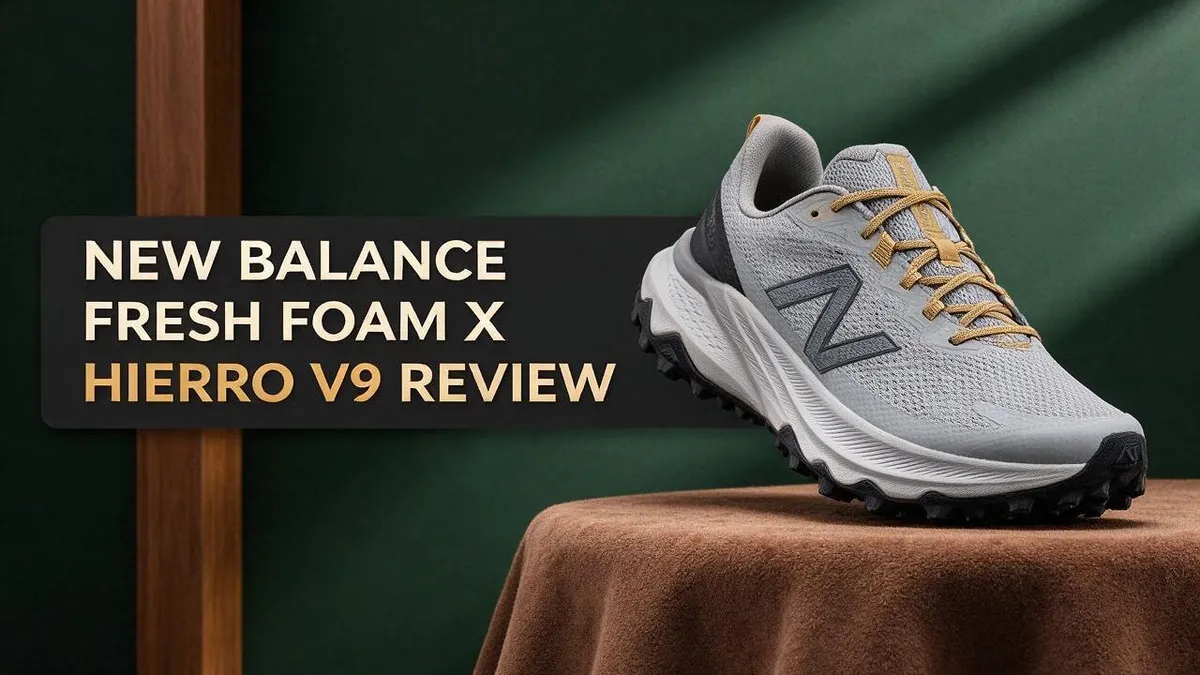
Trail runners want comfort that lasts mile after mile. The New Balance Fresh Foam X Hierro v9 aims to deliver just that. It is a neutral trail shoe built for runners who love plush cushioning.
Rugged paths can be rough on your feet. This shoe offers a soft ride with a Fresh Foam X midsole. Many runners say it feels surprisingly stable underfoot.
Grip matters on wet and muddy paths. The Vibram Megagrip outsole bites into loose dirt and rock. GORE-TEX adds waterproof protection when the weather turns bad.
Comfort does not stop at the sole. The roomy toe box gives your toes space to relax. Toe Protect adds extra guarding for the front of the shoe.
In this review, you will learn what works, what does not, and who should buy it. Let us dive in.
In a Nutshell
-
Stability stands out: This shoe feels surprisingly steady on uneven ground. Runners who worry about rolling an ankle may appreciate the extra sense of control.
-
The midsole got a real upgrade: This version builds on earlier models with a two layer foam setup. Many testers say the cushioning feels plush and supportive.
-
The ride can feel firm: Some runners find the midsole firmer than expected. A few say it seems to sink or collapse during heavy strides, so try it before you commit.
-
Roomy toes add comfort: The toe box gives your feet space to spread out. Long days feel less cramped, which helps on bigger outings.
-
Durability impresses owners: The outsole holds up well under rough use. Many owners say this shoe lasts longer than they expected.
-
Best for easy efforts: This shoe suits relaxed runs, hikes, and steady training days. It may not suit fast or highly technical sessions, and not every runner will love it.
Cushioning and Midsole Feel

- DUAL-DENSITY FRESH FOAM X MIDSOLE - Softer top layer delivers plush comfort while a firmer bottom...
- VIBRAM MEGAGRIP OUTSOLE - Traction Lug technology with revamped tread pattern and deeper 6mm lugs...
- TOE PROTECT TECHNOLOGY - Reinforced toe cap shields feet from rocks, roots, and trail debris...

Last update on 2026-11-16 / Affiliate links / Images from Amazon Product Advertising API Some of the links on this website are affiliate links, which means that at no additional cost to you, I earn a commission if you click through and make a purchase. I only recommend products and services that I believe will add value to my readers. Thank you for your support!
Step onto the Fresh Foam X midsole and you notice the layers right away. The dual density design gives the foam two jobs.
The softer top layer cushions each step. The firmer base keeps your foot from sinking too far.
The cushion feels full but not bouncy. Many runners describe a dense, grounded feel instead of a springy push.
Your feet sit on the foam rather than sinking into it. This suits people who like to feel the trail while staying protected.
The midsole also changes how each landing feels. Heel strikes feel padded, and the ride stays calm as you roll forward.
You do not get a lot of rebound. The shoe feels more like steady cushioning than a trampoline.
The firmness is noticeable. Some wearers say the midsole feels firmer than expected, especially early on. Your feet may need some time to adjust.


Last update on 2026-04-11 / Affiliate links / Images from Amazon Product Advertising API Some of the links on this website are affiliate links, which means that at no additional cost to you, I earn a commission if you click through and make a purchase. I only recommend products and services that I believe will add value to my readers. Thank you for your support!
Long-term foam feel needs attention. Some reviewers mention that the foam may start to collapse over time. This matters if you plan to run high mileage.
Watching how the midsole feels after many runs helps you judge its lifespan.
Shoppers often compare the ASICS Trabuco Max 5 and the Altra Olympus 7 before deciding. Each one offers a different cushion style, so test them side by side if you can.
Walk around the store and press the heel and forefoot firmly. A good fit lets the midsole support your stride without feeling harsh on hard surfaces.
Overall, the midsole suits runners who want plush protection with a firmer base. If you prefer a very soft or very springy ride, you may want to look elsewhere.


Last update on 2026-04-11 / Affiliate links / Images from Amazon Product Advertising API Some of the links on this website are affiliate links, which means that at no additional cost to you, I earn a commission if you click through and make a purchase. I only recommend products and services that I believe will add value to my readers. Thank you for your support!
Outsole Grip and Traction
The outsole uses Vibram Megagrip rubber with a lugged pattern. These lugs dig into loose dirt and gravel. Your feet feel planted when the trail climbs steeply.
Wet rock and slick roots test any trail shoe. The Megagrip compound holds firm on these surfaces. You can cross a damp stream bed with confidence.
Downhill runs bring a different challenge. Your heels brake hard while your toes push forward. The lugs help you slow down without sliding, so your stride stays controlled on long descents.
Mixed terrain asks a lot from one shoe. The tread handles gravel paths and packed dirt with steady contact. You rarely need to swap shoes when the path changes.
Grip has limits, though. Deep mud can fill the gaps between lugs and reduce bite. Very technical terrain may call for a more aggressive tread.
Shoppers often compare this tread with rivals like the ASICS Trabuco Max 5 and Altra Olympus 7. Each brand takes its own approach to lug shape and rubber. Test the grip on your usual routes before you decide.
Clean caked mud off the outsole after each run. This simple habit keeps the lugs working well. Your next trail session will feel just as secure.
Keep an eye on lug wear as miles add up. Worn lugs lose bite on slick ground. Check the tread edges every few weeks if you run often.
Traction also depends on your footwork. Shorter steps on loose surfaces help the lugs grab the ground. Light feet make the most of every lug.
Trail runners who lean forward slightly often feel more grip on climbs. Test on wet rock before a long race.
Waterproofing and Weather Protection
Wet trails can ruin a run fast. A good shoe keeps water out and lets sweat escape. This model uses a GORE-TEX membrane for that job.
The membrane sits inside the upper. It blocks rain, puddles, and splashes from soaking through. Your socks stay dry longer. That helps keep blisters away.
Breathability matters too. A fully sealed shoe can trap heat. The membrane lets moisture from your feet move outward. Your feet stay drier from the inside, even on warm days.
Morning runs through dew soaked grass are a common test. Wet ground can soak through a basic mesh upper in minutes. This shoe handles that moisture well, so your feet feel cooler and calmer.
Stream crossings are different. Water can rise above the shoe top. The membrane helps with shallow crossings. Deep water will still get in, so plan for a wet step now and then.
Slushy snow tests any waterproof shoe. Melted snow can slip in around the collar. Gaiters can help block it.
Cold weather adds another layer of concern. Wet feet lose heat quickly. Dry feet stay warmer and more comfortable on long outings. Pair the shoe with moisture wicking socks for best results.
Rain days call for a plan. Check the forecast before you head out. Pack a spare pair of socks for long trips. This shoe works best when you stay ready for changing skies.
Avoid direct heat when drying. Stuffing the shoe near a heater can warp the upper. Stuff it with newspaper and let it air dry at room temperature.
Overall, this shoe suits wet and cool runs well. It handles most rainy days with ease. Heavy storms may still test it.
Top 3 Alternatives
If the New Balance Fresh Foam X Hierro v9 does not fit your needs, these three options deserve a look. Each one offers a different feel on rough ground.
Hoka Speedgoat 5

- Synthetic network upper that offers maximum breathability
- Reinforced tongue with strategically positioned holes to promote breathability
- Intersuola with new light foam that improves reactivity
Last update on 2026-11-16 / Affiliate links / Images from Amazon Product Advertising API Some of the links on this website are affiliate links, which means that at no additional cost to you, I earn a commission if you click through and make a purchase. I only recommend products and services that I believe will add value to my readers. Thank you for your support!
The Hoka Speedgoat 5 gives you a cushioned ride for long days on the trail. Its thick midsole absorbs impact, so your legs feel fresher later in the run.
It suits runners who want plush comfort and steady grip on mixed terrain.
Brooks Cascadia 17

- THIS MEN’S SHOE IS FOR: The Cascadia 17 is for runners who want to explore any trail and feel...
- SOFT CUSHIONING: DNA LOFT v2 midsole technology provides soft cushioning over rugged terrain to...
- ENHANCED TRACTION: New TrailTack Green provides versatile traction on wet and dry surfaces for added...
Last update on 2026-11-16 / Affiliate links / Images from Amazon Product Advertising API Some of the links on this website are affiliate links, which means that at no additional cost to you, I earn a commission if you click through and make a purchase. I only recommend products and services that I believe will add value to my readers. Thank you for your support!
The Brooks Cascadia 17 focuses on stability and control. Its supportive frame keeps your foot secure on steep descents and loose rocks.
It works well for runners who want a balanced, dependable fit on varied trails.
Salomon Speedcross 6

- Unparalleled grip and precise, comfortable fit.
- Fit
- Comfort
Last update on 2026-11-16 / Affiliate links / Images from Amazon Product Advertising API Some of the links on this website are affiliate links, which means that at no additional cost to you, I earn a commission if you click through and make a purchase. I only recommend products and services that I believe will add value to my readers. Thank you for your support!
The Salomon Speedcross 6 shines in muddy and wet conditions. Its deep lugs bite into soft soil, giving you confident traction on slippery paths.
Choose this shoe if you run in rain or over technical, muddy routes.
Fit, Sizing and Toe Box
Fit is where this shoe really stands out. The toe box offers plenty of room, so your toes can spread out. That extra space feels welcome on long days when your feet swell a little.
Try the shoe on later in the day. Feet grow during activity, so afternoon fittings give a more honest result. Wear the socks you plan to use on the trail.
Start with your usual size, then check the front. Press your toes forward while standing. You should feel a small gap, roughly a thumb width, before the toe cap.
Heel hold matters just as much on steep climbs. Your heel should stay still when you walk uphill. If it lifts, try a tighter lacing pattern before you change sizes.
Lacing makes a big difference. Use the top eyelets to lock the heel in place. This trick also reduces pressure across the top of the foot.
Toe Protect adds a helpful layer of defense. The reinforced front cap guards your toes from rocks and roots. This feature matters on rocky paths where small kicks happen often.
Width needs a closer look too. Runners with wider forefeet often feel at ease in the front section. Narrow heels may need a snug lacing setup to stay secure.
Watch for pressure spots during your first runs. Look for rubbing near the pinky toe or along the sides of the foot. Adjust the laces or try thinner socks to ease the friction.
Break in time stays short for most wearers. Take a few easy runs first. Then add longer miles once the upper feels settled.
Some runners feel the fit changes over time. The upper may soften after several outings. Check the fit again before a long race or a big hike.
Stability and Support
Stability is a strong point for this shoe. Many runners say it feels steadier than they expected. The platform stays wide, which helps your foot sit centered on the midsole.
The firm midsole plays a role here. It resists twisting and keeps your stride predictable. That firmness can feel stiff at first, but it gives you a clear sense of control.
Think about your running style. Stability works best when your feet move in a natural line. If you land with a heavy inward roll, you may want extra support. This shoe is built as a neutral option, so it does not add firm guidance.
Uneven ground tests stability in a different way. Loose gravel, tree roots, and rocky paths push your ankle in many directions. A stable base helps you recover quickly. Stay patient with uneven sections, especially on long days.
Easy efforts show the best results. Slow climbs and steady descents feel controlled. Hard pushes or fast turns can shift the feel. Many runners use this shoe for relaxed weekend loops rather than racing.
Side to side movement deserves attention too. Quick cornering on narrow single track may challenge the shoe. Shorten your steps and lean slightly into turns. Your body does the work with help from the shoe.
Strong ankles make a big difference on this terrain. Try single leg balance drills twice a week. Calf raises and short hill sprints also build support. Over time, your body handles the shoe with more ease.
Some runners may want more guidance. Do not expect the shoe to correct your form. Instead, it supports your natural movement and keeps the ride calm. Test it on a short loop first to see how your body responds.
Durability and Wear
Many runners say this shoe lasts a long time on rough trails. The tough build holds up well through many training weeks.
The Megagrip outsole handles sharp rocks and roots without quick wear. Its rubber grips well even after a long season.
Midsole life often matters more than the outsole. Foam loses bounce slowly as it compresses under each step.
Because the Fresh Foam X feels firm, the change may be gradual. Many people notice the difference only after several months.
A few runners report that the midsole starts to collapse after heavy use. Watch for a flat or dead feel under your heel.
Hard downhill runs push the foam harder. Pounding descents compress the midsole more than gentle jogging does.
Rotating two pairs gives the foam time to rebound. Many runners find this extends the life of both shoes.
Keep a simple log of your miles. Note the date you started wearing the pair.
Replace the shoes when the cushion fades or aches show up in your knees or shins. Your body often signals wear before your eyes do.
Store the shoes in a cool dry spot between outings. Moisture and sunlight can speed up rubber and foam breakdown.
The upper also ages with use. Check the mesh and stitching after every few weeks of trail time.
Small tears near the toe can grow quickly on rocky ground. Look closely at the front after each rough outing.
Good care helps this shoe go the distance. Most trail runners will get a solid number of miles from a careful routine.
Overall, this shoe offers strong durability for steady training. Casual trail fans may enjoy many months of use from one pair.
Pros and Cons
Pros
- Plush cushioning feels soft on long trail miles.
- The midsole feels improved compared with earlier versions.
- It works well for relaxed, comfort-focused training days.
- Runners can use it as a dependable everyday trail trainer.
- Plenty of cushion helps tired legs feel fresher after a run.
Cons
- The firm ride may feel stiff to people who prefer very soft foam.
- It is less suited to racing or fast speed work.
- Not every runner will enjoy the feel of this shoe.
- Those who want a bouncy, responsive stride may look elsewhere.
Who Should Buy It
This shoe suits a specific kind of runner. It fits people who want one dependable pair for everyday trail miles.
New trail runners often feel overwhelmed by aggressive models. This shoe offers a calmer entry point. Learning the terrain feels simpler with a gentle, forgiving ride.
Beginners who feel unsure about trail running can build confidence here. Short routes on packed dirt make a good start. Gradual distance keeps joints comfortable as the body adjusts.
Hikers who run now and then may also find value here. The shoe switches easily between a walk and a jog. It keeps the mix of effort feeling natural.
Casual dog walkers often appreciate a shoe that handles mud, roots, and gravel paths in one outing.
Runners in rainy regions gain real benefits from this build. Soggy morning routes feel less stressful when feet stay dry.
Heavier runners often look for a steady platform. This model gives a grounded feel on loose gravel.
Runners who plan long, slow weekend outings may find this shoe a good companion. Comfort matters most when time on feet grows. Choose a pair that still feels calm after thirty minutes.
Those who value one shoe for many jobs may enjoy the flexibility. Use it for training, errands on dirt paths, and relaxed hikes. A versatile pick saves space in a gear bag.
Shoppers who want a quick comparison should test the ASICS Trabuco Max 5 or Altra Olympus 7 first. Each model fits feet differently.
Try shoes late in the day. Feet swell during activity, so afternoon fittings give a truer size.
Final Verdict
The Fresh Foam X Hierro v9 earns a solid place in a trail lineup. It suits runners who want one shoe for mixed days. It does not fit every goal. Fast racing and quick intervals call for a livelier ride. Pick a different model for those sessions.
Fit matters most here. Try the shoe on late in the day when feet swell a little. Leave room at the toes for downhill sections.
Think about the terrain you run most. Wet forest loops and dry dirt tracks suit it well. Smooth road routes feel less special here.
Long-run comfort often wins over raw speed for many people. Choosing this shoe means choosing ease over sharpness.
Overall, this shoe works well for steady, relaxed training. Runners who value comfort over speed will likely be happy. Those chasing a lively stride should keep looking.
Track your mileage too. Note when the cushion starts to feel flat. That signal tells you when to rotate or replace the pair.
Your feet give the final answer. A shoe that feels calm on the first mile often stays calm later. Pay attention to heel hold and toe space.
Think about your weekly plan. If you run three or four days a week, this model fits neatly. Heavy trail weeks may call for a backup option.
Final thoughts come down to your goals. Buy it for comfort, steady miles, and mixed surfaces. Skip it if speed and snap matter most.
The Hierro v9 rewards patience and steady habits. Give it a few weeks before you judge the feel. Your body adjusts too. That gradual approach often pays off.
Frequently Asked Questions
Does the Hierro v9 work well for wide feet?
Many runners like the roomy toe box. Your toes get space to spread out on long descents. Try the shoe on late in the day, when your feet are slightly swollen.
How long does the outsole last?
The Vibram Megagrip outsole earns praise for durability. Check the tread every few weeks. Replace the shoes when the lugs look worn flat.
Can the midsole collapse over time?
Some runners say the foam breaks down after heavy use. Watch for a heel that tilts inward or a packed, flat look. If new aches appear, the midsole may need replacing.
Is the GORE-TEX lining good for hot weather?
The waterproof lining keeps rain and puddles out. It can also trap heat on warm days. Choose this model for cool, wet trails, and pick a more breathable shoe for summer runs.
Does Toe Protect help on rocky trails?
Toe Protect adds a guard at the front of the shoe. It helps soften hits from rocks and roots. Runners who often kick stones may appreciate this extra layer.

Mia Smith is the founder of Shoe Storyteller, a blog that celebrates the art and stories behind shoes. With a passion for fashion and a flair for storytelling, Mia brings a unique perspective to the world of footwear.