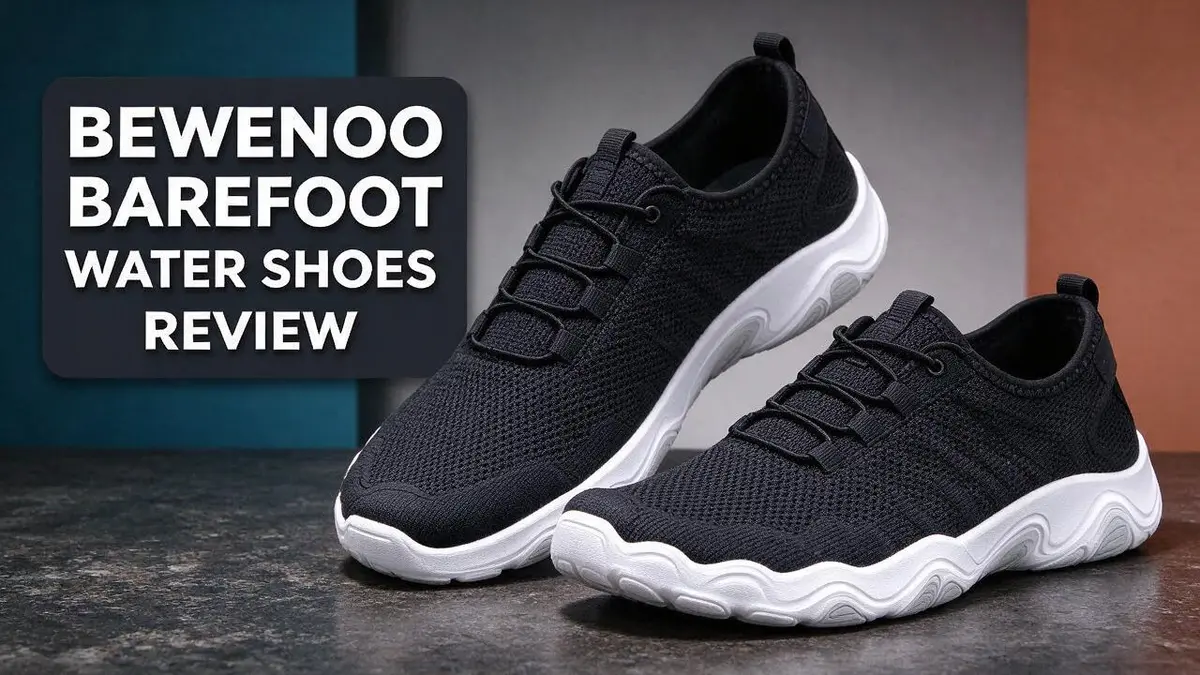
Bewenoo Barefoot Water Shoes Review 2026: Fit, Grip and Durability
Do you need a shoe that feels light on your feet by the pool, at the beach, or on a wet trail? Barefoot water shoes aim to give you that freedom.
They keep your feet close to the ground. They also protect your soles from sharp rocks and hot sand.
Bewenoo is one name you may spot while shopping in this category. Most brands here promise a similar mix of comfort and grip.
In a Nutshell
- Fits many users: Mesh or fabric uppers and rubber soles suit both men and women. The design works well for many daily wet activities, from pool visits to beach outings.
- Dries fast: Quick drying materials help your feet stay comfortable after splashes, rain, or waves. Breathable uppers also reduce that damp feeling during long days out.
- Solid grip: A slip resistant tread offers steady footing on wet decks, rocks, and boat ramps. This feature matters most on slick surfaces, and it can also help on uneven ground.
- Limited arch support: Many models offer less arch support than standard sneakers. People with flat feet or arch pain may want to add a supportive insole.
- Sole wear: Long sessions in surf or on hiking trails can wear down the sole over time. Checking the sole after heavy use helps you spot early signs of wear.
- Research note: Bewenoo specific sizing, specs, and performance were not verified here. These points reflect general traits of this shoe category, so check the product details before you decide.
Materials and Upper Construction

- Barefoot Comfort - Designed for a natural fit, these barefoot shoes feature an anatomically wide toe...
- Wide Toe Box - Built with a wide toe box, these breathable barefoot shoes give your toes more room...
- Quick-Dry Lightweight - The elastic air mesh upper and drainage holes in the sole make barefoot...
Last update on 2026-11-20 / Affiliate links / Images from Amazon Product Advertising API Some of the links on this website are affiliate links, which means that at no additional cost to you, I earn a commission if you click through and make a purchase. I only recommend products and services that I believe will add value to my readers. Thank you for your support!
The upper is the part that wraps around your foot. Its material decides how the shoe feels after hours of wear.
Look closely at the seams. Flat, bonded seams sit smoothly against the skin. Raised stitching can rub, especially when the shoe gets wet and soft.
Stitch count and thread type also play a role. Strong polyester thread holds up well against salt water. Weak thread can fray after repeated soaking and drying cycles.
Overlays matter too. Thin synthetic overlays near the toes add shape without much weight. They also help the shoe hold its form when water pulls on the fabric.
Drainage is another point to check. Small holes or mesh panels let water exit fast. This helps you avoid that heavy, soggy feeling after you step out of a pool.
The inner lining deserves attention. A soft lining protects the top of your foot from abrasion. Some models skip the lining, which keeps weight low but may feel rougher on bare skin.
Think about the toe box as well. A wider toe area gives your toes room to spread. This can feel more natural when you walk on uneven rocks or sand.
Watch for stiff heel counters too. A firm heel cup keeps the foot in place. Too much stiffness, though, can cause pressure or rubbing near the ankle.
Keep in mind the research gap. Bewenoo specific upper materials were not verified in this review. The details above describe what shoppers usually see in this category, so check the product listing for exact construction.


Last update on 2026-04-11 / Affiliate links / Images from Amazon Product Advertising API Some of the links on this website are affiliate links, which means that at no additional cost to you, I earn a commission if you click through and make a purchase. I only recommend products and services that I believe will add value to my readers. Thank you for your support!
Care also affects how long the upper lasts. Rinse off salt and sand after each use. Let the shoes air dry away from direct heat, since high heat can warp glue and synthetic materials.
Overall, a good upper balances breathability, comfort, and durability. Read the material notes carefully and compare them with your planned activities.
Fit, Sizing and Width
Fit matters more than you might think. A loose shoe can slide off in shallow surf. A tight shoe can pinch your toes after a long day on the trail.
Our research did not find a Bewenoo sizing chart. Check the brand size guide before you buy. Measure your feet at home first. Trace each foot on paper, then measure from heel to longest toe.
Measure late in the day. Feet swell a little after walking or standing. Measuring in the afternoon gives you a fit that works on your longest days.


Last update on 2026-04-11 / Affiliate links / Images from Amazon Product Advertising API Some of the links on this website are affiliate links, which means that at no additional cost to you, I earn a commission if you click through and make a purchase. I only recommend products and services that I believe will add value to my readers. Thank you for your support!
Think about socks. Most people wear these shoes bare or with thin socks. If you plan to wear thicker socks in cold water, you may need a half size up. Try the shoe on with the socks you plan to use.
Check the width. Many people have wider feet near the ball of the foot. Look for a shoe that lets your toes spread without squeezing the sides. If your foot feels pinched, try a wider option or a different model.
Use a reference shoe. Some competitors, such as WaiWaiGo barefoot shoes, list whole sizes from 6 to 8 with average width. Use that only as a rough guide, because Bewenoo may fit differently.
Consider your activity. Pool use needs less room than surf or hiking. For hiking, a snug heel and a little extra toe room help on downhill steps. Choose the fit that matches how you plan to use the shoes.
Test the heel hold. Walk up and down a few steps on a wet floor. Your heel should stay in place with little lift. Too much slipping can cause blisters on wet days.
Read the return policy. Photos cannot show how a shoe feels on your foot. A clear return option lets you test the fit at home, both dry and wet.
Grip and Sole Performance
Grip decides how safe you feel on wet ground. A good sole keeps you steady on slick stone and wet sand. Before you buy, look closely at how the bottom of the shoe is built.
Our research did not include Bewenoo specific sole data. The points here come from general barefoot and water shoe guides. Treat them as a starting point, not a promise.
Tread pattern matters more than many shoppers expect. Small lugs or grooves bite into wet surfaces. Deeper channels also push water away from the contact area.
Check the edges of the sole too. Sharp, defined edges can catch on rough rock. Flat, smooth edges often slide more on algae covered steps.
Sole flex affects ground feel. A thin, flexible sole lets your toes spread and grip. A thicker sole protects your feet but can feel less connected to the ground.
Rubber compound also changes performance. Many guides say softer rubber grips wet surfaces better. Harder rubber often lasts longer on abrasive ground.
Try a simple home test. Stand on a wet bathroom tile and lift one heel slowly. Notice whether the forefoot holds or slides.
Sand and grit can clog the tread over time. Rinse your shoes after each outing with fresh water. Then let them dry away from direct heat.
Inspect the sole glue line regularly. Peeling at the edge reduces grip fast. Stop wearing the shoes if you see gaps or loose rubber.
Good grip is about more than the bottom alone. Pair the sole with a secure heel hold and a snug fit. Then you can move with confidence on wet ground.
Compare the sole against a few other options before you decide. Look at how the tread wraps up the sides. This helps when you climb onto a boat or a slippery dock.
Remember that water shoes wear differently for each person. Heavier walkers may wear the tread faster. Keep notes on wear so you can judge quality over time.
Top 3 Alternatives
Merrell Hydro Moc

- Single injected EVA
- Articulated heel with strap for secure fit
- Merrell Air Cushion in the heel absorbs shock and adds stability

Last update on 2026-11-16 / Affiliate links / Images from Amazon Product Advertising API Some of the links on this website are affiliate links, which means that at no additional cost to you, I earn a commission if you click through and make a purchase. I only recommend products and services that I believe will add value to my readers. Thank you for your support!
Want a water shoe that is easy to wear? The Merrell Hydro Moc is a strong choice. Its slip on design goes on and off in seconds. The shoe dries fast after a swim, so it works well for beach days and lake trips.
Inside, you get a soft footbed. It feels comfortable on wet rocks and hot sand. Many people like it for casual outings and easy travel.
Xero Shoes Aqua X

- Natural Movement Design: Barefoot + minimalist principles with a wide toe box for natural splay...
- Lightweight Performance: Water-friendly hiker & trail runner
- Size up 1/2 size. Supportive Fit: Quick-drying open mesh for water drainage
Last update on 2026-11-20 / Affiliate links / Images from Amazon Product Advertising API Some of the links on this website are affiliate links, which means that at no additional cost to you, I earn a commission if you click through and make a purchase. I only recommend products and services that I believe will add value to my readers. Thank you for your support!
If you want a thin, flexible shoe, try the Xero Shoes Aqua X. It has a zero drop design, so your heel and toes sit at the same level. This helps your feet move in a natural way.
The sole is very light. You can feel the ground under your feet. The upper uses mesh that drains water quickly. This shoe suits hikers, paddlers, and anyone who loves barefoot style walking.
Vibram FiveFingers KSO
No products found.
Prefer a shoe that feels like a second skin? The Vibram FiveFingers KSO gives each toe its own pocket. This gives your feet full freedom to grip and stretch. The rubber sole offers good traction on slippery surfaces.
The fit takes some time to get used to. Start with short walks and build up slowly. Wear thin socks if you want extra comfort on wet days. Once your feet adjust, many wearers find them very natural and fun.
Comfort and Arch Support
Comfort matters most during long days in the water. Barefoot style shoes feel very different from regular sneakers.
Your foot needs room to move freely. That freedom starts with the first step and continues all day.
Arch support is the main gap. The research notes limited arch support in this category.
People with high arches or flat feet may feel strain after a long day.
Barefoot designs keep the sole thin on purpose. This lets your foot bend and feel the ground.
However, a thin sole gives very little lift under the arch.
A removable insole can help. Many people add a thin arch insert for extra lift.
Choose one that fits inside the shoe without crowding your toes. Take it out when you rinse the shoe.
Cushioning matters too. Press the heel and ball of the foot with your thumb.
A good footbed feels soft but firm. If it collapses fast, your feet may tire quickly.
Give your feet time to adapt. Start with short wears around the house or at the pool.
Add time slowly over one or two weeks. Your calves and arches need a few sessions to adjust.
Watch for hot spots during longer walks. Rubbing near the ankle or across the top of the foot can cause blisters.
Stop wearing the shoe if a spot turns red. Cover it with a bandage before your next outing.
Think about who benefits most from this style. People who enjoy a natural foot feel and short water sessions often love it.
Hikers who need heavy support should choose a different shoe. Or they can pair these with supportive inserts.
Our research gap still matters. No Bewenoo specific cushioning or arch data was found.
These tips come from general barefoot guidance. Read recent buyer reviews to confirm how the shoe feels on your feet.
Good comfort depends on your own feet.
Durability and Long-Term Care
Durability starts with how you rinse them. Salt water and sand stay in the mesh and wear the fabric down. Rinse your shoes with fresh water after every session at the beach or pool.
Our research did not include Bewenoo durability tests. The points here come from general barefoot and water shoe guides, so treat them as sensible habits rather than brand promises.
Dry them in shade, never in direct heat. High heat can stiffen rubber and weaken glue. Stuff the shoes loosely with a towel and let air move around them.
Skip the dryer and the radiator. Heat shrinks the upper and can crack the sole. A warm room with airflow works better and keeps the shape steady.
Control odor before it sets in. Wet fabric traps bacteria. Shake out the shoes, then air them out between wears. A light mix of water and mild soap cleans the inside well.
Hand wash for the best results. Machine washing can loosen stitching and damage the mesh. Use a soft brush and cool water, then press out extra moisture with a towel.
Rotate pairs when you can. Two pairs given a full day to dry last longer than one pair worn daily. This habit also keeps the lining from staying damp.
Store them somewhere cool and dry. Avoid hot car trunks and damp basements. Keep them loose in a breathable bag, not sealed in plastic.
Check the upper every few weeks. Look for loose threads, thin spots, or pulled seams near the toe box. Small repairs with strong thread or shoe glue can stop bigger tears.
Know when to replace them. Replace the shoes when the sole feels thin, the tread looks smooth, or water seeps through the upper quickly. These signs mean grip and protection have dropped.
A little care each week helps your shoes last.
Pros and Cons
Pros
- Lightweight feel keeps your feet comfortable on long days.
- Dries fast after a splash or a quick swim.
- Offers good grip on wet decks and slippery rocks.
- Stays comfortable when the ground gets soaked.
- Suits both men and women.
Cons
- Arch support is limited in this style of shoe.
- Soles can wear down after long surf or hiking sessions.
- Sizing details for this brand were not found, so check the size chart before you buy.
Who Should Buy It
Not every shopper needs the same footwear. Some people will get far more use from these shoes than others. Here is a closer look at who should consider them.
Frequent travelers who pack light will appreciate the low weight. One pair can cover hotel pools, beach walks, and quick ferry rides. Packing one pair frees up suitcase room for other essentials.
Families who spend summer days near water may find these helpful. Family members can slip them on fast before a splash. Quick drying fabric means fewer soggy shoes stuck in the car.
Paddle boarders and boat owners need steady footing on slick decks. Category reviews praise the grip on wet surfaces. These shoes suit people who spend hours on the water.
Hikers who cross creeks may also like them. The quick drying upper helps after a river crossing. Short creek walks suit them best. Dry feet stay happier on the walk back to camp.
People who dislike heavy shoes will feel relief here. The lightweight build keeps each step easy. Lighter footwear often feels better in warm weather. They also feel nice on warm sand.
Serious trail hikers who want thick, rugged soles may want a different style. Those wanting maximum cushioning should look at other models too.
People with active weekends will find them useful. They move from car to beach to café without swapping shoes. Fewer changes make busy days easier.
Gym goers and casual wearers may find them handy too. Easy wear suits quick errands near the pool. Many people like wearing them between activities.
Overall, these shoes suit people who spend time near water. They also fit anyone who values light, quick drying footwear. Think about where you will wear them most. Then match your daily plans to the features above and decide with confidence.
Final Verdict
Our verdict is cautious but hopeful. We could not confirm Bewenoo-specific test results, so this view relies on what most barefoot and water shoes offer. Still, the basic design makes sense for wet days and watery play.
Think about the sock question first. Many buyers wear thin socks with water shoes, and that choice changes the fit. Try the shoes with the socks you plan to use. A snug fit can feel loose later.
Compare before you commit. Shoppers often look at WaiWaiGo barefoot styles, plain water shoes, and neoprene bootie models. Each option handles fit and feel differently. Put them side by side and note which one feels most natural.
Measure at the end of the day. Feet swell with heat and movement, so late afternoon gives a truer reading. Measure both feet, since one is often larger. Pick the size that fits the bigger foot.
Wide feet and high arches need extra thought. The upper may feel tight across the top or width of the foot. Look for feedback from people with similar feet. Their comments often reveal fit issues that size charts miss.
Check the return policy early. Walk on a tile floor and climb a few stairs indoors. If your toes feel cramped or your heel slips, return them while you still can. Short tests reveal problems faster than long walks.
Keep your expectations realistic. These shoes suit short water sessions, beach walks, and casual outings. They do not replace a dedicated hiking boot or a supportive running shoe. Plan on using an insert if you need extra arch support. Knowing this upfront prevents disappointment later.
Final answer: buy them for water days, not every day. If your plans involve splashing, rinsing, and light walking, this style can fit your routine well. Measure carefully, read the return rules, and test the fit at home first. That simple process gives you a clear answer.
Frequently Asked Questions
Can I wear these shoes around a pool?
Yes, many people wear water shoes around pool decks. Rinse them after each use to keep the material fresh. Pool water can leave residue, so a quick freshwater rinse helps.
Do these shoes work for kids?
Many families buy water shoes for young children. Check that the size matches your child’s current foot length. A snug heel keeps the shoe on during games and play.
How should I clean them after salt water?
Rinse them with fresh water as soon as you can. Let them air dry away from direct heat. Salt can leave a crust, so a gentle wipe with a soft cloth keeps them looking clean.
Will they stay on during active play?
Fit matters more than style here. Tighten any straps or laces before you move around. A loose heel can slip off on wet ground, so take a moment to adjust it.
Can I trust the claims in this review?
We could not find Bewenoo-specific test results or customer data. Read recent buyer reviews on the product page before you decide. Those reviews often show how the shoes hold up over time.

Mia Smith is the founder of Shoe Storyteller, a blog that celebrates the art and stories behind shoes. With a passion for fashion and a flair for storytelling, Mia brings a unique perspective to the world of footwear.