WHITIN Water Shoes Review 2026: In-Depth Breakdown
Water activities call for shoes that can handle wet sand, slippery rocks, and cold lake water. That is where WHITIN water shoes come in. They offer a simple, lightweight design that many people love.
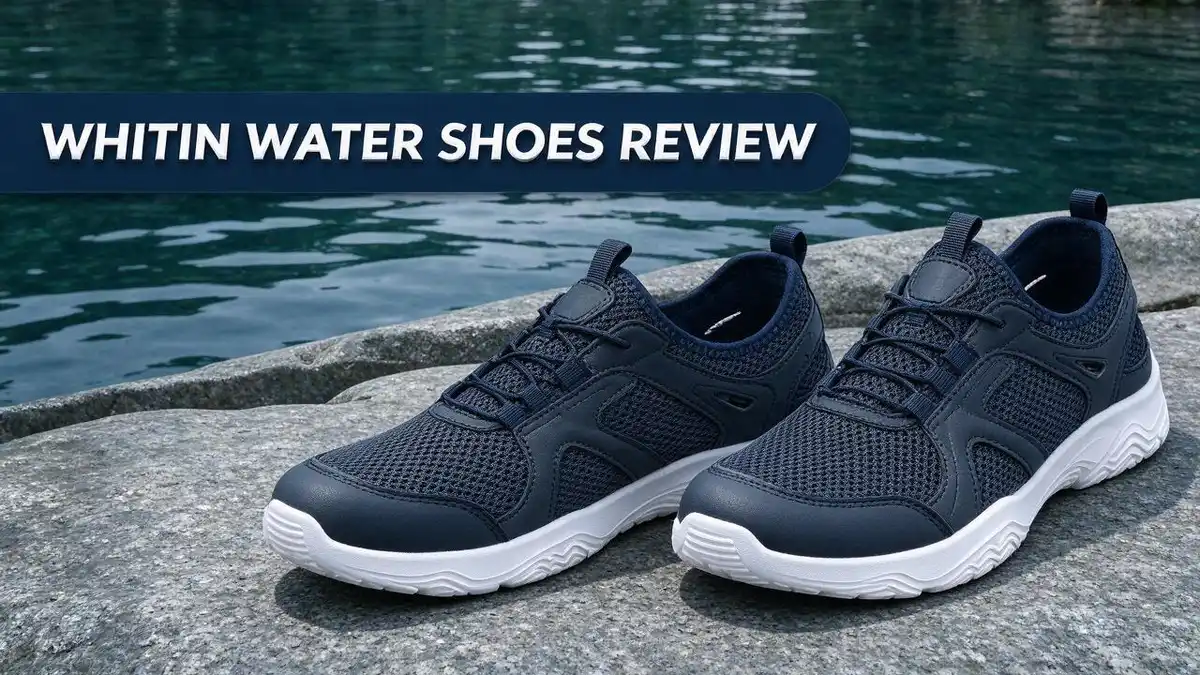
Made from fabric, these shoes slide on and dry fast after a day by the water. They work for the beach, lake trips, kayaking, fishing, and even casual walks around town. Men and women can both wear them.
Many shoppers praise the comfort and the true to fit feel for narrow feet. Still, some people find the sizing runs snug. Reviewers often suggest sizing up for a more relaxed fit.
In this review, you will learn what these shoes do well, where they fall short, and who they suit best. Keep reading to decide if WHITIN water shoes belong in your bag this season.
In a Nutshell
- Good for relaxed days out: These shoes fit well for a walk to the dock or a slow afternoon by the lake. You can wear them from the car to the water and back.
- Easy to pack: Their light weight helps when you travel. They take up little room in a bag, so you can toss them into a beach tote or a kayak bag.
- Clean and simple look: The minimalist design suits people who want a plain shoe with no extra details. You can wear them with shorts, swimwear, or casual outfits.
- Plan for a size up: Some wearers find the fit a bit tight, so check the size chart before you order. Going up one size often gives your toes more room.
- Best for light water use: These shoes work well for wading, rinsing off, and short trips in shallow water. They may not suit long hikes or heavy trail walks.
- Who should consider them: If you want one pair for fishing, kayaking, and casual wear, these shoes cover many needs. They come in styles for both men and women.
Materials and Build Quality

- Comfortable & Breathable Fit: Crafted from soft, stretchable fabric, the upper adapts to foot...
- Lightweight & Foldable Portability: Weighing just 0.36 lb (M8/W10), they compress easily into a...
- Snug Drawstring Protection: A drawstring design ensures a snug fit that effectively blocks out sand...
Last update on 2026-11-20 / Affiliate links / Images from Amazon Product Advertising API Some of the links on this website are affiliate links, which means that at no additional cost to you, I earn a commission if you click through and make a purchase. I only recommend products and services that I believe will add value to my readers. Thank you for your support!
The fabric upper shapes how these shoes feel and wear. Fabric bends easily with your foot, so the shoe moves with you on uneven sand or rocky edges near the shore.
Fabric also feels soft against bare skin. Many people wear water shoes without socks, so a smooth inside makes a real difference. Run your fingers along the lining before you wear them for a long day.
Build quality depends on how the parts join together. Stitching holds the upper in place, and neat seams keep the shape steady after many trips. Check the edges for loose threads when the shoes arrive.
The heel area deserves a look too. Press it gently with your thumb. The fabric should feel firm enough to hold your foot in place when you step in.
Salt water and sand can wear down any material over time. A quick rinse with fresh water after each outing removes grit. This small habit protects the threads and helps the shoes last longer.
Think about the ground you plan to cover. These shoes handle wet sand, shallow streams, and dock boards with ease. Sharp rocks or rough trails can snag fabric, so careful footing keeps the upper in good condition.
Fabric also lets air move around the foot. This can keep feet feeling cooler on warm afternoons, though results vary by person and weather.
Storage matters too. Let the shoes air dry in a shaded spot. Direct sun can fade the color and weaken fibers over time. Avoid leaving them in a hot car or near a heater.


Last update on 2026-04-11 / Affiliate links / Images from Amazon Product Advertising API Some of the links on this website are affiliate links, which means that at no additional cost to you, I earn a commission if you click through and make a purchase. I only recommend products and services that I believe will add value to my readers. Thank you for your support!
Expect some scuffs after regular use. Fabric often shows wear sooner than rubber or leather, but small marks rarely affect how the shoe works. Many owners see this as a normal part of water play.
Overall, the materials suit relaxed days by the water. Shoppers who want a rugged hiking shoe may need a sturdier option. For wading, rinsing, and light fishing trips, the build holds up well. They also make a handy spare pair for beach visits.
Fit and Sizing
Getting the right size matters a lot with these water shoes. A fit that feels fine on dry land can change once the shoe gets wet. Take a few minutes to measure before you order.
Measure your feet later in the day. Feet tend to swell a little after hours on your feet. Trace each foot on paper, then measure from the heel to the longest toe.
Compare that length with the size chart on the product page. Write the number down in both centimeters and inches. This gives you a clear starting point for your choice.


Last update on 2026-04-11 / Affiliate links / Images from Amazon Product Advertising API Some of the links on this website are affiliate links, which means that at no additional cost to you, I earn a commission if you click through and make a purchase. I only recommend products and services that I believe will add value to my readers. Thank you for your support!
Think about the socks you plan to wear. Thin liner socks leave more room inside. Thick socks can make the upper feel tight across the top of the foot.
Next, check the space at the front of the shoe. Your toes should have a little room to move. Stand up and press your thumb against the toe area to test it.
Heel hold is another key point. Walk a few steps around the house and notice any lift. A small amount of movement is normal for a slip on design.
Wider feet need extra care. The upper has no laces or straps to adjust. If your foot feels pinched across the middle, a larger size or another model may suit you better.
Wet conditions can change how a shoe feels. Test the fit indoors first, then rinse the shoes and wear them again. This helps you spot pressure points before a long day outside.
If your measurement falls between two sizes, pick the larger option. A little extra space feels better than a tight squeeze on hot sand or wet rocks.
Some shoppers in online forums report mixed sizing experiences. Compare your measurement with your usual sneaker size as well for extra confidence.
Take your time with this step. A quick fit check can prevent blisters and sore spots. Once the length, toe room, and heel hold feel right, you can enjoy your day by the water with confidence.
Comfort and Wearability
Comfort with these water shoes often depends on how they feel while you move. The lightweight build makes each step feel easy, even after a long walk.
Many wearers switch between sand, wooden docks, and grassy paths in one day. A thin, minimal sole lets you feel the ground beneath you. Many people find this helpful on slippery boat decks.
Those who prefer thick padding may notice less cushion than a heavy athletic shoe offers. Think about how far you plan to walk before you buy. Short trips suit this design best.
Temperature also shapes comfort on a sunny day. A light shoe keeps your feet from feeling weighed down after hours in the heat.
Transitions between land and water often feel smoother in a light shoe. You do not carry extra weight when you step from a boat to the shore. That ease adds up during a busy day of fishing and cleanup.
Comfort can shift with the activity you choose. Casual strolls feel relaxed, while kayaking or fishing asks your feet to stay steady on a deck or seat. Many users find the shoe steady enough for these light tasks.
Think about your pace too. Slow walkers and people who stand for long periods often enjoy a light, flexible feel. Fast runners or hikers may want more support elsewhere.
Wearing them all day is where small choices matter most. These shoes suit people who want a simple pair for relaxed days, not heavy outdoor trekking.
Many people say the shoe feels more natural after a few wears. Give it time, and you may find it settles into an easy routine by the water. A water shoe is not a running shoe, so keep your goals realistic. When you match the shoe to its purpose, the daily feel stays pleasant.
Top 3 Alternatives
Looking for another pair of water shoes? These three options work well for pools, beaches, and trails. Each one offers something a little different.
Merrell Hydro Moc

- Single injected EVA
- Articulated heel with strap for secure fit
- Merrell Air Cushion in the heel absorbs shock and adds stability

Last update on 2026-11-16 / Affiliate links / Images from Amazon Product Advertising API Some of the links on this website are affiliate links, which means that at no additional cost to you, I earn a commission if you click through and make a purchase. I only recommend products and services that I believe will add value to my readers. Thank you for your support!
Merrell Hydro Moc is a slip-on sandal built for wet days. Its quick drying design keeps your feet comfortable after a swim. The grippy outsole helps you walk on slippery docks and wet rocks.
This choice fits people who want easy on and off wear.
Keen Newport H2

- WATER-RESISTANT: Quick dry washable synthetic straps and lining for active use in and out of the...
- SUPPORT & COMFORT: Lace lock bungee capture system provides a secure fit while offering quick and...
- TRACTION & PROTECTION: Multi directional lugs with siping channels provide superior grip on slippery...
Last update on 2026-11-20 / Affiliate links / Images from Amazon Product Advertising API Some of the links on this website are affiliate links, which means that at no additional cost to you, I earn a commission if you click through and make a purchase. I only recommend products and services that I believe will add value to my readers. Thank you for your support!
The Keen Newport H2 gives you a sporty sandal feel with a secure fit. Adjustable straps hold your foot in place during long days outdoors. Many hikers and paddlers appreciate its supportive footbed.
Pick this option if you plan to kayak, hike, or explore rivers.
Speedo Surfwalker

- Hydrophobic
- Quick drying
- Sandwich mesh upper
Last update on 2026-11-20 / Affiliate links / Images from Amazon Product Advertising API Some of the links on this website are affiliate links, which means that at no additional cost to you, I earn a commission if you click through and make a purchase. I only recommend products and services that I believe will add value to my readers. Thank you for your support!
The Speedo Surfwalker is a lightweight water shoe made for active swimmers. It has a flexible sole and a snug, breathable upper. You can wear it in the pool, at the beach, or on a short walk around town.
Choose this shoe if you need something that moves with you.
Care and Durability
Good care helps these shoes last longer. Simple habits make a big difference over time. Most wear comes from heat and rough handling, not from one single day out.
Heat can warp the glue and soften the fabric. Keep them out of hot car trunks and away from radiators. Dry them in shade at room temperature instead.
Odor can build up when shoes stay damp. Let them air out fully before the next wear. Pull out the insole if it fits and let it dry on its own.
Rotate pairs when you can. Giving one pair a full day to dry helps the fabric and lining recover. Two pairs also make a spare available on busy weekends.
Gentle hand washing works best. Use lukewarm water and a mild soap. Skip harsh cleaners, bleach, or stiff brushes that can fray the fabric.
Durability also depends on what you step on. Sharp rocks, oyster shells, and coral can cut thin uppers. Choose smooth paths when possible and step carefully on rocky shorelines.
Sand can hide deep in the lining and rub the skin raw. Tap the shoes upside down before each wear. This simple step protects both the shoes and your feet.
Watch for stretching over time. Repeated soaking can loosen the fit. If the shoes start to feel loose, that change often means the materials have worn down.
Wet shoes also need time to reset their shape. Avoid squeezing them into tight spaces while damp. Let them keep their natural form as they dry.
Check the shoes every few weeks. Look for loose edges, small tears, or a sole that lifts. Catching small issues early keeps a minor problem from ending the shoe’s life.
Do not wear them for heavy hiking or long workouts. They suit light use by the water. Using them for the right tasks protects them and keeps them looking fresh for many seasons.
A simple care routine takes only a few minutes. The routine fits into any beach day. Small steps each week lead to better results over the months.
Pros and Cons
Pros
- Dries fast after a splash or a dip in the lake.
- Light on the feet for easy walks on sand and dock boards.
- Fits true to size for people with narrow feet.
- Works well for beach days, kayak trips, and fishing outings.
- Feels comfortable for casual wear around town.
Cons
- Runs snug, so many buyers choose a size up.
- Sizing feedback is mixed, with some Reddit users saying it feels off.
- The slim shape can feel tight on wider feet.
- Lacks extra padding, so long days may feel less cushioned.
Who Should Buy It
Think about your summer plans first. *These shoes suit people who spend a lot of time near lakes, rivers, and pools. Parents often pick them for kids who splash in shallow water. A simple pair keeps little feet moving without fuss.
Travelers also find them handy. They roll up small and fit easily into a beach bag or suitcase. People who rinse off at outdoor showers often enjoy how little effort they need.
*Boaters and paddleboard fans may like a shoe they can kick off in seconds. Quick removal helps on crowded docks. Families with toddlers may also appreciate the easy on and off. Quick changes save time when everyone wants to hit the water.
Campers who spend weekends near streams may find these shoes useful around camp. Anyone who wants one pair for many summer activities will likely find them useful. You do not need separate shoes for every outing.
Picture your typical week before you decide. If most days involve water, sand, or boardwalks, this style fits your routine. Think about how much support you need from your footwear. Hikers, runners, and gym goers usually need firmer structure elsewhere.
*Try them on with the socks you usually wear. Thin socks and thick socks change the fit, so this step matters. Some shoppers want one shoe for sports, office days, and everything else. This pair focuses on water and relaxed days instead.
Use the shoes for a few trips first. This test shows whether the fit and feel suit your habits. Your final choice should match your real plans, not just a passing summer mood.
Finally, match the shoe to your lifestyle. A relaxed summer routine with lots of water time makes this choice a smart fit. Choose them for days spent around water and you will likely feel satisfied.
Final Verdict
These WHITIN water shoes earn a place in the bag for people who love time near the water. They offer a simple and practical choice for many outdoor plans. They suit beginners, weekend paddlers, and anyone who wants easy gear.
Think about the moment you need them most. A surprise puddle or a sudden splash can ruin a day. Keeping a pair in the car or gym bag makes a quick fix possible.
Ask yourself what matters most. If you want a light shoe that goes on and off with ease, this pair delivers. If you need firm support or thick padding, a different style will serve you better.
The fit deserves a careful check at home. Stand on a hard floor for several minutes and watch how the heel behaves. Slipping or pinching during this short test often signals that a size change is needed.
Consider the surfaces you walk on most. Rocky lake bottoms and hot concrete feel very different under thin soles. Try a short walk on the ground you plan to use so you know what to expect.
Consider how often you will use them. Occasional users often find that simple shoes hold up well for light tasks. Frequent users should expect a shorter life and watch for wear on the sole and fabric.
Read recent reviews from people with feet similar to yours. Look for comments about width, sizing, and how the shoe handles dry days. Pay attention to repeated comments, since patterns reveal the most. Honest feedback from real owners helps you avoid surprises.
Plan a practice trip before a big outing. Wear them around the yard or near a pool for an hour. This test shows whether they rub, slide, or feel comfortable.
The bottom line is simple. These shoes suit light, casual use around water, docks, and camps. They may not suit anyone expecting hiking grip or heavy cushioning. Choose them for the right reasons, and they can serve you well.
Frequently Asked Questions
Can I wear these shoes to work?
They suit relaxed offices and casual errands. The minimalist look may not fit a strict dress code, so think about your daily dress rules first.
What should I check before I order?
Look for a clear return or exchange policy. Sizing feedback is mixed, so an easy exchange gives you a safer choice. Keep your receipt and packaging until you know the fit works for you.
How do I dry and store them after a trip?
Rinse off sand and salt with fresh water. Let them air dry in a shaded spot. Avoid direct sun and heaters, since heat can weaken the glue and fabric over time.
Can I wear them without socks?
Many people go sockless in warm weather. A thin sock may still reduce rubbing during long walks. Test them on a short walk first to see how they feel.
Do men and women both wear these shoes?
Yes, the design works for both men and women. The slip on style makes them easy for anyone who wants a simple shoe for water time.

Mia Smith is the founder of Shoe Storyteller, a blog that celebrates the art and stories behind shoes. With a passion for fashion and a flair for storytelling, Mia brings a unique perspective to the world of footwear.