Veja Campo Sneakers Review 2026: Worth It?
White leather sneakers all look the same in photos. The Veja Campo does not feel the same on foot. This French brand built its reputation on Amazonian rubber, chrome free tanning, and a logo that people either love or quietly dislike. At $175 in 2026, the Campo asks you to pay premium money for a simple shoe.
So the real question stands. Does the Campo earn that price after months of daily wear? I spent time with this sneaker, read lab measurements, and collected honest owner feedback from people who wore theirs for one and two years.
This review covers the good parts and the annoying parts. You will learn the exact sizing move to make, the break in truth, and the one flaw that shows up around month twelve. No fluff. Just the details you need before you tap buy.
In a Nutshell:
- The leather is genuinely premium. Lab testing under a microscope confirmed real bovine leather with natural grain, not embossed synthetic. A sandpaper abrasion test at 5,000 RPM left only a light scuff. The toebox scored a perfect 5 out of 5 for durability.
- Cushioning is the weak spot. Shock absorption measured 62 SA against a category average of 87 SA. The forefoot sits just 10.6 mm off the ground. You feel the pavement, and long days on concrete get tiring.
- Sizing runs small and half sizes do not exist. Most owners size up one full EU size. Wide feet often need a full size up. The Campo toebox measures 91.3 mm, a standard D width.
- Break in takes real patience. Expect two to four weeks of stiffness. The tall ungusseted tongue digs into the ankle, and many owners shift it sideways or skip the top eyelet.
- Long term durability is mixed. The outsole and upper hold up well. Heel lining wear and blown out heel interiors appear in multiple one year reports. Laces have also snapped early for some buyers.
- Best fit for the right buyer. Choose the Campo for style, material quality, and versatility. Skip it if you need cushioned support or you walk 20,000 steps daily.
What Are Veja Campo Sneakers?

- The size indicated on the label is: 36 EU
- Express shipping with taxes and duties included + Free returns within 30 days
Last update on 2026-09-12 / Affiliate links / Images from Amazon Product Advertising API Some of the links on this website are affiliate links, which means that at no additional cost to you, I earn a commission if you click through and make a purchase. I only recommend products and services that I believe will add value to my readers. Thank you for your support!
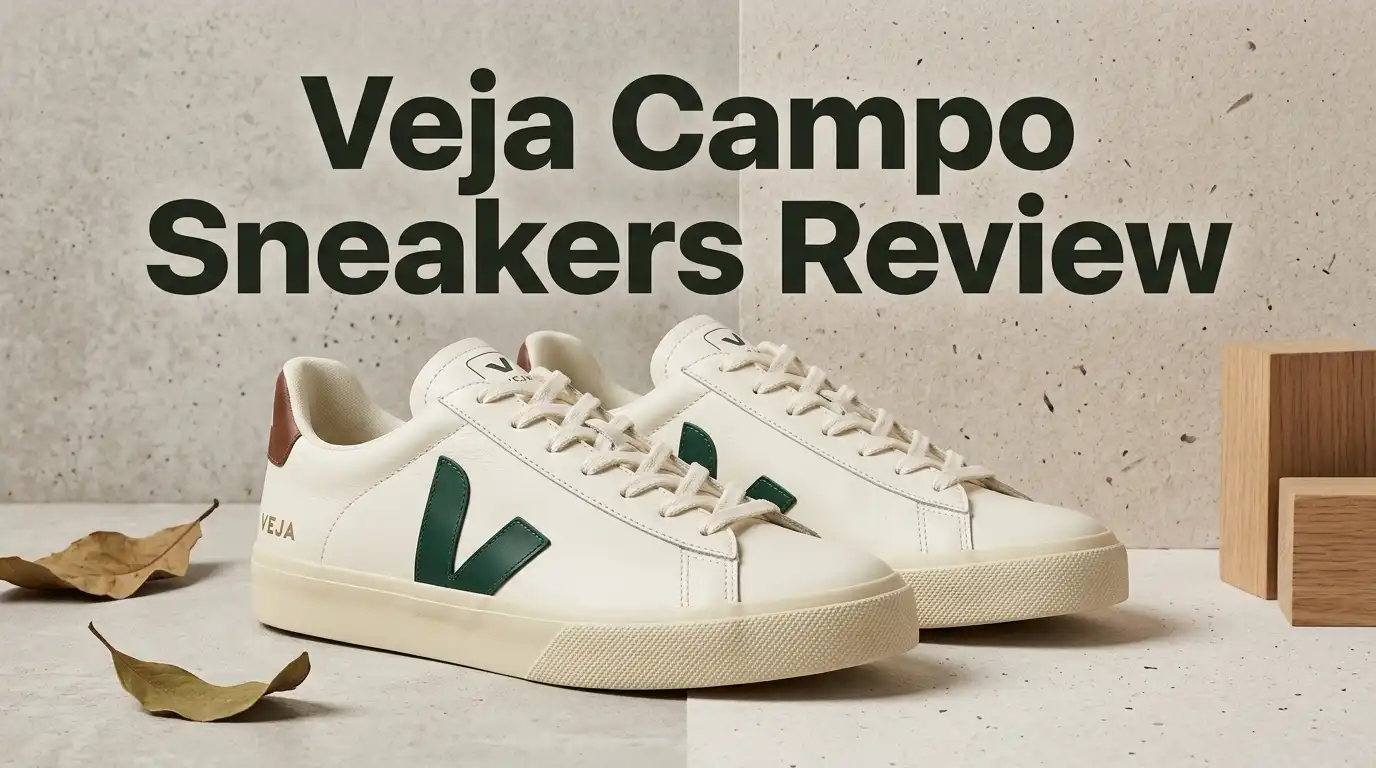
The Campo is Veja’s most popular silhouette and the shoe that carries the brand. Veja launched in Paris in 2005 with a direct promise. Source materials ethically from Brazil, pay fair trade prices, and skip advertising spend so the money goes into the product.
The Campo arrived later and became the crowd favorite. It uses a clean low top shape with a rounded toe, a vulcanized rubber sole, and the brand’s signature V logo stitched on the side panel. The upper comes in three material options. ChromeFree leather sits at $175, ChromeFree suede matches that price, and the organic cotton canvas version drops to $135.
The name Campo means field in Portuguese, which nods to the Brazilian roots of the supply chain. The rubber comes from wild Amazonian rubber trees tapped by seringueiro families. The insole blends Amazonian rubber, sugar cane based EVA, and organic cotton. The inner lining uses 100% recycled polyester.
Here is the part most brand pages skip. The Campo is a fashion sneaker first. Veja never designed it for running, gym work, or hiking. It replaced the dress casual shoe in many wardrobes because it pairs with chinos, jeans, midi skirts, and tailored trousers without effort.
Emma Watson and Meghan Markle wore Vejas around 2018, and the brand exploded. The Campo rode that wave and still sells out in popular colors. Understanding this context matters, because it explains both the price and the design choices you will read about next.
Unboxing the Veja Campo: First Impressions
The box arrives smaller and plainer than you expect for a $175 shoe. Veja uses a simple recycled cardboard box with minimal printing. No tissue paper theatrics. No branded dust bag. That restraint fits the brand message, though some buyers feel slightly underwhelmed.
Lift the lid and the shoes sit side by side wrapped in thin paper. The first thing you notice is the smell. Real leather has a distinct scent, and the Campo delivers it immediately. Synthetic sneakers smell like glue and plastic. This one does not.
Pick one up and the weight surprises you. A men’s US size 9 hits 14.5 oz, or 411 grams. That sits slightly above the sneaker average but feels lighter than the thick leather suggests.
Run a thumb across the upper. The leather has visible natural grain and small texture variations between the two shoes. This is normal for vegetable tanned hide and proves you are holding real material. Some buyers mistake it for a defect. It is not.


Last update on 2026-04-11 / Affiliate links / Images from Amazon Product Advertising API Some of the links on this website are affiliate links, which means that at no additional cost to you, I earn a commission if you click through and make a purchase. I only recommend products and services that I believe will add value to my readers. Thank you for your support!
The stitching looks tidy. The V logo sits flat and even. The heel patch uses genuine leather too, so Veja did not cut corners on the small details.
Inside, the insole feels plush under a finger press. It measures 11.5 mm thick at the heel, more than double the standard sneaker insole. Laces come flat and cotton based.
One small gripe from the first minute. The tongue is noticeably long and stiff straight out of the box. You feel it before you even lace up.
Design and Materials: A Closer Look
The Campo silhouette borrows heavily from classic tennis shoes. Think Stan Smith proportions with a slightly chunkier sole and more visible texture. The result reads as smart casual rather than sporty.
The ChromeFree leather is the headline material. Standard leather tanning uses chromium salts, which create toxic wastewater. Veja pays more for a process that skips chrome, heavy metals, and harsh acids. The leather also feels stiffer initially because of this, which is part of why break in takes time.


Last update on 2026-04-11 / Affiliate links / Images from Amazon Product Advertising API Some of the links on this website are affiliate links, which means that at no additional cost to you, I earn a commission if you click through and make a purchase. I only recommend products and services that I believe will add value to my readers. Thank you for your support!
The sole combines Amazonian rubber, silica mineral, and recycled rubber. Durometer testing showed 76.6 HC, roughly 10% softer than typical sneaker rubber. Softer rubber usually wears faster, yet abrasion testing produced only a 1.1 mm dent after 22 seconds at 10,000 RPM. That matches the category average exactly.
Outsole thickness sits at 3.6 mm. Thinner than average but adequate for daily city wear.
The midsole measures 22.3 mm at the heel and 10.6 mm at the forefoot. That gives an 11.7 mm drop, which takes pressure off the Achilles and supports the heel well. The tradeoff is very little ground buffer under the ball of the foot.
Flexibility impressed me most. The shoe needs only 7.4N of force to bend 30 degrees, far below the 13.1N average. A leather sneaker that flexes like canvas is rare.
No perforations exist anywhere on the leather upper. Breathability scored 2 out of 5. Summer wear gets warm fast.
Top 3 Alternative for Veja Campo
Adidas Stan Smith

Last update on 2026-09-12 / Affiliate links / Images from Amazon Product Advertising API Some of the links on this website are affiliate links, which means that at no additional cost to you, I earn a commission if you click through and make a purchase. I only recommend products and services that I believe will add value to my readers. Thank you for your support!
Cariuma OCA Low Premium Leather

- STYLE & CRAFTSMANSHIP: Blending Rio’s street and beach culture, these women’s sneakers feature a...
- ULTIMATE COMFORT: Experience superior comfort with our 100% vegan insoles crafted from organic...
- DURABLE & LIGHTWEIGHT: Built to last, the vulcanized construction includes a fully stitched...
Last update on 2026-09-12 / Affiliate links / Images from Amazon Product Advertising API Some of the links on this website are affiliate links, which means that at no additional cost to you, I earn a commission if you click through and make a purchase. I only recommend products and services that I believe will add value to my readers. Thank you for your support!
Veja Esplar

- Rubber sole
- Logo stitching on sides, Lining is a blend of soft cotton and recycled plastic water bottles, Sole...
- Round toe
Last update on 2026-09-12 / Affiliate links / Images from Amazon Product Advertising API Some of the links on this website are affiliate links, which means that at no additional cost to you, I earn a commission if you click through and make a purchase. I only recommend products and services that I believe will add value to my readers. Thank you for your support!
Comfort and Cushioning: The Honest Numbers
This section separates marketing from reality. The Campo is comfortable in a specific way and uncomfortable in another.
Step in feel is genuinely pleasant. That 11.5 mm insole does real work. Your foot lands on something soft, and the first impression suggests a cushioned shoe.
Then the lab data tells the other story. Shock absorption measured 62 SA. The average casual sneaker returns 87 SA. That gap is large. The plush insole sits inside a firm vulcanized sole, so impact energy passes through rather than disappearing.
Midsole softness measured 33.0 HA on a Shore A durometer, firmer than the 28.8 HA average. Energy return came in at 50.1%, which lands right on average. So the ride is not dead. It is just flat and firm.
What does this mean on foot? Two hours of walking feels fine. Eight hours on concrete does not. Owners consistently report foot fatigue and arch soreness during long travel days or theme park visits.
People with plantar fasciitis, flat feet, or arch pain should think carefully here. The Campo offers almost no arch support and minimal ground protection.
Torsional rigidity scored 2 out of 5, meaning the shoe twists easily. Heel counter stiffness rated 3 out of 5, described as moderate. Severe overpronation will not be controlled by this shoe.
One workaround exists. Some owners add a thin supportive insole on top of the stock one. This helps arch support but tightens the fit, so size up if you plan to do it.
Veja Campo Sizing Guide: What Size Should You Order?
Sizing causes more Campo returns than any other issue. Let me make this simple.
Veja uses EU sizing only and offers no half sizes. That single fact creates most of the confusion. Lab voting from 156 users marked the Campo as true to size, yet real world owner reports lean heavily toward sizing up.
Here is the pattern I found. If your true EU size exists cleanly, order it. If you normally wear a half size, order the next size up rather than down.
Women commonly report the following. A US 8 often maps to EU 39. Several owners found EU 39 roomy in the toe box with heel slip, and others found EU 38 too tight across the forefoot. The Campo sits between sizes for many feet.
Men report a cleaner experience. A US 9 usually matches EU 42 well.
The measurements support a standard fit. Widest point reads 91.3 mm, squarely in D medium width. Toebox width near the big toe measures 68.2 mm, also average. Toebox height reaches 29.0 mm, slightly taller than typical.
Wide feet need a full size up. The leather does stretch and mold with wear, but it will not solve a genuinely narrow fit.
If your pair runs slightly large, do not panic. Thicker socks, an added insole, or a heel grip pad usually fixes mild slip. A shoe that is too small will never become comfortable.
Order from a retailer with free returns and try both sizes at home. This is the single best piece of advice in this review.
The Break In Period: Prepare for Patience
Nobody warns you about this properly, so I will. The Veja Campo needs real break in time.
Straight out of the box the leather feels board stiff. The heel collar presses against your Achilles. The tongue sits tall and rubs the front of your ankle. Many first time buyers assume they ordered the wrong size.
Expect two to four weeks of regular wear before the shoe softens. Some owners report a full month. A few report blisters during the first week.
The trouble spots are predictable. Heel rub at the top of the collar comes first. Ankle pressure from the tongue comes second. Toe crease stiffness comes third.
Here is what actually helps. Wear the shoes for short sessions at home before taking them out for a full day. Two hours at a time works well.
Use thick socks during break in. This cushions friction points and stretches the leather gently.
Leave the top pair of eyelets unlaced. This single change reduces ankle pressure immediately and costs nothing.
Apply a leather conditioner to the heel collar interior. Softer leather rubs less.
A shoehorn prevents heel crushing and reduces leather creasing over the long term.
The tongue problem deserves its own note. The Campo tongue is not gusseted, meaning it is loose on both sides. It is also long. Many owners deliberately shift the tongue sideways while wearing the shoe. Others pay a cobbler to trim it. A $175 sneaker should not require a cobbler visit, and that is a fair criticism.
Durability After One Year: What Actually Fails
This is where honest reviews earn their keep. The Campo does not age perfectly.
The good news first. The leather upper holds up genuinely well. Abrasion testing left only minor scuffing, and one year owner photos show upper leather still looking presentable after regular cleaning. Creasing appears across the toe box, which is normal for all leather sneakers.
The outsole performs to average. A 1.1 mm wear dent under lab abrasion matches typical sneakers, and the 3.6 mm rubber layer gives reasonable life. Expect the tread to smooth out over eighteen months of heavy wear.
Now the problems. Heel interior failure is the most reported Campo issue. Multiple long term owners documented holes forming in the inner heel lining after roughly twelve months. One detailed review showed a large hole at the right heel at the one year mark.
Lab testing rated heel padding durability 4 out of 5, above average. So this is likely a wear pattern issue rather than a material defect. Feet that slide in a slightly loose pair will grind the heel lining faster.
Laces have snapped early for some buyers, in one case after only two weeks. Veja replaced them under warranty, which shows decent customer service.
Sole separation appears occasionally in owner reports after heavy use. It is not common but it exists.
The white leather also yellows slightly over time, especially in the rubber sidewall. Regular cleaning slows this but does not stop it.
What the Veja Campo Does Not Do Well
Every review should have this section. Here are the Campo weaknesses stated plainly.
It is not a walking shoe. The 62 SA shock absorption score and 10.6 mm forefoot stack make long distance walking tiring. Do not pack these as your only pair for a European city trip.
It is not breathable. Zero perforations and a leather upper produce a breathability score of 2 out of 5. Feet sweat in summer heat. Wear thin moisture wicking socks or choose the canvas version for warm months.
It is not weather ready. ChromeFree leather absorbs water and stains. Rain and mud require immediate cleaning. Salt damage in winter is a real risk.
It offers no arch support. People with foot conditions will need aftermarket insoles, and those change the fit.
The tongue design is flawed. An ungusseted tall tongue that slides sideways and digs into the ankle is a genuine design miss at this price.
There are no half sizes. In 2026 this feels outdated and causes unnecessary returns.
No pull tab exists. Getting the shoe on requires effort, and rushing crushes the heel counter.
The logo is polarizing. The V sits large and obvious. You either want that branding or you do not.
Resale value is modest. Unlike hyped sneakers, used Campos sell at steep discounts.
None of these points make the Campo a bad shoe. They simply define who should buy it. Style buyers get strong value here. Comfort seekers do not.
Pros and Cons of the Veja Campo
Pros
- Genuine premium leather confirmed by microscope and flame testing, with real grain instead of embossed synthetic texture
- Excellent toebox durability scoring a perfect 5 out of 5 after aggressive sandpaper abrasion testing
- Very flexible for a leather shoe at 7.4N versus the 13.1N average, so it moves with your foot naturally
- Strong traction with a 0.46 friction score, above the 0.42 average, on concrete and tile
- Thick 11.5 mm insole delivering a pleasant step in feel that most sneakers cannot match
- Ethical sourcing and fair trade practices with Amazonian rubber, organic cotton, and recycled polyester lining
- Versatile styling that works with jeans, chinos, dresses, and smart casual outfits
- Cleans up well with a damp cloth and basic leather care product
- Standard D width fit with a taller than average 29.0 mm toebox height, so no toe pinching
- Optimal 11.7 mm heel drop that reduces Achilles strain
Cons
- Poor shock absorption at 62 SA against an 87 SA average, causing fatigue on long days
- Very low forefoot stack of 10.6 mm, so you feel hard ground directly
- Break in takes two to four weeks with heel rub and blister risk early on
- Ungusseted tall tongue that slides sideways and presses into the ankle
- Low breathability rated 2 out of 5, with no upper perforations at all
- No half sizes offered, forcing compromise for many feet
- Heel lining holes reported by several owners around the one year mark
- No pull tab making entry awkward
- Premium $175 price for a shoe with average cushioning
- Not suitable for rain, mud, or winter salt without careful maintenance
Veja Campo vs Esplar vs V-10: Which One Fits You?
Veja offers three similar looking classics, and the differences matter more than the photos suggest.
The Campo sits in the middle and suits most people. It has a thicker sole than the Esplar, a slight platform lift, a higher tongue, and textured ChromeFree leather. Many owners call it the most comfortable of the three because of the higher footbed and added sole support. Price lands at $175.
The Esplar is the flattest and most minimal. It uses smooth leather, a thinner sole, and a lower tongue. Owners consistently describe the Esplar as stiffer than the Campo out of the box and less supportive underfoot. It gives the cleanest, most low profile look. Price sits around $130 to $150, making it the budget entry point.
The V-10 is the sportiest and most cushioned. It has a chunkier build, more panel detailing, and a larger V logo. Most reviewers agree the V-10 feels the most comfortable straight out of the box with almost no break in needed. It reads more casual and more athletic than the other two.
Here is the simple decision path. Choose the Campo for the best balance of smart styling and daily comfort. Choose the Esplar if you want the slimmest silhouette and a lower price. Choose the V-10 if immediate comfort matters most and you do not mind a bulkier look.
One note on sizing across styles. Veja fit varies between models, so your Campo size may not match your V-10 size. Always check the specific model before ordering.
How to Clean and Care for Your Veja Campo
White leather sneakers demand maintenance. Neglect them and they look tired in three months.
Start with prevention. Apply a leather protector spray before the first wear. This creates a barrier against water and stains and buys you time on spills.
For routine cleaning, wipe the upper with a damp microfiber cloth after each week of wear. Veja recommends exactly this. Do not wait until dirt sets in.
For deeper cleaning, mix a small amount of mild soap with warm water. Use a soft brush on the leather with gentle circular motions. Work on the rubber sidewall separately with a melamine sponge, which lifts scuff marks quickly.
Clean the laces separately. Remove them, soak in warm soapy water, then air dry. Replace them when they yellow, since dingy laces make the whole shoe look old.
Apply a leather conditioner every two to three months. ChromeFree leather dries out without it, and dry leather cracks along crease lines.
Never put Campos in a washing machine. The heat and agitation damage the vulcanized sole bond and can separate the glue.
Air dry only, away from radiators and direct sun. Stuff the shoes with paper towels to hold shape and absorb moisture.
Use a shoehorn every single time you put them on. This protects the heel counter and reduces interior wear, which directly addresses the heel lining problem.
Rotate between two pairs of shoes if possible. Giving leather a day to dry between wears extends its life significantly.
Veja Campo Price in 2026: Where Does It Sit?
The Campo leather retails at $175 in 2026. The suede version matches that. The organic cotton canvas version costs $135.
That places the Campo firmly in premium territory. For context, an Adidas Stan Smith costs around $100 and a Gazelle sits near the same point. You pay roughly a 75% premium for the Veja.
What does the extra money buy? Real ChromeFree leather, wild harvested Amazonian rubber, fair trade sourcing, and Brazilian manufacturing with audited labor conditions. You are paying for supply chain ethics and material quality, not for cushioning technology.
Discounts do exist and they matter. Nordstrom has listed the Campo between $114.99 and $175 on markdown. Zappos has shown prices near $136.99, roughly 22% off. Veja runs its own outlet with previous season colors discounted up to 60%, with some pairs dropping to $80.
Here is my practical take. Paying full price for a core white colorway is reasonable if you will wear it several times weekly. A $175 shoe worn 200 times a year costs under a dollar per wear.
Paying full price for a seasonal color makes less sense. Those colors go on sale reliably.
Watch the outlet section and end of season sales. Patience saves real money here without changing the product at all.
Compare against Cariuma too, which sells sustainable leather sneakers with more cushioning at a lower price point.
Who Should Buy the Veja Campo and Who Should Skip It
Let me make this direct.
Buy the Campo if you want a versatile smart casual sneaker. It dresses up with trousers and down with jeans better than almost any sneaker at this price. The silhouette reads intentional rather than athletic.
Buy it if material quality matters to you. The leather is genuinely excellent and tests prove it. Cheaper white sneakers use coated synthetics that crack within a year.
Buy it if ethical sourcing influences your spending. Veja publishes its supply chain practices and pays above market rates to Brazilian rubber tappers and cotton farmers. That transparency is rare in footwear.
Buy it if your daily walking stays moderate. Office days, coffee runs, dinner out, weekend errands. The Campo handles all of this comfortably.
Skip it if you walk long distances daily. The 62 SA shock absorption score is not enough for 15,000 step days on hard surfaces. Choose a cushioned sneaker instead.
Skip it if you have foot pain conditions. Plantar fasciitis, flat feet, and severe overpronation all need more support than the Campo provides.
Skip it if you want zero break in. The V-10 or a Cariuma OCA will feel better immediately.
Skip it if you live somewhere wet. Leather and constant rain are a poor match.
Skip it if half sizes are essential for your fit. Veja simply does not offer them, and forcing a size never works.
Final Verdict: Is the Veja Campo Worth It in 2026?
Yes, with clear conditions.
The Campo succeeds at what it was built for. It is a beautifully made leather sneaker with honest materials, a flattering shape, and styling range that few competitors match. The leather quality is not marketing talk. Lab testing confirmed it with microscope analysis, flame testing, and abrasion trials that left barely a mark.
The failures are equally real. Cushioning falls well below average. Break in demands weeks of patience. The tongue design is genuinely flawed. Heel lining holes appear in enough one year reports to take seriously. And $175 is a lot of money for a shoe with average impact protection.
So the verdict depends entirely on your use case. As a style shoe worn several times weekly for moderate walking, the Campo delivers strong value. The leather will outlast three pairs of cheap white sneakers and look better doing it.
As an all day comfort shoe or a travel workhorse, it disappoints. No insole swap fully fixes a 10.6 mm forefoot stack.
My rating sits at 8 out of 10 for style buyers and 5 out of 10 for comfort seekers.
Buy on sale if you can. Order from a retailer with free returns. Size up if you sit between sizes or have wide feet. Skip the top eyelet during break in. Follow those four steps and you will likely love this shoe.
Frequently Asked Questions
Do Veja Campo sneakers run small or large?
The Campo runs slightly small for many people, and Veja offers no half sizes. Lab voting from 156 users marked it true to size, but owner reports lean toward sizing up. If you normally wear a half size, order the next full size up. Wide feet should size up a full size. The interior measures 91.3 mm at the widest point, which is a standard D width.
How long does it take to break in Veja Campo sneakers?
Expect two to four weeks of regular wear. The ChromeFree leather starts stiff and softens gradually. Some owners report a full month before the shoe feels natural. Wear them in short sessions at home first, use thicker socks, and leave the top eyelets unlaced to reduce ankle pressure from the tall tongue.
Are Veja Campo sneakers good for walking all day?
No. Shock absorption measured 62 SA against an 87 SA average, and the forefoot sits only 10.6 mm off the ground. The Campo handles a few hours of walking well but causes foot fatigue during long days on concrete. Choose a cushioned sneaker for heavy walking or travel.
Can you wash Veja Campo sneakers in a washing machine?
Never. Machine washing damages the vulcanized sole bond and can separate the glue. Clean the leather with a damp cloth and mild soap, use a melamine sponge on the rubber sidewall, wash the laces separately by hand, and air dry away from heat.
Is the Veja Campo real leather?
Yes. Microscope analysis confirmed natural bovine leather grain rather than artificial embossing. A butane torch test showed the material did not melt or catch fire the way synthetics do. Even the heel collar patch uses genuine leather. The ChromeFree label means the tanning process avoids chrome, heavy metals, and harsh acids.
Which is more comfortable, the Veja Campo or the V-10?
The V-10 feels more comfortable straight out of the box with a chunkier, more cushioned build and almost no break in period. The Campo offers a cleaner, smarter look with a higher footbed than the Esplar. Choose the V-10 for immediate comfort and the Campo for versatile styling.
Do Veja Campo sneakers last a long time?
The leather upper and outsole hold up well, with lab abrasion results at or above average. The common failure point is the inner heel lining, where several owners reported holes forming around the twelve month mark. Using a shoehorn, ensuring a proper fit, and rotating pairs all extend the lifespan meaningfully.

Mia Smith is the founder of Shoe Storyteller, a blog that celebrates the art and stories behind shoes. With a passion for fashion and a flair for storytelling, Mia brings a unique perspective to the world of footwear.