New Balance Ellipse v1 Review: Worth the Splurge?
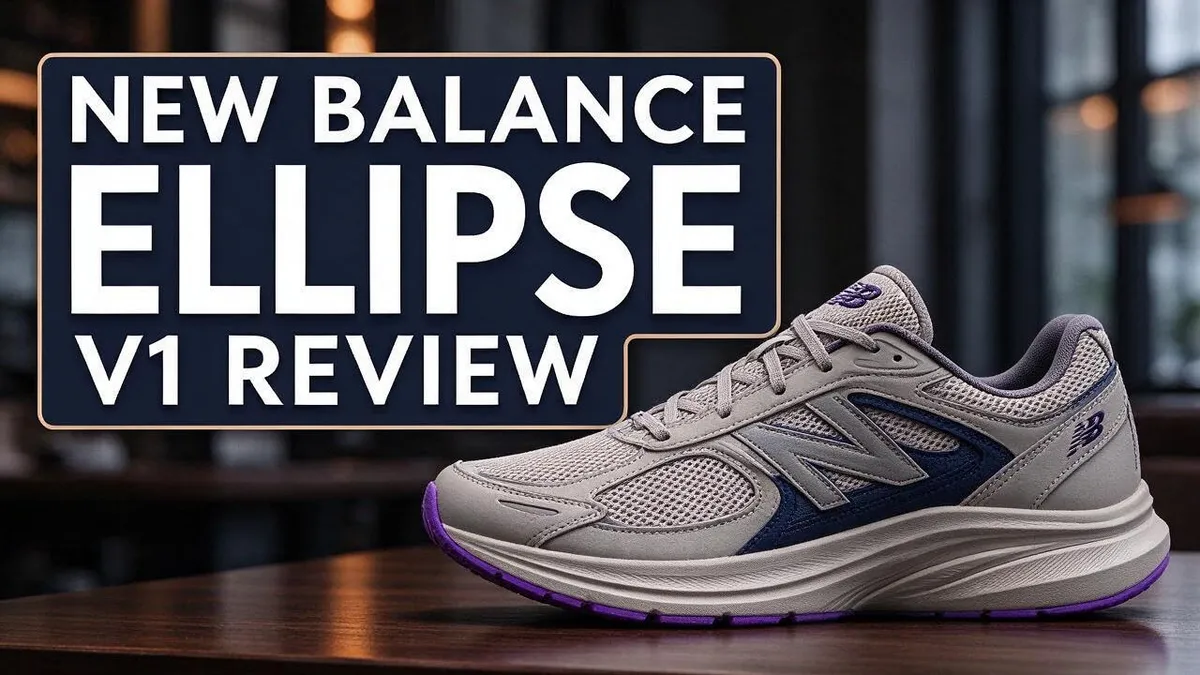
Looking for a shoe that feels good from the first step? The New Balance Ellipse v1 might be the answer. It offers plush, bouncy cushioning that keeps every run feeling light.
Many runners want comfort without losing stability. This daily trainer pairs a Fresh Foam X midsole with a secure, comfortable upper. The ride feels smooth and soft, yet never mushy.
Weight also plays a big role in how a shoe feels over long miles. One reviewer measured this model at 258g. That balance makes it easy to wear all week long.
In this review, we break down how the Ellipse v1 performs. We also compare it with rivals like the Skechers SKX Aero and Hoka Tecton X 4. Keep reading to see if this shoe fits your routine.
In a Nutshell
- Soft but never mushy: The ride feels plush and bouncy, yet it stays smooth from heel to toe.
- Feels planted: The midsole gives a steady platform, so each stride feels balanced.
- A secure fit: The upper wraps your foot well, so you feel locked in during every run.
- Built to last: The midsole and outsole work together, and the outsole handles daily wear with ease.
- Light on your feet: One reviewer measured the shoe at 258 grams, which keeps long sessions feeling manageable.
- A versatile daily option: Many people use it for training, errands, and walking. Shoppers often compare it with the Skechers SKX Aero and the Hoka Tecton X 4.
- One honest drawback: A reviewer felt it does not fully reinvent the wheel. The research did not mention any other major drawbacks.
Cushioning and Ride Feel

- FRESH FOAM X CUSHIONING - Soft Fresh Foam X midsole provides superior cushioning comfort without...
- ENGINEERED MESH UPPER - Lightweight and breathable engineered mesh upper keeps feet cool and...
- EVERYDAY RUNNING VERSATILITY - Designed to make your daily run the most enjoyable part of your day...

Last update on 2026-11-16 / Affiliate links / Images from Amazon Product Advertising API Some of the links on this website are affiliate links, which means that at no additional cost to you, I earn a commission if you click through and make a purchase. I only recommend products and services that I believe will add value to my readers. Thank you for your support!
Cushioning sets the tone for every mile you log. The New Balance Ellipse v1 uses a Fresh Foam X midsole. Sources report that this foam pairs EVA and TPEE materials, which can absorb impact while staying responsive.
Why this matters on hard surfaces: Pavement and concrete send shock up your legs. A cushioned midsole softens those hits. Your joints may feel less strain during longer sessions.
Ride feel changes with pace. At an easy jog, the shoe rolls forward with a gentle push. At a quicker tempo, many runners notice a more direct response from the foam underfoot.
Smooth movement from heel to forefoot. Your foot moves from landing to push off without feeling stuck. The transition feels natural, so each step flows into the next.
Softness without wobbling. Plush shoes can feel unstable on uneven ground. This model keeps the foam soft while the platform stays steady underfoot. That balance matters when you want comfort without losing confidence.
How it compares with rivals. The Ellipse v1 sits alongside the Skechers SKX Aero and the Hoka Tecton X 4. Shoppers often weigh these options when they want a cushioned daily trainer. Each model offers a different feel underfoot.
Who will enjoy this ride. Runners who want plush cushioning for long miles will likely appreciate it. Anyone who prefers a firm, fast feel should test it carefully before buying.
Sock and insole choices matter too. A thicker sock can change how the cushioning feels. Some runners add their own insoles, which may shift the ride height and comfort.


Last update on 2026-04-11 / Affiliate links / Images from Amazon Product Advertising API Some of the links on this website are affiliate links, which means that at no additional cost to you, I earn a commission if you click through and make a purchase. I only recommend products and services that I believe will add value to my readers. Thank you for your support!
Surface changes the experience. Trails, tracks, and treadmills each create different impact. On softer ground, the foam may feel more forgiving, while hard roads reveal more of its cushioning.
Try before you commit. A short walk or easy jog around the block shows how the foam feels. Your own feet will give the clearest answer.
Support and Stability
Support matters just as much as cushioning. Many runners notice their feet roll inward after several miles. Good support keeps the leg in a steady line. This helps the body feel less worn out at the end of a session.
The Ellipse v1 handles this job with a calm, even base. Its soft foam offers a gentle landing, while the platform underneath stays settled.
Think of stability as a quiet helper. You may not notice it on a short jog. Late in a long run, though, your legs often feel the difference.


Last update on 2026-04-11 / Affiliate links / Images from Amazon Product Advertising API Some of the links on this website are affiliate links, which means that at no additional cost to you, I earn a commission if you click through and make a purchase. I only recommend products and services that I believe will add value to my readers. Thank you for your support!
Fatigue changes how your foot moves. Tired muscles can let the ankle drift sideways. A supportive shoe can limit that drift and help your form hold together.
Who benefits most? Neutral runners often enjoy this ride without extra gear. Runners who overpronate should test the fit with care. Every foot works differently.
Check the heel area when you try it on. A firm heel counter holds the back of your foot in place. Lace the shoe snugly, but avoid pressure on the top of your foot.
Walk around the store for a few minutes. Notice whether your heel slips or your arch feels pressed. Those small signs tell you more than any spec sheet.
Support also matters on uneven paths. Curbs, gravel, and grass change the angle of each step. A settled base helps your ankle stay steady when the ground shifts.
Test the shoe on your usual route. Run a short loop before you commit to longer distances. Pay attention to how your feet feel at the end.
Support should feel natural. The best stability comes from a shoe that fades into the background. When your stride stays smooth and your ankles stay calm, the shoe is doing its job. Think about how it supports you during the whole run, not just the first mile.
Upper Fit and Comfort
The upper matters more than many shoppers think. Your foot spends hours inside it every day. Good comfort starts with how the material sits against your skin.
Many people focus only on cushioning. The upper deserves equal attention. It shapes how your toes, arch, and heel feel after the first mile.
Toe room often decides whether a shoe feels right. Your toes need space to spread when you push off. A cramped front can cause pressure, so check this area first.
Feet change size during the day. They often swell after work or a long run. Try the Ellipse v1 later in the day, when your feet feel their largest.
Wear your usual running socks when you test the shoe. Thick socks can make a fit feel tight. Thin socks can hide a loose heel. Match your sock type to your real routine.
Pay attention to pressure points. Look for rubbing near the ankle, the top of the foot, or the sides of the toes. Gently press along the seams with your fingers. A comfortable upper should feel smooth, not pinched.
Lacing changes everything. Adjust the laces to suit your foot shape. Loosen the eyelets near the toes if the top feels tight. Tighten the middle section if your foot slides forward.
Reviewers describe the upper as soft against the skin, which helps during long sessions. Still, comfort is personal. Some runners prefer a snug feel, while others want more freedom. Your skin tells you more than any review.
Sizing deserves careful thought too. Some people choose a half size up for extra room. Others keep their normal size when the fit feels even all around. Your best choice depends on how your foot feels, not on a chart alone.
Take a few minutes to move around before you decide. Stand on your toes, bend your knees, and walk briskly. Notice any spot that feels sore or restricted. Small issues in the store often grow into big problems on the road.
Top 3 Alternatives
Brooks Ghost 16

- THIS MEN’S SHOE IS FOR: Runners looking for a smooth ride that won’t distract from the fun of...
- SOFT CUSHIONING: The Ghost 16 offers neutral support while providing soft, nitrogen-infused DNA Loft...
- SMOOTH TRANSITIONS: The soft midsole and Segmented Crash Pad promotes an easy flow from landing to...
Last update on 2026-11-01 / Affiliate links / Images from Amazon Product Advertising API Some of the links on this website are affiliate links, which means that at no additional cost to you, I earn a commission if you click through and make a purchase. I only recommend products and services that I believe will add value to my readers. Thank you for your support!
The Brooks Ghost 16 offers a soft, smooth ride for daily runs. Runners who want comfort on long miles often pick this shoe.
Its smooth transitions help the stride feel natural from heel to toe. The upper fits snugly and feels breathable. It works well for easy runs, recovery days, and walking after a workout.
Hoka Clifton 9

- HOKA
- HOKA Clifton 9 Womens Shoes Size 7.5, Color: Black/Rose Gold
- Black/Rose Gold
Last update on 2026-11-01 / Affiliate links / Images from Amazon Product Advertising API Some of the links on this website are affiliate links, which means that at no additional cost to you, I earn a commission if you click through and make a purchase. I only recommend products and services that I believe will add value to my readers. Thank you for your support!
The Hoka Clifton 9 gives extra cushion with a light feel. Its thick midsole absorbs shock well.
Runners who like a soft landing often choose this model for long runs. Many runners enjoy the rocking motion that helps them roll forward. The shoe weighs little for its size, and it suits people who have sore joints. Some runners find the fit a bit roomy, so trying a half size may help.
Asics Gel-Nimbus 26

- Engineered knit upper: A lightweight, breathable knit material that reduces the need for additional...
- PureGEL technology: Softer, updated version of our GEL technology that maintains all the acclaimed...
- FF BLAST PLUS cushioning: Midsole foam that provides a blend of cloud like cushioning and a...
Last update on 2026-10-13 / Affiliate links / Images from Amazon Product Advertising API Some of the links on this website are affiliate links, which means that at no additional cost to you, I earn a commission if you click through and make a purchase. I only recommend products and services that I believe will add value to my readers. Thank you for your support!
The Asics Gel-Nimbus 26 provides plush support and a comfortable stride. Gel pads in the heel add extra shock absorption.
Many people use it for road running and gym days alike. This shoe fits runners who want a cushioned choice for steady training. The engineered mesh upper keeps the foot cool. It handles everyday mileage with ease, and heavy runners often appreciate its stable base.
Durability and Outsole Wear
Durability matters once you start logging real miles. A shoe can feel great on day one. The outsole decides how long that feeling lasts.
The Ellipse v1 uses a durable outsole, according to reviewers. That gives you a solid base for daily runs.
Outsole wear shows up first on the heel. Most runners land on the rear part of the shoe. Check this area every few weeks.
Look for flat patches or smooth spots. Tread that wears down unevenly can shift your stride. Wear patterns also reveal details about your running form.
Forefoot wear matters too. Many runners push off through the toes. A worn forefoot can make the shoe feel less grippy on wet pavement.
Rotate your shoes if you run often. Giving the foam time to recover helps it last. Rotation also spreads the wear across two pairs.
Midsole feel changes slowly. You might not notice the first signs. Watch for a flat, dead feeling under your feet.
Creases in the midsole also show age. Deep folds across the foam signal less support over time. Replace the shoe when these marks appear.
Store your shoes somewhere cool and dry. Heat and damp air can weaken materials. Avoid leaving them in a hot car.
Cleaning helps too. Wipe off grit and small stones from the tread. Trapped debris can speed up wear on the rubber.
Keep a simple log of your miles. Note your monthly distance in a notebook or app. This habit helps you know when the pair is due for replacement.
Think of the outsole as your shoe’s first line of defense. It takes the hit from every step. Healthy tread protects the midsole, so the cushioning lasts longer.
Treat the shoe with care, and it will reward you with steady miles for months. Good habits make a real difference.
Weight and Versatility
Weight matters more than many runners expect. Every gram adds up over a long run. One reviewer measured the Ellipse v1 at 258 grams, which gives you a clear starting point.
A lighter shoe often feels quicker underfoot. Your legs lift less with each stride. This effect grows over longer distances, so even a small difference can change how fresh you feel late in a run.
Plush cushioning often adds bulk. This shoe keeps its weight in check, according to one reviewer. Lightness and comfort do not need to fight each other.
Versatility is the second big win. Reviewers describe the Ellipse v1 as a versatile daily trainer. You can use it for easy miles, recovery jogs, and relaxed walks. One pair can cover many of your weekly needs.
Think about how many days you train each week. If you run most days, a versatile shoe can handle most sessions. Switching between easy and harder days stays simple. You may not need a separate pair for every type of run.
Some runners still like a second pair for faster workouts. Others prefer one shoe for everything. Both choices can work well. Your running style decides which path makes sense.
Compare the weight with your rivals. Skechers SKX Aero and Hoka Tecton X 4 are the top competitors people mention. Check how each one feels in your hands first. Then move to a short test run.
Pay attention to how your legs feel after ten minutes. A heavy shoe can make your calves tire sooner. A lighter feel helps you keep a relaxed pace. Note how your legs feel at the end of the loop.
Weight and versatility work together. A manageable weight and a flexible design make the Ellipse v1 a practical choice for everyday runners.
Pros and Cons
Pros
- Plush cushioning feels bouncy from the first step.
- Stability keeps your foot steady when your legs start to tire.
- The ride feels smooth and soft, never mushy.
- The midsole balances comfort and support on longer runs.
- The upper fits snugly, so your foot stays in place.
Cons
- Shoppers who want a major redesign may feel underwhelmed.
- Runners who prefer a minimal feel may find it too cushioned.
- Reviews are still limited, so long term data is thin.
Who Should Buy It
Many runners want one shoe that handles most of their week. The Ellipse v1 suits people who prefer a simple, dependable setup.
New runners often gain confidence with a predictable shoe. Beginners are still building a habit and learning how their bodies respond. A comfortable everyday option makes early runs feel more approachable.
Returning runners may also find this shoe helpful. After a break, your legs need gentle miles before harder efforts. Easy daily wear can help you rebuild a steady routine.
Walkers who train for a race might consider it too. Training plans often mix shorter days with longer, slower outings. A cushioned daily shoe can handle that variety without much fuss.
Gym goers who also jog outdoors may appreciate the flexibility. Some people split their week between treadmill sessions and road routes. This model can work well for both settings.
Shoppers who like a familiar feel should take a close look. Because the Ellipse v1 does not fully reinvent the wheel, it keeps things recognizable. People who dislike big changes may feel comfortable right away.
Think about your daily routine as well. Some people run before work, while others jog after a long day at a desk. Choose the shoe that supports the schedule you actually keep.
Finally, match the shoe to your weekly plan. Count how many days you run and how far you usually go. Then picture your typical session before you decide. A clear plan makes the choice much easier.
Wearing a pair for a short test jog around the block can reveal how it suits your running style. Trust how your body feels during that first short run.
Final Verdict
Our final verdict is positive. The New Balance Ellipse v1 earns a place on the shortlist for many road runners. It offers a comfortable and steady ride without asking for much in return.
Think of it as a dependable workhorse rather than a showpiece. It focuses on everyday miles instead of flashy features. That focus suits most training weeks.
This shoe rewards consistency. Each run feels similar, so you can judge your progress with confidence. Steady feedback helps you stick with your plan.
Who should say yes? Runners who log regular weekly miles should give it a close look. So should people who mix easy runs with a few faster efforts.
Who might look elsewhere? Shoppers hunting for a racing flat will likely pick something sharper. Those who want an extremely firm feel may prefer another option.
Try before you commit. Wear your usual running socks during the test. Late afternoon is ideal because feet swell a little during the day.
Walk around the store and jog a few steps on a firm surface. Check that your heel stays put. Notice whether your toes have room to spread.
A quick checklist helps. Ask yourself three questions. Do you run most days? Does the shoe feel calm on your feet? Will it handle both your easy and steady sessions?
Sticking with one reliable pair also simplifies your shopping. You know what to expect each time you lace up.
Bottom line: The Ellipse v1 makes a smooth and dependable partner for everyday running. Give it a fair trial over several weeks before you decide. Your own legs will tell you the truth.
Keep an eye on new feedback too. Fresh reviews will add more detail as more people test the shoe. Until then, your own experience matters most.
Frequently Asked Questions
What midsole does the Ellipse v1 use?
The Ellipse v1 uses a Fresh Foam X midsole. Some sources report that it blends EVA and TPEE foam. This mix gives the shoe its soft feel underfoot. You can expect a cushion that feels springy without losing its shape over time. Check the product details if you want the exact foam makeup for your own records.
How heavy is the Ellipse v1?
One reviewer measured the shoe at 258 grams. That weight suits a daily trainer, so it works well for everyday miles. Lighter shoes often feel quicker, but this one aims for comfort over speed. Your own feel matters most, so try a pair on before you decide.
Which shoes compete with the Ellipse v1?
The top competitors named in reviews are the Skechers SKX Aero and the Hoka Tecton X 4. Compare these options side by side. Look at the fit, the ride, and how each shoe handles your weekly plan. Pick the one that feels right on your own feet.
Are there any drawbacks to the Ellipse v1?
A reviewer noted that the shoe does not fully reinvent the wheel. The research did not cite any other drawbacks. Your own test run is the best way to judge it. Wear your usual socks and jog a few steps on a firm surface. If the shoe feels comfortable and stable, it may be a good fit for your routine.

Mia Smith is the founder of Shoe Storyteller, a blog that celebrates the art and stories behind shoes. With a passion for fashion and a flair for storytelling, Mia brings a unique perspective to the world of footwear.