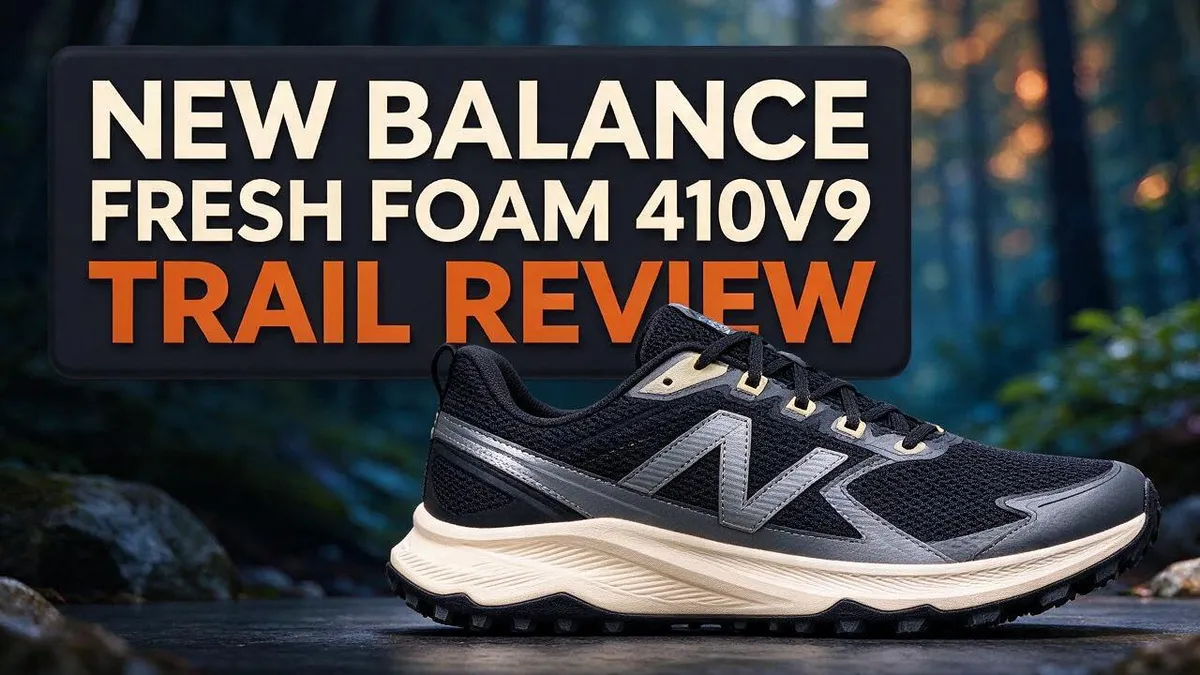
New Balance Fresh Foam 410v9 Trail Review: Final Verdict
Hunting for a trail shoe that feels soft under your feet? The New Balance Fresh Foam 410v9 Trail might be the pick you need. It brings a cushioned ride to rocky paths and dirt routes.
Customers rate its quality at 4.3 out of 5. One reviewer even calls it among the most cushioned shoes tested. That kind of comfort matters on long runs.
The shoe uses a breathable mesh upper. Its AT Tread outsole grips dirt and other trail surfaces well. A Fresh Foam midsole adds the soft bounce many runners want.
In a Nutshell
- Grip on dirt: The AT Tread outsole holds well on dirt and other trail surfaces. This helps you feel steady on loose ground and damp paths.
- Soft ride: The Fresh Foam midsole gives a cushioned feel underfoot. One reviewer calls it one of the most cushioned shoes tested, so long runs may feel easier.
- Sizing alert: Customers say the shoe runs small, and the fit rating sits at just 2 out of 5. Many buyers may want to size up for a roomier feel.
- Firmer outsole: The rubber outsole feels harder than the V8, which may matter on rocky routes. Softer shoes may suit runners who want more give.
- Weather limits: This shoe is not water resistant, so soggy trails can soak through the upper. Pack a dry pair of socks for wet outings.
- Secure closure: A lace closure lets you adjust the fit across the foot. This makes it easier to lock your heel in place.
Cushioning and Ride Feel

- FRESH FOAM CUSHIONING - Upgraded midsole engineering delivers best-in-class underfoot comfort and...
- AT TREAD OUTSOLE - Versatile all-terrain traction provides confident grip during both on-road and...
- DURABLE TRAIL CONSTRUCTION - Reinforced overlays and breathable mesh upper combine lasting...

Last update on 2026-11-16 / Affiliate links / Images from Amazon Product Advertising API Some of the links on this website are affiliate links, which means that at no additional cost to you, I earn a commission if you click through and make a purchase. I only recommend products and services that I believe will add value to my readers. Thank you for your support!
Ride feel matters most when your run stretches over hours. You want every step to feel calm and easy. One reviewer ranked this shoe among the most cushioned models they tested. That kind of praise points to a shoe built for comfort over long miles.
Strong cushioning helps soften impact on your joints. Your knees and hips often feel less strain after a steep descent. Cushion does more than soften each landing. It also shapes how your foot rolls through the stride.
A plush platform can keep your legs fresh on rolling terrain. Long climbs and quick drops feel less punishing when the midsole absorbs bumps. The heel to toe transition deserves attention too. A well cushioned shoe can feel smooth when you switch from hiking uphill to running downhill.
There is a tradeoff, though. Very plush shoes can feel less responsive when you push the pace on fast, twisty singletrack.
Who benefits most? Runners who log big weekly miles on forgiving trails will likely enjoy this ride. Shorter, faster sessions on rough ground may call for a snappier option. Choose the shoe that matches your main goal.
Test the feel before a big outing. Walk on a slight incline and notice how the cushion settles under your heel. Cushion also changes with time. Midsole foam softens gradually, so the ride may feel different after many miles.
Comfort depends on more than foam alone. Sock thickness and foot shape also change how the cushion feels. Many runners like a plush shoe for recovery days. Easy miles feel more relaxed when the ground pushes back gently.
Keep expectations realistic, though. Cushion helps comfort, but it does not replace good training habits or strength work.
Overall, this shoe leans toward comfort. It suits runners who value a forgiving ride over a firm, snappy push.


Last update on 2026-04-11 / Affiliate links / Images from Amazon Product Advertising API Some of the links on this website are affiliate links, which means that at no additional cost to you, I earn a commission if you click through and make a purchase. I only recommend products and services that I believe will add value to my readers. Thank you for your support!
Trail Traction and Grip
Grip decides how sure you feel on a loose trail. When the ground shifts, steady traction keeps every step secure.
Think about where you run most. A path of packed dirt feels very different from a rocky climb. The 410v9 suits everyday dirt and mixed trail surfaces best.
Wet grass and muddy patches need extra attention. Slow down on slick sections and place each foot with care. Short, easy climbs help you learn how the outsole responds.
Downhill runs test grip in a different way. Braking on a steep slope asks the outsole to bite into the ground. Try a gentle descent first to feel how the tread responds.
Warm up before a hard effort on the trail. Short strides let you feel how the grip reacts to your weight shifts. A quick test helps you avoid surprises during a run.


Last update on 2026-04-11 / Affiliate links / Images from Amazon Product Advertising API Some of the links on this website are affiliate links, which means that at no additional cost to you, I earn a commission if you click through and make a purchase. I only recommend products and services that I believe will add value to my readers. Thank you for your support!
Foot position matters on steep ground too. A snug heel keeps your foot from sliding forward inside the shoe. That stable feeling helps you push off with more control.
Pay attention to your pace on loose gravel. Gravel rolls under each step, so shorter strides can keep you balanced.
Check the sole after every outing. Look for smooth spots or flat lugs on the outsole. Wear patterns show which parts of the tread handle your routes most often.
Some runners tackle rocky or highly technical ground most days. If that describes you, compare other trail models before you decide. The Fresh Foam X More Trail v3 offers a similar feel with a different focus.
Your confidence grows with each mile. Once the tread feels predictable, you can focus on the view and your breathing.
Overall, grip feels solid on common dirt routes. The AT Tread outsole handles everyday trail surfaces well. Careful footwork still matters on slick or technical ground.
Upper Breathability and Toe Box Comfort
The mesh upper does most of the breathing work on this shoe. Air moves through the fabric while you run, so heat can escape from your foot.
Mesh pores matter most on warm days. Hot trails can make feet swell, and a breathable upper helps keep moisture from building up.
Pair the shoe with thin socks made from merino or synthetic blends.
Toe box room deserves close attention on every run. Your toes need space to spread when you push off on climbs.
A cramped front can cause pressure and rubbing over long miles.
Try a quick toe check after a short jog. Stand up, rise onto your toes, and see whether your big toe touches the front. Wiggling your toes should feel free and natural.
Foot swelling changes the picture as the day goes on. Many runners notice their feet grow after an hour or two. Testing late in the day shows whether the upper still feels roomy.
Dust and small grit can slip through open mesh. A light gaiter may help on dusty paths or sandy washes. Keep the upper clean so the airflow stays strong.
Expect a snug feel at first. A fresh upper often needs a few runs to soften. Give the shoe time before you judge its comfort.
Heavy effort raises body heat fast on steep climbs. Your foot may warm up even when the air feels cool.
Mesh helps release that heat, so your feet stay more comfortable. Hot afternoons feel harder than cool mornings.
Skip thick socks on warm days. Extra padding traps moisture and can crowd the toe area. Choose lighter pairs that let the mesh do its job. Test your sock combo on a short loop first.
Overall, the upper offers good airflow for most trail days. Toe comfort depends on your foot shape and sock choice. Keep a short log after each run so you can spot patterns.
Top 3 Alternatives
Salomon Speedcross

- BEST FOR: The SPEEDCROSS GTX men's trail running shoe features an updated waterproof Gore-Tex...
- PROTECTIVE UPPER: Anti-debris mesh upper keeps trail debris out. Highly durable ripstop fabric...
- WATERPROOF GORE-TEX MEMBRANE: Waterproof, windproof, and breathable Gore-Tex membrane upper ensures...
Last update on 2026-11-16 / Affiliate links / Images from Amazon Product Advertising API Some of the links on this website are affiliate links, which means that at no additional cost to you, I earn a commission if you click through and make a purchase. I only recommend products and services that I believe will add value to my readers. Thank you for your support!
The Salomon Speedcross is a favorite for muddy and wet trails. Its deep lugs grip loose dirt and mud. Its outsole uses sticky rubber that bites into wet roots.
Runners often praise its snug fit and secure heel. It suits people who want maximum traction on steep, slippery terrain. The upper feels firm, so it may feel stiff for some people. Fans say it feels fast on technical courses, but wide feet may need extra room.
Hoka Speedgoat

- Amping up the energy return with a new SCF midsole, the GOAT is more responsive than ever. This...
- Lay-flat tongue with dual gusset
- Lightweight RPET woven textile
Last update on 2026-11-16 / Affiliate links / Images from Amazon Product Advertising API Some of the links on this website are affiliate links, which means that at no additional cost to you, I earn a commission if you click through and make a purchase. I only recommend products and services that I believe will add value to my readers. Thank you for your support!
The Hoka Speedgoat offers a cushioned ride for long miles. Its thick midsole absorbs shock on rocky paths. Many runners enjoy the smooth rocker shape that keeps each step moving forward.
This shoe works well for ultra distances and mixed terrain. Its wide base also adds stability on downhill sections. The extra foam adds weight, so it may feel heavy on quick runs.
Brooks Cascadia

- THIS WOMEN’S SHOE IS FOR : Trail enthusiasts seeking confidence on any terrain, the Cascadia...
- COMFORT & PROTECTION: Updated with even more nitro-infused DNA LOFT v3 in the heel and forefoot for...
- ALL-AROUNG TRACTION: The TrailTack Green rubber outsole made from 25% recycled content provides...
Last update on 2026-11-16 / Affiliate links / Images from Amazon Product Advertising API Some of the links on this website are affiliate links, which means that at no additional cost to you, I earn a commission if you click through and make a purchase. I only recommend products and services that I believe will add value to my readers. Thank you for your support!
The Brooks Cascadia strikes a balance between comfort and control. It has a stable base that helps runners move sideways on uneven ground. Its outsole gives reliable grip on dry dirt and light mud.
Daily trail runners often choose this shoe for its steady feel and durable build. Its midsole balances soft landings with a firm ride. It is a solid pick for beginners and experienced runners alike.
Fit and Sizing
Fit is where this shoe needs the most care. Customers rate the fit 2 out of 5, and most say it runs small.
Consider sizing up if your usual pair feels snug. Extra length gives your foot room to settle on every step.
Start by measuring your foot. Stand on a sheet of paper and mark the longest toe and the back of your heel. Then compare that length with the brand size chart.
Check the heel hold before you commit. Lace the shoe snugly, then walk up a short slope. Your heel should stay in place without lifting.
Lacing matters more than many people expect. Use the top eyelets to lock your midfoot and reduce slipping.
A good fit feels secure, not tight. Your foot should sit flat with no sliding forward. The upper should never pinch the sides.
Read other runners’ sizing notes too. Reviews often mention whether a shoe fits true to size or runs small. Use those notes as a guide, not a rule.
Compare this shoe with your current running shoes. Place the old and new pair side by side and check the length and heel shape.
Your feet can change over time. They often grow longer or wider with age, so check your size every few years.
Ask a store staff member for help if you can. A trained fitter can watch you walk and suggest a size that suits your stride.
Trust your feet over the number on the box. A size label is only a starting point. Your comfort gives the final answer.
Fit problems often show up after a few miles. Stop and loosen the laces if pressure builds, then recheck your heel.
Keep your receipt and packaging. This gives you time to test the fit at home. Wear the shoes on carpet and stairs before you head outside.
A shoe that fits well lets you focus on the trail instead of your feet.
Durability and Weather Protection
Durability starts with the rubber outsole. Customers rate the overall build quality 4.3 out of 5. That score suggests the shoe holds up well for many runners.
The outsole feels firmer than the V8. A harder rubber often resists wear on sharp rocks and rough dirt. Firm rubber can also last longer on gravel paths.
Weather protection is the main limit here. This shoe is not water resistant. Rain soaks through the mesh upper, so expect wet feet on rainy runs.
Puddles and wet grass can fill the shoe fast. Wet mesh takes time to dry. Plan for a slower dry time after a storm run.
Cold weather adds another challenge. Wet feet lose heat quickly. A dry pair of socks in your bag helps after a soggy run.
Consider a shoe cover on wet days. A simple gaiter can keep splashes off the upper. It adds a layer the shoe lacks.
Mud needs a plan too. Thick mud can cling to the outsole. Rinse the shoes with a hose after each muddy outing so grit does not wear the rubber.
Storage matters for long life. Let the shoes air dry at room temperature. Avoid direct heat from a heater or dryer, because heat can damage foam and glue.
Rotate two pairs if you run often. Rest time gives the foam room to rebound. Many runners save this shoe for dry trail days.
Dry dirt trails suit this shoe best. Long stretches on hard pavement can wear the lugs faster than dirt would. Choose your routes with that in mind.
Overall, the build holds up for regular trail use. Its weak spots are weather based, not structural. Dry days bring out the best of the design. Protect it from water and heat, and it should last many runs.
Pros and Cons
Pros
– AT Tread rubber gives solid grip on dirt and loose trail surfaces.
– The Fresh Foam midsole feels plush under your feet on long runs.
– One reviewer ranks it among the most cushioned shoes they tested.
– The mesh upper keeps the shoe feeling light and airy.
Cons
– Airflow drops compared with the V8 on hot summer runs.
– The built up toe box adds bulk at the front of the shoe.
– Runners who want a softer ride may notice the firmer feel of the outsole.
Who Should Buy It
Not every runner needs the same shoe. This model suits a specific type of runner very well. Here is who should consider it first.
Dirt trail fans get the most from this shoe. Think packed dirt, forest paths, and open park loops. Those routes let the outsole do its job.
Runners who switch between pavement and dirt also fit the profile. Many people run a few city blocks before they reach the trail. This shoe handles that mix without feeling out of place.
New trail runners can find a comfortable starting point here. The shoe feels familiar to anyone coming from road running. Trail features arrive without an intense learning curve.
Runners who want a softer trail feel may compare a few options first. The Fresh Foam X More Trail v3 offers a similar feel with less focus on technical ground. It suits riders who want gentle terrain.
Runners focused on pavement should look elsewhere. Models like the 1080v14 or FuelCell Rebel v5 fit smoother surfaces better. Those picks suit daily miles on roads.
Anyone who wants one shoe for many trail days finds a useful option. It handles dirt, light gravel, and mixed park routes. Switching shoes for every session is not necessary.
Runners who like a steady ride will feel at ease. The shoe avoids sudden surprises on common trail routes. Predictable comfort matters more than flashy features for many people.
Think about your weekly plan too. If most runs happen on the same local trail, this shoe can become your go-to. Familiar routes help you learn how the shoe feels over time.
In short, this shoe suits steady trail runners on mild surfaces. It also works well for those who mix road and dirt. Think about your usual routes before you decide.
Final Verdict
Our final take is simple. The Fresh Foam 410v9 Trail suits runners who want a dependable trail shoe for everyday miles. It does its main job well.
Its grip and cushion stand out most. The AT Tread outsole bites into dirt, and the midsole stays plush over longer efforts.
The trade offs are clear. Airflow and bulk are the main compromises. Hot days and tight toe spaces may bother some runners.
Think about the terrain you run most. If your routes stay dry and firm, this shoe feels right at home. Rocky, technical paths may call for a more aggressive option.
Fit deserves attention before you commit. Many runners find the shoe runs small, so trying a half size up is a smart move.
Pair it with a clear plan. Add easy dirt runs and a few hill repeats each week. The shoe handles that mix without fuss.
Race day is a different story. Faster efforts may call for a lighter, more responsive shoe. Save this pick for relaxed training and long, easy outings.
Pace matters too. Slow, relaxed runs show off the cushion best. Quicker sessions may feel less lively in this model.
Before you decide, run a short loop. Notice how the toe area and heel feel on descents. A quick test tells you more than any review.
Use your running log to track comfort. Note any hot spots or foot fatigue after each week. Small notes make the decision much easier.
Check the return window too. A few test runs will show whether the fit works for your feet.
Bottom line: this shoe rewards steady runners on mild dirt trails. It asks for a little patience with airflow and fit. For many runners, that trade feels fair.
Frequently Asked Questions
Is the Fresh Foam 410v9 Trail water resistant?
No, it is not water resistant. The mesh upper lets water soak in during wet runs. Choose this shoe for dry trail days.
Does this shoe run small?
Yes, customers say it runs small. Consider sizing up if you usually wear a standard fit. Try it on later in the day, when your feet are a bit larger.
How well does the build hold up?
Customers rate the quality 4.3 out of 5. The shoe feels sturdy for regular trail miles. Check the upper and outsole every few months to track wear.
Does the lace up closure keep the foot secure?
Yes, the lace up closure helps lock your foot in place. This matters on uneven ground. Tighten the laces evenly for a snug feel without pressure points.
What is a good alternative?
The Fresh Foam X More Trail v3 offers a similar feel. It focuses less on technical terrain. Pick it if your runs stay on smoother paths.

Mia Smith is the founder of Shoe Storyteller, a blog that celebrates the art and stories behind shoes. With a passion for fashion and a flair for storytelling, Mia brings a unique perspective to the world of footwear.