
Hoka Mach X 3 Review 2026: Worth Buying?
Running shoe shopping gets confusing fast. Every brand promises speed, bounce, and comfort in one package. The Hoka Mach X 3 makes that same promise at $190, and plenty of runners want to know if the shoe keeps it.
This review breaks down the Mach X 3 in plain language. You get real lab numbers, road feel, fit notes, and honest complaints. No fluff, no marketing copy. By the end you will know if this super trainer belongs in your rotation or if your money belongs somewhere else.
In a Nutshell:
- The heel problem is fixed. The Mach X 2 caused blisters and heel slip for many runners. Hoka replaced that odd collar with a padded, flared design. This single change turns the shoe from frustrating into wearable.
- The midsole is the star. A layer of bouncy PEBA sits above a Pebax plate, and supercritical EVA sits below. Forefoot energy return hits 69.3 percent, which feels lively at tempo pace.
- It runs narrow. Lab measurements show a 70.8 mm toebox and 91.6 mm overall width. Both sit below average. Wide footed runners should look elsewhere.
- It gained weight. The shoe moved from 8.7 oz to 9.3 oz in a men’s US 9. That extra heft costs it some snap.
- Heel strikers get less. Energy return in the heel measures only 58.9 percent because the EVA layer dominates that zone. Forefoot and midfoot runners benefit most.
- Value depends on your foot. At $190 it competes with cheaper, bouncier rivals. Great shoe, slightly awkward price.
What Is the Hoka Mach X 3?

- JACQUARD KNIT UPPER
- Lining Textile
Last update on 2026-09-24 / Affiliate links / Images from Amazon Product Advertising API Some of the links on this website are affiliate links, which means that at no additional cost to you, I earn a commission if you click through and make a purchase. I only recommend products and services that I believe will add value to my readers. Thank you for your support!
The Hoka Mach X 3 is a super trainer. That label means a shoe with high cushioning, a plate, and enough pop for fast workouts. It launched on September 1, 2025, and it now sits as a core 2026 option in Hoka’s road lineup.
Hoka built this shoe to bridge two jobs. It handles easy miles without beating up your legs. It also handles tempo work without feeling sluggish. That combination explains why so many runners use one pair for four or five different sessions each week.
The Mach X line sits above the standard Mach 6 and below the Rocket X racing models. Think of it as the training partner to a race day shoe. It carries more foam than the Mach 6 and adds a Pebax plate for propulsion.
The third version is a refinement, not a rebuild. Hoka kept the midsole and outsole from version two. Then it rewrote the upper. That decision drives almost everything people say about this shoe.
Unboxing and First Impressions
The box arrives in Hoka’s usual clean packaging. No tissue paper, no extra laces, no dust bag. You get the shoes, a folded insert, and that is the whole experience. At $190, a spare lace set would have been a nice touch.
Pull the shoes out and the color hits first. The neon citrus and lime pair looks fast without looking loud. White and alabaster and neon yuzu options exist for runners who prefer restraint.
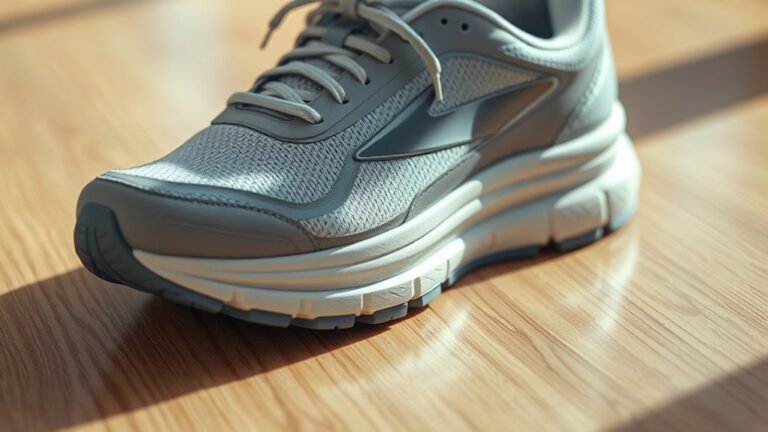
Pick one up and it feels lighter than it looks. The stack height is tall, yet the midsole is narrow, so the shoe reads sleek in hand. The warp knit upper feels soft and slightly stretchy, which is a clear upgrade over the stiff woven mesh on version two.
Step in and the fit locks down quickly. The extended heel collar, sometimes called the elf ear, cradles the achilles. First impression: this feels like a shoe Hoka actually fixed rather than simply renamed.
Key Specs and Numbers
Here are the numbers that matter. Hoka lists a 5 mm drop, but independent lab testing using World Athletics measurement points recorded 9.5 mm. The higher figure matches how the shoe actually feels underfoot.
Stack height measures 42.9 mm in the heel and 33.4 mm in the forefoot. Both clear the super trainer threshold easily. Weight sits at 9.3 oz for men and roughly 8.6 oz for women in a US 9.


Last update on 2026-04-11 / Affiliate links / Images from Amazon Product Advertising API Some of the links on this website are affiliate links, which means that at no additional cost to you, I earn a commission if you click through and make a purchase. I only recommend products and services that I believe will add value to my readers. Thank you for your support!
The midsole uses two foams. The top layer is a generic PEBA compound measuring 32.5 AC on the durometer, which counts as soft and bouncy. The bottom layer is supercritical EVA at 41.6 AC, which is firmer and more durable.
Stiffness came in at 17.8N in a 30 degree bend test. That reading makes the Mach X 3 stiffer than several carbon plated racers. Torsional rigidity hit 20.4 Nm, which is very high. The shoe resists twisting, and that adds a sense of control at speed.
Midsole, Plate and Ride Feel
The layered midsole creates a split personality, and that is intentional. Your forefoot lands on soft PEBA. Your heel lands mostly on firmer EVA. The Pebax plate sits between them like a divider.
On the road this feels smooth rather than explosive. The plate works as a stabilizer more than a springboard. You get a gentle lift at toe off instead of a violent kick forward.
The rocker does a lot of quiet work. Hoka uses a long heel bevel and a high toe spring, so your foot rolls through the gait cycle without effort. Cadence stays easy to hold on tempo miles.


Last update on 2026-04-11 / Affiliate links / Images from Amazon Product Advertising API Some of the links on this website are affiliate links, which means that at no additional cost to you, I earn a commission if you click through and make a purchase. I only recommend products and services that I believe will add value to my readers. Thank you for your support!
Shock absorption measured 151 SA in the heel and 125 SA in the forefoot, both above average. Long runs feel protected. You will not bottom out at mile eighteen.
Cold weather performance impressed too. The foam lost only 15 percent of its softness in low temperatures, compared with a 23 percent average. Winter runners keep most of the bounce they paid for.
Top 3 Alternative for Hoka Mach X 3
No products found.
Saucony Endorphin Speed 5

- THIS MEN’S SHOE IS FOR: The Hyperion Max 3 is for runners focused on maximizing their training and...
- AIRY FIT: The upper locks down to provide security and speed, while its lightweight, breathable mesh...
- FAST IS FUN: DNA GOLD 100% PEBA cushioning is the lightest, softest, and highest energy-return foam...
Last update on 2026-09-24 / Affiliate links / Images from Amazon Product Advertising API Some of the links on this website are affiliate links, which means that at no additional cost to you, I earn a commission if you click through and make a purchase. I only recommend products and services that I believe will add value to my readers. Thank you for your support!
Brooks Hyperion Max 3

- Textile, Synthetic
- Polyurethane
Last update on 2026-09-24 / Affiliate links / Images from Amazon Product Advertising API Some of the links on this website are affiliate links, which means that at no additional cost to you, I earn a commission if you click through and make a purchase. I only recommend products and services that I believe will add value to my readers. Thank you for your support!
Hoka Mach 6
Upper, Fit and Sizing
The warp knit upper is the headline change. It replaces the woven mesh from version two and feels softer against the skin. Break in time is short, and the material dries quickly after sweaty efforts.
Fit runs snug. Lab tests recorded 91.6 mm of width and a 70.8 mm toebox, both under the average. Toe splay is limited, and that becomes noticeable past ninety minutes.
Toebox height is generous at 28.5 mm, so your toes can move up and down even when they cannot spread sideways. Narrow and medium feet report a locked in, secure ride. Wide feet report pressure.
Most testers call the shoe true to size, though a few found the midfoot tight. The lacing system includes an extra eyelet for a heel lock knot, and that works well.
The tongue is the weak spot. It is not gusseted, the edges feel unfinished, and it folds sideways if you rush. A simple gusset would have solved this at almost no cost.
Outsole Grip and Durability
The outsole carries over from version two, and that turned out fine. Wet concrete traction scored 0.58, up from 0.50 on the previous model. That number beats most competitors.
Grip holds in rain, on painted crosswalks, and on damp tracks. You can run a confident workout in bad weather without shortening your stride.
Durability looks strong. A Dremel abrasion test removed only 0.8 mm of rubber against a 1.1 mm average. Rubber thickness measures 2.5 mm, which is enough for heavy mileage.
Coverage is not complete. Exposed foam sits in several zones, and small cutouts can trap pebbles on gravel or packed dirt. Keep this shoe on roads, tracks, and treadmills.
The upper is the durability concern, not the sole. Toebox abrasion resistance scored 2 out of 5. Runners who drag their toes may see wear before the midsole gives up. Heel padding scored a much better 4 out of 5.
Where the Mach X 3 Falls Short
Honest reviews list the bad parts, so here they are. The heel energy return of 58.9 percent is disappointing at this price. Heel strikers land on EVA and miss most of the PEBA bounce.
Weight went the wrong way. The jump from 8.7 oz to 9.3 oz came from added upper structure. That puts the Mach X 3 at the upper limit for a super trainer.
The narrow fit rules out a real chunk of the running population. No wide sizing exists in most markets.
Breathability rates 3 out of 5. Hot summer long runs will feel warm inside this upper. It is acceptable, not excellent.
The interior lacks plushness. Among tested super trainers, this one ranks near the bottom for step in comfort. The insole also feels cheap and thin for a $190 shoe.
Stability is limited. The midsole is narrow at 115.4 mm in the forefoot and 89.1 mm in the heel. Overpronators should skip it entirely.
Hoka Mach X 3 vs Hoka Mach X 2
The midsole is identical. The plate is identical. The outsole is identical. Everything that changed lives above the foam.
Version two used a woven mesh upper with an unusual heel collar. That collar rubbed achilles tendons and caused blisters for a large number of runners. Getting the shoe on was a wrestling match.
Version three fixes both issues. The padded, flared collar removes the rubbing. Entry is easy now. Heel counter stiffness dropped to a comfortable 2 out of 5.
The cost is weight. Version three carries about 0.6 oz more per shoe. Some runners will not notice. Faster runners chasing marginal gains will.
The verdict is simple. If version two fit you well and you loved it, there is no strong reason to upgrade. If version two hurt your heels, version three is the shoe you wanted all along.
Hoka Mach X 3 vs Hoka Mach 6
These two shoes serve different jobs despite sharing a name. The Mach 6 is a lighter daily trainer with no plate and less foam. It costs less, around $150 at retail.
The Mach 6 feels nimbler on easy days. It flexes naturally and lets your foot do more of the work. Runners who dislike plates almost always prefer it.
The Mach X 3 adds stack height, a Pebax plate, and a firmer bottom layer. That combination pushes the pace range higher. Tempo miles and progression runs feel more supported.
Recovery running favors the Mach 6. Long efforts past ninety minutes favor the Mach X 3 because of the extra protection.
Pick the Mach 6 for mileage and the Mach X 3 for workouts. Runners who own both report the cleanest rotation, though plenty of people manage with the Mach X 3 alone.
Pros and Cons of the Hoka Mach X 3
Pros
- The redesigned heel collar removes the blister problem that ruined version two for many runners.
- Forefoot energy return of 69.3 percent delivers genuine bounce during tempo and threshold work.
- Wet traction scored 0.58, which is well above average and reliable in rain.
- Outsole durability is excellent, with only 0.8 mm of wear in abrasion testing.
- The rocker geometry keeps your cadence smooth across a wide pace range.
- Foam holds 85 percent of its softness in cold weather, so winter performance stays consistent.
- Two reflective overlays on the forefoot add visibility for early and late runs.
Cons
- The toebox measures just 70.8 mm, which is too narrow for medium and wide feet.
- Heel energy return of 58.9 percent underwhelms for a $190 shoe.
- Weight climbed to 9.3 oz, reducing the shoe’s speed appeal.
- The tongue has no gusset and folds during lacing.
- Breathability rates only 3 out of 5 and feels warm in summer heat.
- The narrow midsole offers limited stability for anyone who needs support.
- The insole quality feels below the price point.
Who Should Buy the Hoka Mach X 3?

- JACQUARD KNIT UPPER
- Lining Textile
Last update on 2026-09-24 / Affiliate links / Images from Amazon Product Advertising API Some of the links on this website are affiliate links, which means that at no additional cost to you, I earn a commission if you click through and make a purchase. I only recommend products and services that I believe will add value to my readers. Thank you for your support!
Buy this shoe if you have narrow or medium feet. The lockdown feels excellent on that foot shape, and the fit becomes an advantage instead of a problem.
Forefoot and midfoot strikers get the most value. You land on the PEBA layer, so you collect the bounce Hoka built into the top of the midsole. Heel strikers get a firmer, flatter experience.
Runners who already like the Mach 6 but want more cushioning and a plate will feel at home immediately. The geometry is familiar and the transition is quick.
One shoe rotation runners should consider this carefully. The Mach X 3 handles easy runs, long runs, and tempo work competently. It is not the best at any single one, but it never fails outright.
Skip it if you have wide feet, need stability, or race often at very fast paces. Skip it too if plush interior comfort ranks high on your list.
Price and Value in 2026
The Mach X 3 lists at $190. Average running shoe pricing sits near $155, so this is a premium purchase. Discounts now appear regularly, with some sizes dropping toward $180 or lower at various retailers.
Compared with rivals, the pricing is fair rather than generous. The Nike Pegasus Premium costs more. The Saucony Endorphin Speed 5 and Adidas Adizero EVO SL cost less and return more energy in lab testing.
Durability improves the value case. The outsole should last many hundreds of miles, and the PEBA foam resists compression well. You are unlikely to retire this shoe early for midsole failure.
Watch for sales. Super trainers from the previous season often drop 30 to 45 percent once a new model appears. Version two frequently sells far below retail now, and the midsole is the same.
At full price, the Mach X 3 is a reasonable buy for the right foot. At $140 it becomes a strong one.
Final Verdict
The Hoka Mach X 3 earns a recommendation with conditions attached. Hoka identified the biggest complaint about version two and solved it properly. The heel works now, entry is easy, and the upper feels good.
What Hoka did not do is push the shoe forward. The midsole, plate, and outsole carried over unchanged. In a category moving quickly, standing still can feel like falling behind. Some testers found the shoe exciting. Others found it flat next to newer rivals.
Your foot shape decides this purchase more than anything else. Narrow footed forefoot strikers will love the ride. Wide footed heel strikers will feel every compromise.
Score: 8 out of 10 for the right runner, 6 out of 10 for everyone else.
Try it on before buying if you can. Sizing runs true, but width does not suit everybody, and no amount of good foam fixes a cramped toebox.
Frequently Asked Questions
Is the Hoka Mach X 3 true to size?
Most runners find it true to size in length. Width is the issue, not length. The shoe measures narrower than average at both the midfoot and the toebox, so runners with wide feet often feel pressure on the sides.
Can I race a marathon in the Mach X 3?
Yes, though it is not the fastest option. The cushioning and plate handle marathon distance comfortably, and the traction holds up in bad weather. Dedicated racing shoes weigh less and return more energy, so expect a slightly slower time.
How many miles will the Mach X 3 last?
Expect 400 to 500 miles based on durability testing. The outsole showed only 0.8 mm of wear in abrasion tests, and the foam resists compression well. The knit upper is the weakest component and may show wear sooner.
Did the Mach X 3 fix the heel blister problem?
Yes. Hoka removed the collar design that caused rubbing on the Mach X 2 and replaced it with a padded collar that flares away from the achilles. Testers who suffered blisters in version two report no issues in version three.
Is the Mach X 3 good for heel strikers?
It works, but heel strikers miss most of the bounce. The heel zone sits mostly on firmer EVA foam, which returned 58.9 percent energy in testing. Forefoot and midfoot strikers access the softer PEBA layer and get a livelier ride.

Mia Smith is the founder of Shoe Storyteller, a blog that celebrates the art and stories behind shoes. With a passion for fashion and a flair for storytelling, Mia brings a unique perspective to the world of footwear.